High-Efficiency Energy Storage & Portable Power Solutions
Explore our wholesale-ready bidirectional and hybrid solar inverter setups, LiFePO4 battery banks, and all-in-one power solutions engineered for global commercial and residential applications.
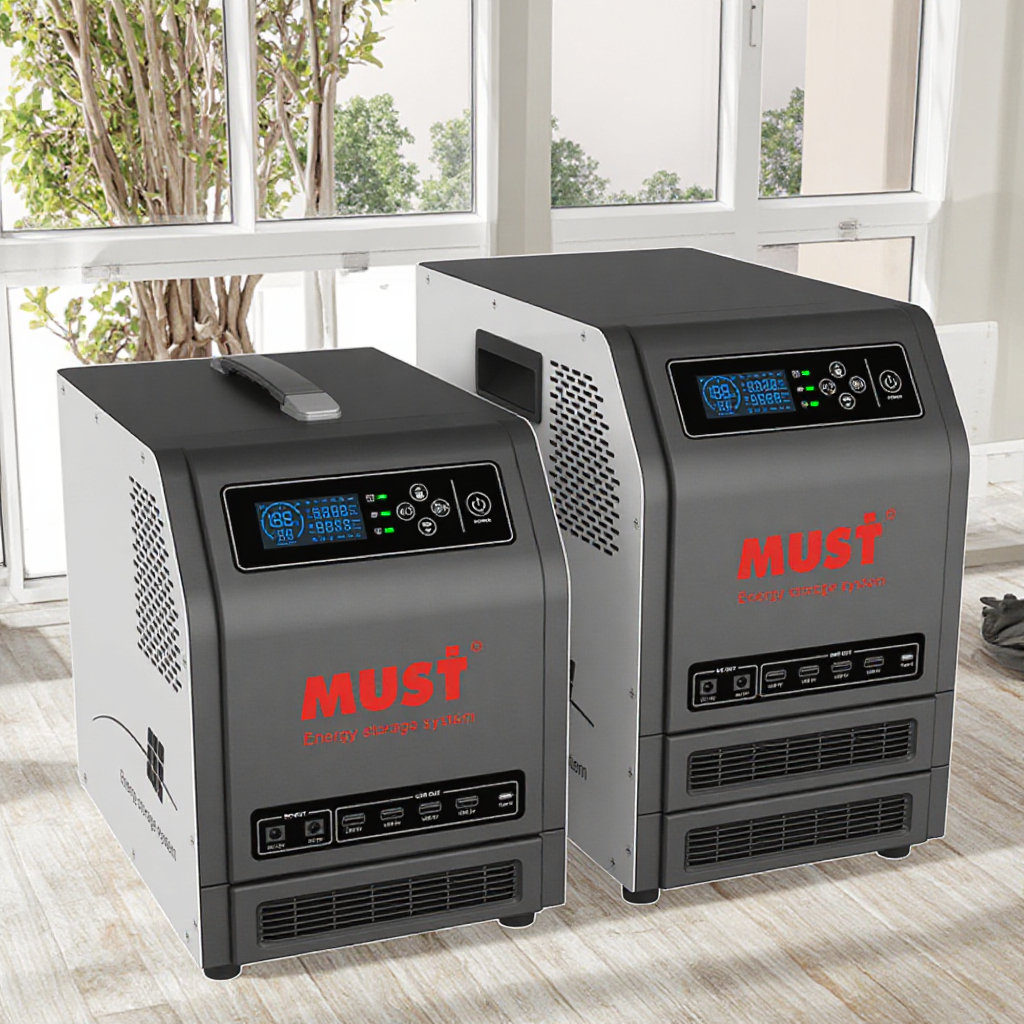
Portable Power Station 1KW 2KW 3KW Generador Solar Portatil With Built-in LiFePO4 Battery MPPT Controller Home Office Use
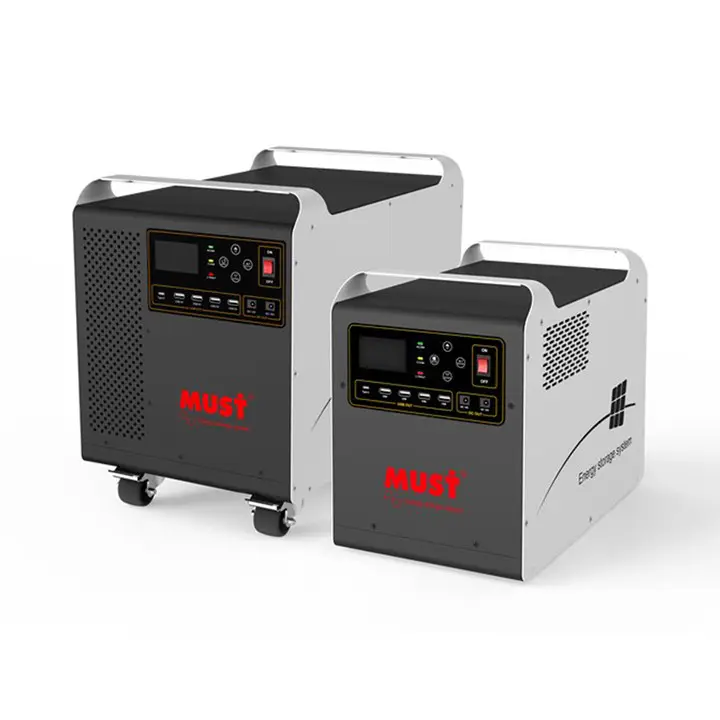
Best price 1000W Portable Power Station for Camping Emergency Solar Generator Solar Charge Equipment for Car
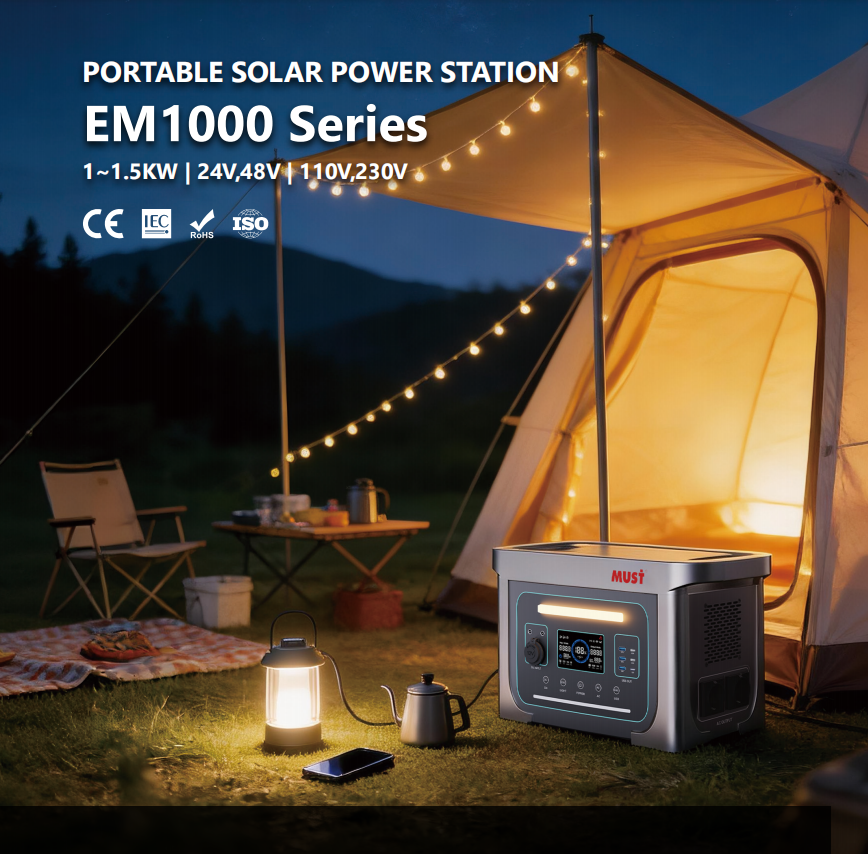
MUST Portable Power Station & All in One Product-EM1000S
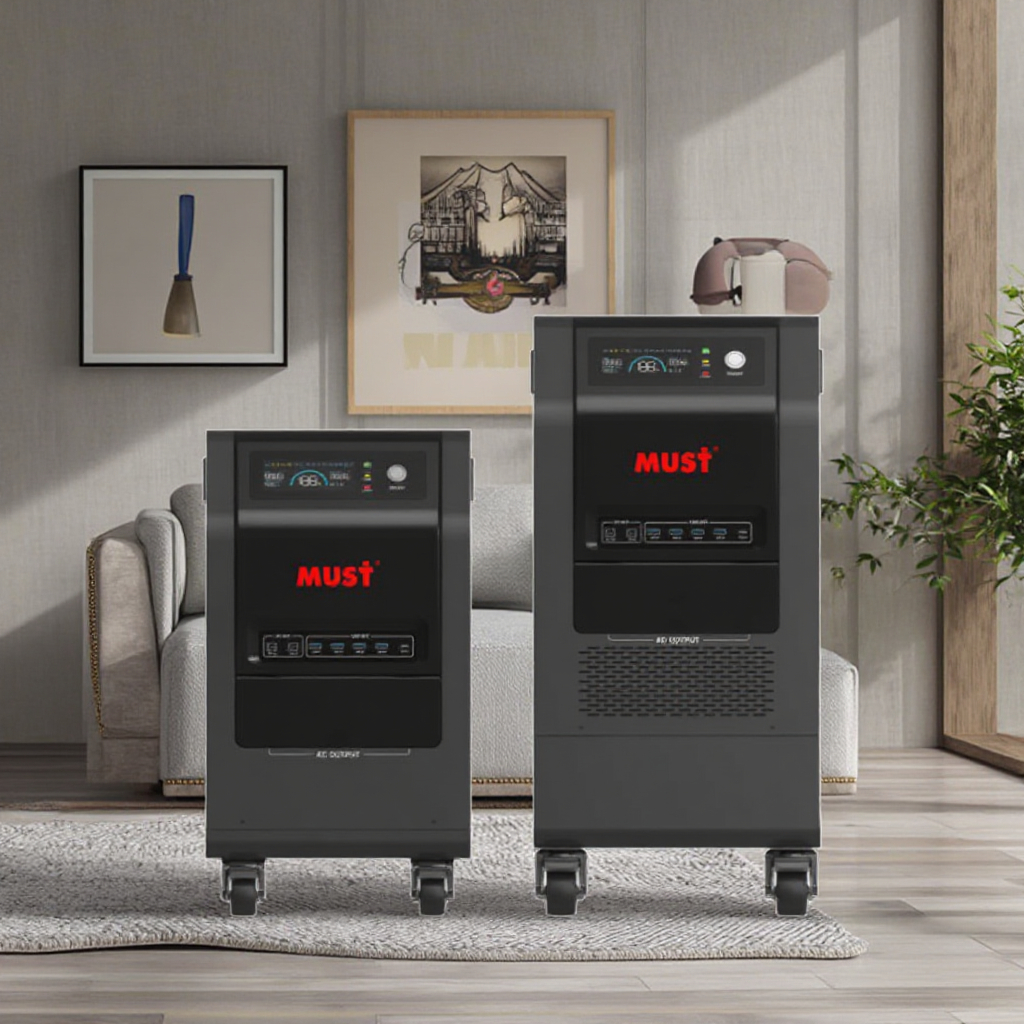
3000Wh 5000W HPortable Power Station Wholesale 220V Outdoor 5Wh Power Supply Solar Panel Generador Solar Portatil

MUST EU Stock 100Ah/200Ah Solar Lithium Battery 48V Solar Lithium Battery for Home Storage Solar Lithium Battery with BMS
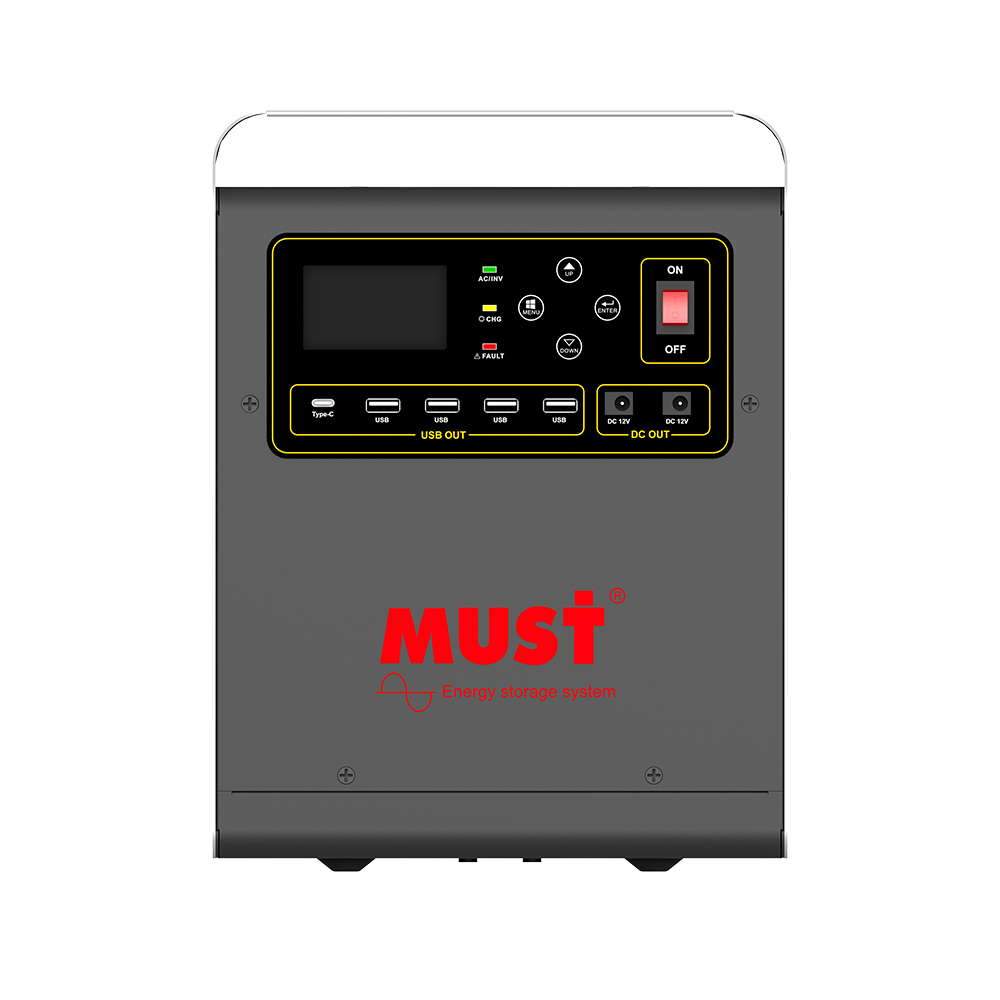
For MUST 1KW Portable Solar Power Station with 1KWH LifePO4 Battery Wireless Charging MPPT Controller for Ukraine
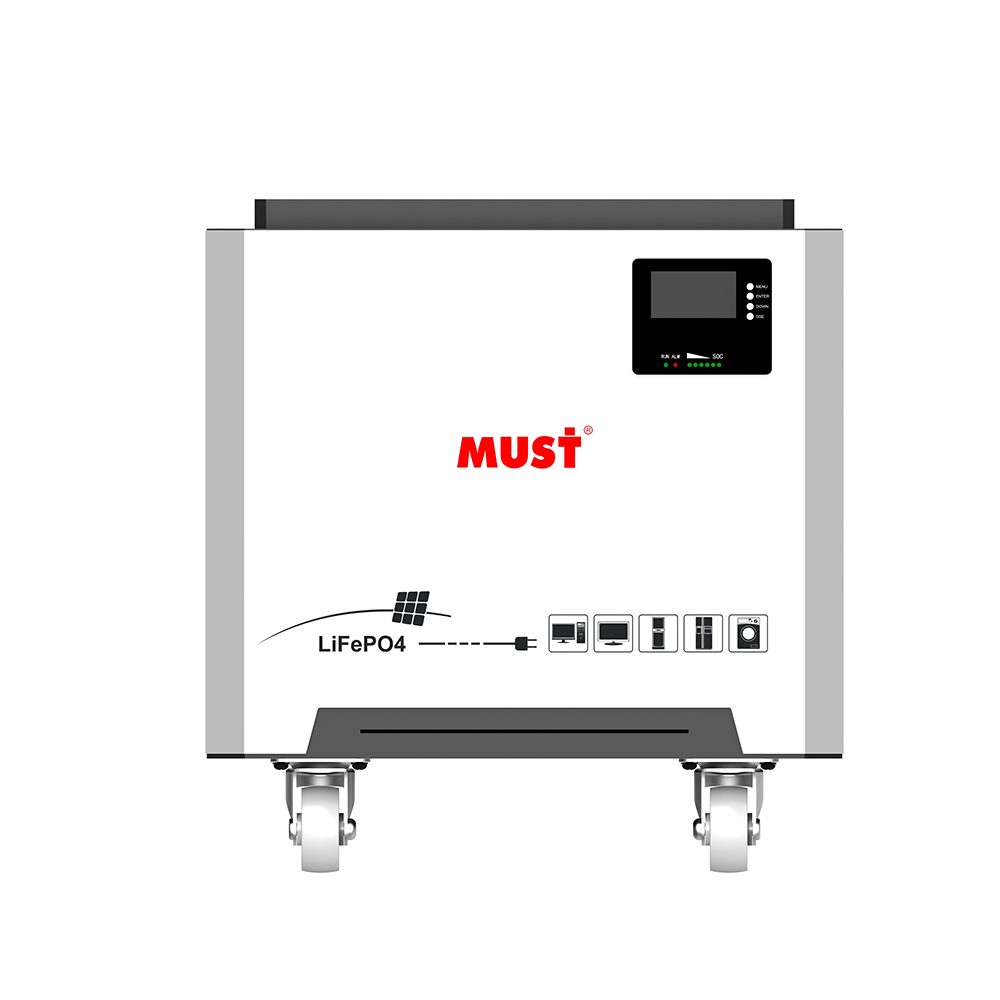
48V 200Ah 10KWh Lifepo4 for Powerwall Lithium Battery for Home Energy Storage with CAN Communication Port
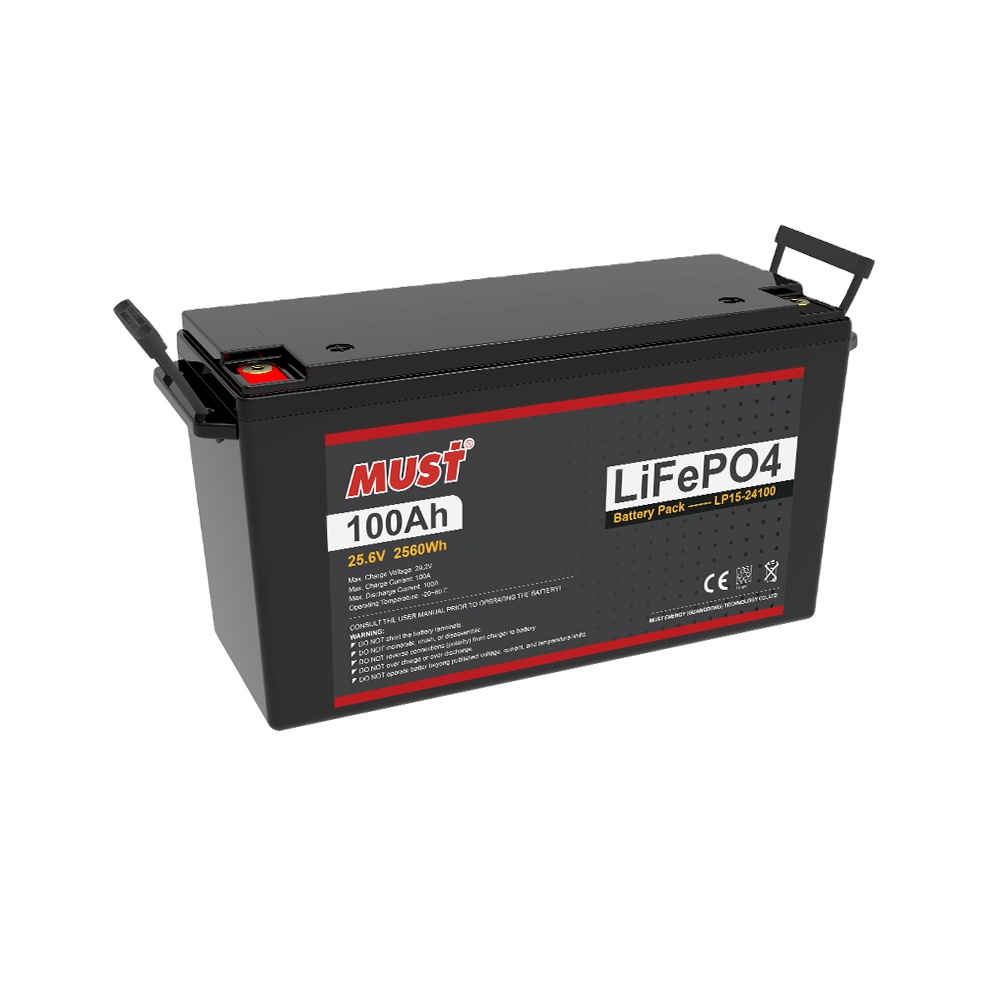
For Brand Lifepo4 Lithium Ion Battery 25.6V 2560Wh BMS 5-Year Warranty 6000 Cycles Model LP15-24100 for Home Storage System
Enterprise Technical Foundation: CJH Energy Tech Co., Ltd.
A specialized original equipment manufacturer (OEM) and original design manufacturer (ODM) with over 20 years of expertise in high-power bidirectional conversion systems, MPPT charge controllers, and LiFePO4 battery integration.
ISO & TÜV Verified Infrastructure
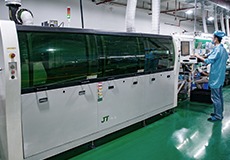
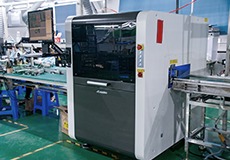
Our complete production facility operates under strict management systems meeting ISO 9001, ISO 14001, and ISO 45001 standards. Assessed on-site by TÜV Rheinland, our modern SMT and aging lines assure precision, traceably verified manufacturing.
- Full traceability across component lots
- In-house burn-in & automated thermal testing
- Zero-defect target QA/QC protocols
Invention Patents & R&D Excellence
Backed by 80+ senior electrical engineers, CJH Energy holds multiple national invention patents in high-frequency bidirectional matrix topologies, soft-switching inverter circuits, and intelligent battery management algorithms.
- Custom CAN/RS485/Modbus BMS protocols
- Firmware tuning for local grid dynamics
- Custom LCD/LED UI design & branding
Global Operations & Regional Hubs
To reduce supply chain friction for regional distributors and EPC partners, CJH Energy maintains active subsidiary offices and stocking facilities across key international markets.
- Poland (Warsaw): European logistics & technical hub
- South Africa & Egypt: Regional service centers
- Dubai (UAE): Middle East distribution hub

Future Procurement Trends in Bidirectional Inverters & Storage (2025–2030)
A strategic procurement reference analyzing technological shift, energy transition compliance, grid-forming requirements, and total cost of ownership (TCO) benchmarks for commercial buyers.
1. Paradigm Shift: From Traditional Unidirectional to Bidirectional Matrix Topologies
The global renewable energy market is experiencing a profound architectural shift. Legacy solar power installations relied almost exclusively on unidirectional string or off-grid inverters that converted Photovoltaic (PV) Direct Current (DC) into Alternating Current (AC) for local consumption. However, grid instability, fluctuating feed-in tariffs, and the rise of decentralized Energy Storage Systems (ESS) have rendered unidirectional systems inadequate.
Modern commercial procurement strategies prioritize Bidirectional AC/DC and DC/DC conversion topologies. A bidirectional inverter operates seamlessly in two quadrants: reversing current flow to charge battery storage units from either solar array surplus or off-peak utility grid energy, and instantaneously discharging battery storage back to home or commercial AC loads during grid outages or high-tariff peak windows.
2. Integration of Wide Bandgap (WBG) Semiconductors: SiC & GaN Switches
Efficiency standards are being aggressively elevated across Europe, North America, and Australia. Procurement teams must evaluate the underlying switching devices within inverter power stages. Traditional Silicon (Si) IGBTs are rapidly losing ground to Wide Bandgap (WBG) semiconductors, specifically Silicon Carbide (SiC) MOSFETs and Gallium Nitride (GaN) HEMTs.
By transitioning to SiC power switches, OEM bidirectional inverters achieve key performance leaps:
- Thermal Loss Reduction: Switching losses decrease by up to 60%, raising overall round-trip conversion efficiency (RTE) to peak figures above 97.5%.
- Higher Switching Frequencies: Operating switching frequencies shift from standard 16kHz up to 100kHz+, dramatically reducing the physical volume and weight of passive inductive and capacitive components.
- Extended Equipment Lifespan: Lower internal heat generation decreases stress on electrolyte capacitors and insulation materials, boosting mean time between failures (MTBF).
3. Architectural Comparison: Legacy Off-Grid Inverter vs. Modern Bidirectional Hybrid Systems
| Technical Dimension | Traditional Stand-Alone Inverter | Bidirectional Hybrid Inverter (OEM Grade) | Next-Gen Grid-Forming Bidirectional |
|---|---|---|---|
| Current Flow Direction | Unidirectional (DC to AC) | Fully Bidirectional (AC to DC / DC to AC) | Multi-Port Bidirectional (PV + Battery + Grid + Generator) |
| UPS Switching Time | 20ms to 50ms (Interrupted) | < 10ms (Seamless Transfer) | < 4ms (Zero-Interruption / Micro-Grid Ready) |
| Battery Coupling Window | Fixed Low-Voltage (12V / 24V / 48V) | Wide Voltage (48V LFP or High Voltage 150V–500V) | Ultra-Wide Dynamic High-Voltage Matrix (up to 800V) |
| Grid Interaction Protocols | Passive Off-Grid / Basic Bypass | Self-Consumption, Peak Shaving, Zero-Export | V2G (Vehicle-to-Grid), Grid-Forming Inertia, Frequency Control |
| Semiconductor Switching | Silicon (Si) IGBT / Standard MOSFET | SiC MOSFET + Hybrid Topology | Full SiC / GaN Matrix Switches |
| Regulatory Standard Compliance | Basic CE / Low Voltage Directive | CE, UN38.3, IEC 62109-1/-2, EN 50549-1 | IEEE 1547-2018, UL 1741 SB, VDE-AR-N 4105 |
4. Compliance, Grid Codes & EV Infrastructure (V2G/V2H) Integration
In wholesale procurement, regulatory alignment dictates market access. Modern bidirectional inverter manufacturing must accommodate shifting national grid standards. In Europe, grid interconnection rules such as EN 50549-1 and VDE-AR-N 4105 mandate active frequency response, reactive power control (Cos φ adjusting), and low-voltage ride-through (LVRT) capabilities.
Furthermore, as Electric Vehicles (EVs) become widespread, bidirectional inverters are converging with EV charger infrastructure. Future-proof procurement requires units compatible with Vehicle-to-Home (V2H) and Vehicle-to-Grid (V2G) protocols under ISO 15118 standards, enabling the EV battery pack to act as a secondary home or enterprise storage reserve.
Engineering Evolution in Bidirectional Inverter Topologies
A granular look at hardware architecture, thermal management, and firmware protocol handshakes engineered at CJH Energy’s R&D testing center.
Wide MPPT Tracking & High PV Input
CJH Energy’s bidirectional hybrid inverters feature dual or quad MPPT trackers with ultra-wide input voltage windows (120V DC up to 500V DC). This architecture permits longer string layouts, minimizing rooftop combiner box costs and maximizing power harvest in low-irradiance ambient conditions.
Custom BMS Protocol & Multi-Brand Handshake
A persistent challenge for ESS wholesalers is battery-inverter interoperability. Our dedicated software team implements custom RS485/CAN communication protocol mapping directly inside the inverter MCU. We offer ready-to-use handshake profiles for major LiFePO4 battery brands, as well as OEM battery custom register programming.
Advanced Thermal Dissipation & Enclosure Protection
Engineered for harsh operating climates in Africa, the Middle East, and Southeast Asia, CJH inverters utilize isolated airflow channels combined with heavy-duty anodized aluminum heatsinks. IP65/IP66 weather-sealed enclosures protect internal power electronics against dust ingress, salt spray, and high relative humidity.
Frequently Asked Questions for Inverter Wholesale & Custom Manufacturing
Essential operational, technical, and logistics answers for procurement officers, brand managers, and import directors.
Is CJH Energy a direct manufacturer or a trading agent?
CJH Energy (Guangdong) Tech Co., Ltd. is a custom original equipment manufacturer operating its own 31,056 m² manufacturing complex. The facility houses automated SMT insertion lines, transformer winding stations, lithium battery assembly workshops, and an extensive aging test center. Our facility is verified on-site by TÜV Rheinland.
What specific OEM/ODM customization services can CJH provide?
We provide full-scope customization: outer metal panel/chassis design, silk-screen logos, custom color schemes, custom LCD display screen text and UI menus, dedicated packaging boxes, specialized firmware voltage thresholds, and pre-programmed CAN/RS485 communication protocols matching your proprietary battery BMS software.
Which factory certifications and international product test reports do you hold?
Our management systems maintain ISO 9001, ISO 14001, and ISO 45001 accreditations. At the product level, our inverters and LiFePO4 batteries hold CE, IEC 62109-1/-2, IEC 62619, UN38.3, and MSDS test certifications. Model-specific test reports can be supplied by our sales engineers prior to sample shipment.
What is CJH Energy's annual production capacity and lead time?
Our annual manufacturing capacity exceeds 600,000 units across 10 main categories including bidirectional inverters, off-grid pure sine wave units, MPPT controllers, and LiFePO4 storage packs. Standard OEM batch production lead time ranges from 15 to 25 days depending on component customization depth.
Do you offer overseas local technical support and stocking?
Yes. CJH Energy has set up regional subsidiary branches and stock hubs in Warsaw (Poland), Johannesburg (South Africa), Dubai (UAE), and Cairo (Egypt). European and African distributors benefit from quick-dispatch inventory options, local warranty claim handling, and direct engineer support in local time zones.
How do I select between 12V, 24V, 48V, and High-Voltage (HV) inverter architectures?
As a rule of thumb: 12V DC systems are ideal for light mobile loads under 1kW; 24V DC systems suit residential systems between 1kW and 3kW; 48V DC systems are the global baseline standard for 3kW to 12kW home storage (minimizing current losses and cable sizes); while High-Voltage (150V-500V DC) systems are ideal for large multi-phase commercial projects to maximize round-trip conversion efficiency.
Partner with a Verified Tier-1 OEM/ODM Inverter Factory
Whether you require wholesale container shipments, custom brand engineering, or local warehouse supply in Europe or Africa, our engineering team is ready to evaluate your specifications.
