Engineering Precision in OEM Solar Charge Management
Navigating the global off-grid solar market requires direct factory partnerships that deliver rigorous thermal stability, customizable firmware algorithms, and robust micro-grid integration.
Executive Overview: The Role of PWM Technology in Modern Off-Grid Solar Networks
Pulse Width Modulation (PWM) solar charge controllers remain the bedrock of cost-effective, high-reliability solar energy systems across residential, commercial, telecommunication, and agricultural applications. While Maximum Power Point Tracking (MPPT) technology has dominated high-voltage utility-scale setups, engineered 3-stage and 4-stage PWM charge controllers continue to outperform in 12V, 24V, and 48V small-to-medium off-grid solar deployments due to their structural durability, zero electromagnetic interference (EMI), and superior price-to-performance ratio.
As a leading original equipment manufacturer (OEM) and custom developer with over 20 years of expertise in power electronics engineering, our factory facility addresses the evolving demands of solar distributors, EPC contractors, and global brand owners. We integrate advanced MOSFET switching architectures, intelligent multi-chemistry battery charging algorithms (supporting LiFePO4, Gel, AGM, and Solid-State batteries), and real-time RS485/CAN communication protocols into custom OEM hardware solutions.
Featured Solar Power Systems & Storage Products
Explore our top-tier OEM and factory-direct energy storage systems, hybrid inverters, and lithium battery configurations.

MUST Factory All in One HBP19 Series Wall Mounted Lifepo4 Battery System 3.5kw 5.5kw
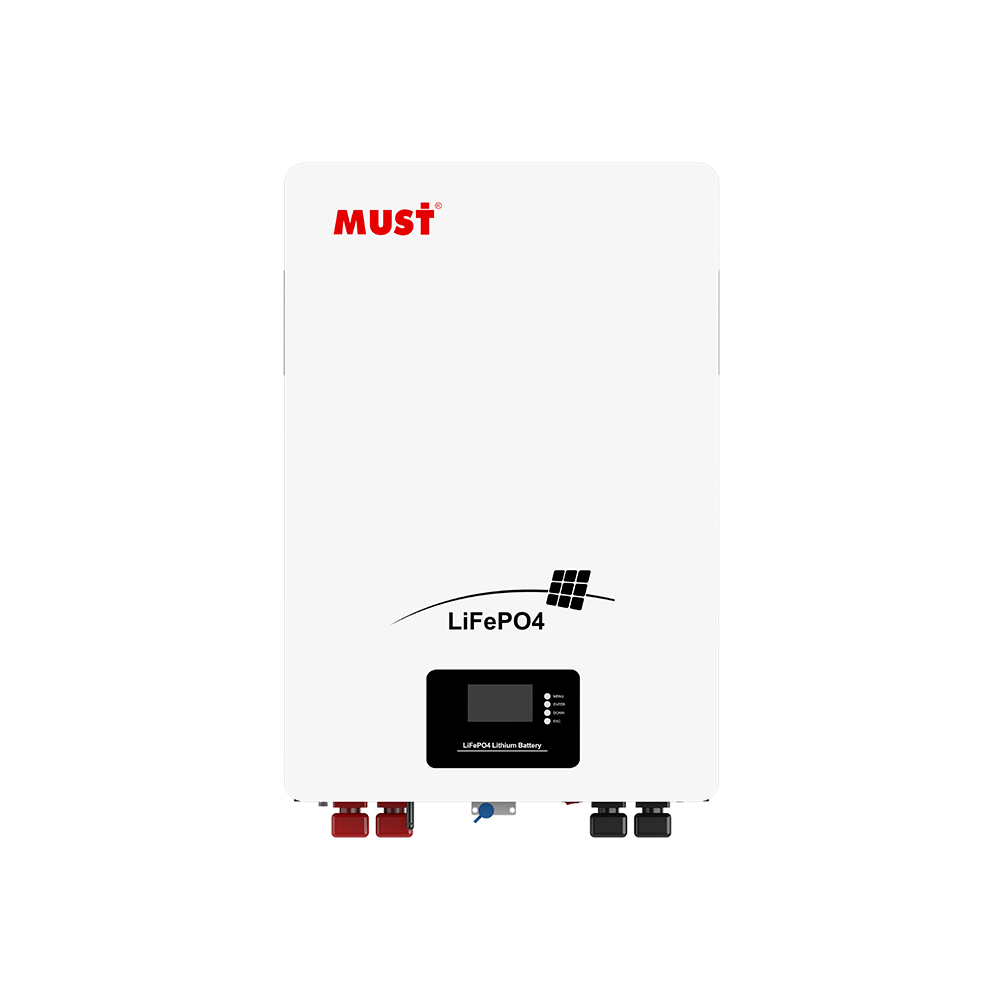
LP16-48200 Solid State LiFePO4 Battery System 6000 Cycles
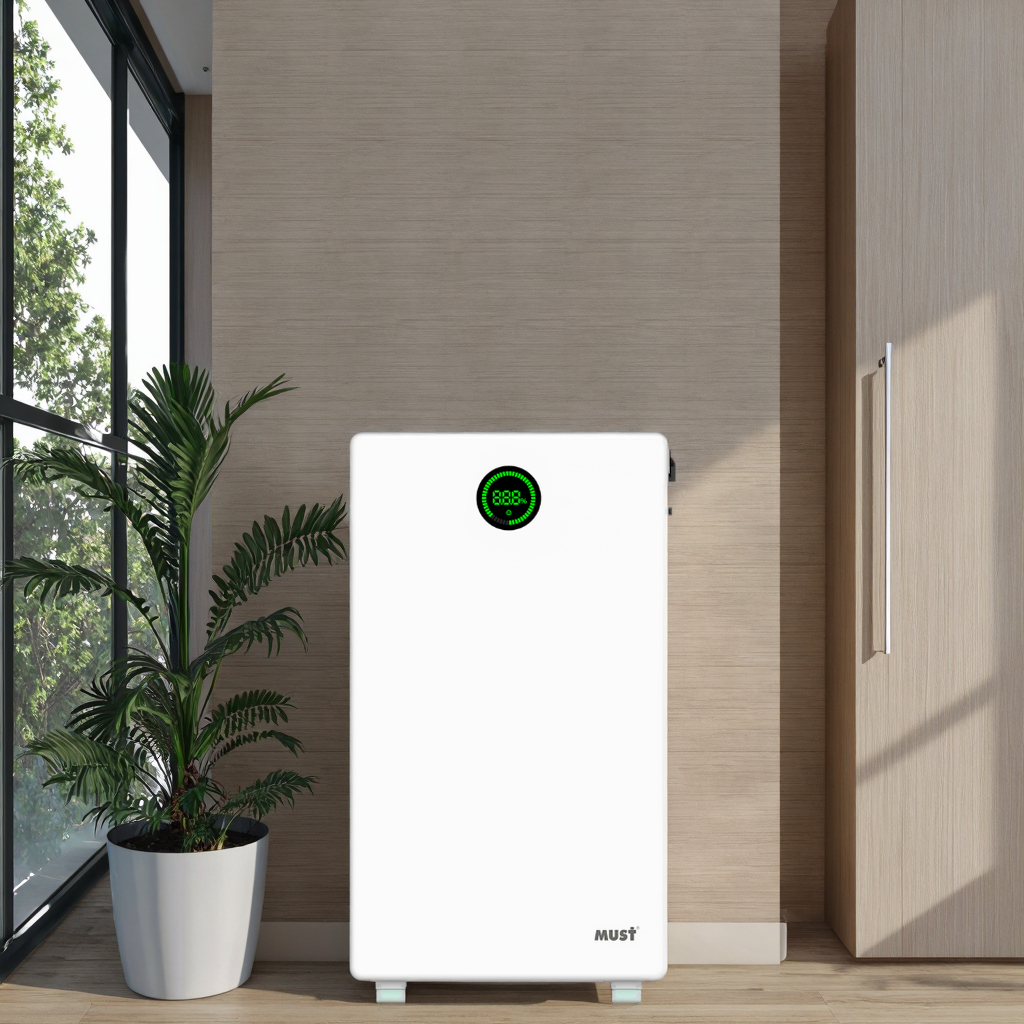
Poland 48V 200Ah 10KWh Wall-Mounted Lifepo4 Lithium Battery IP65
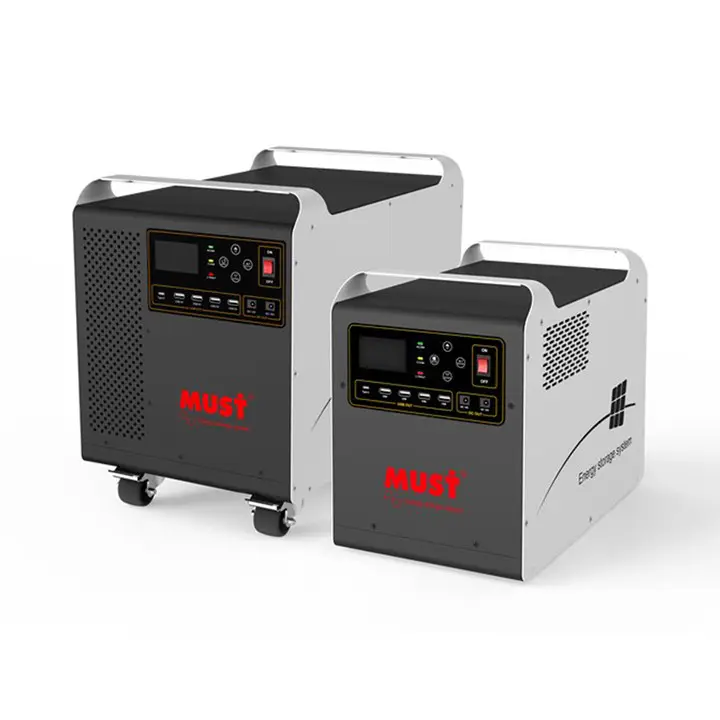
1000W Portable Power Station Emergency Solar Generator
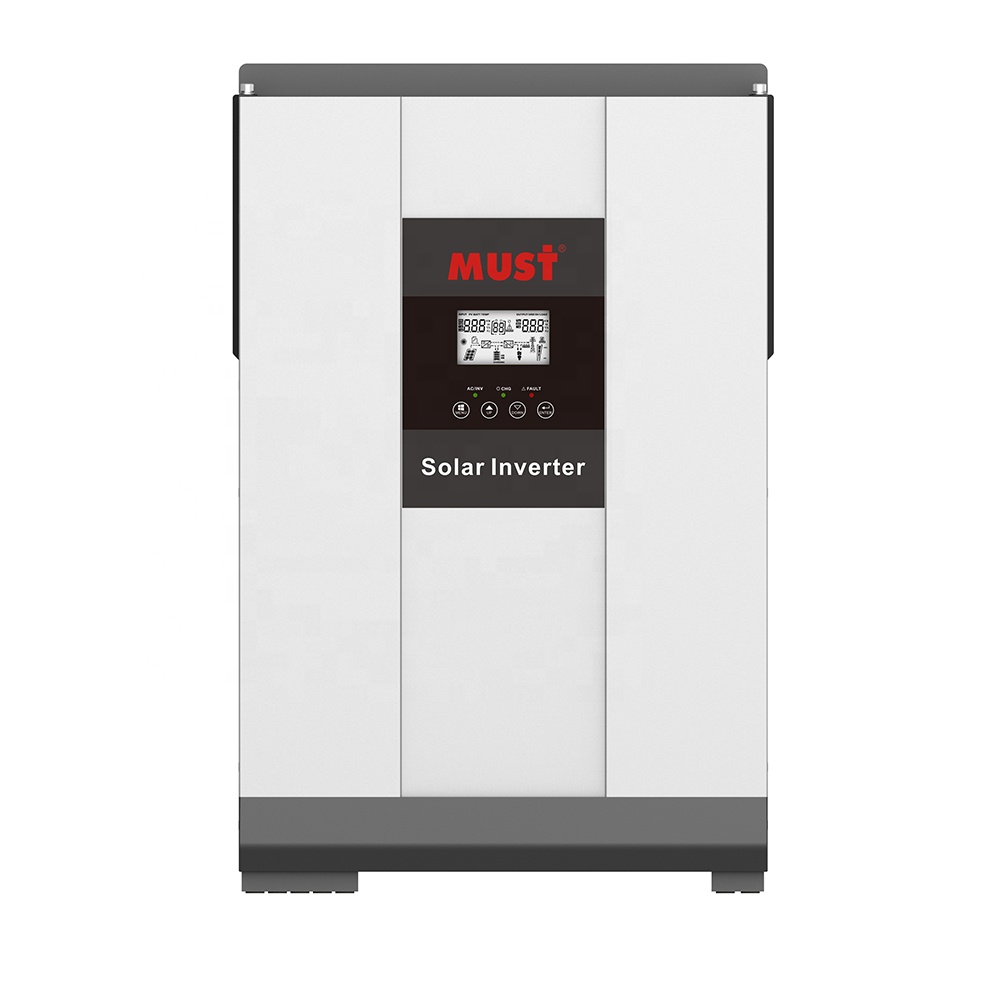
MUST Hybrid On Grid Solar Inverter 3Kw 4Kw 5Kw with Charge Controller
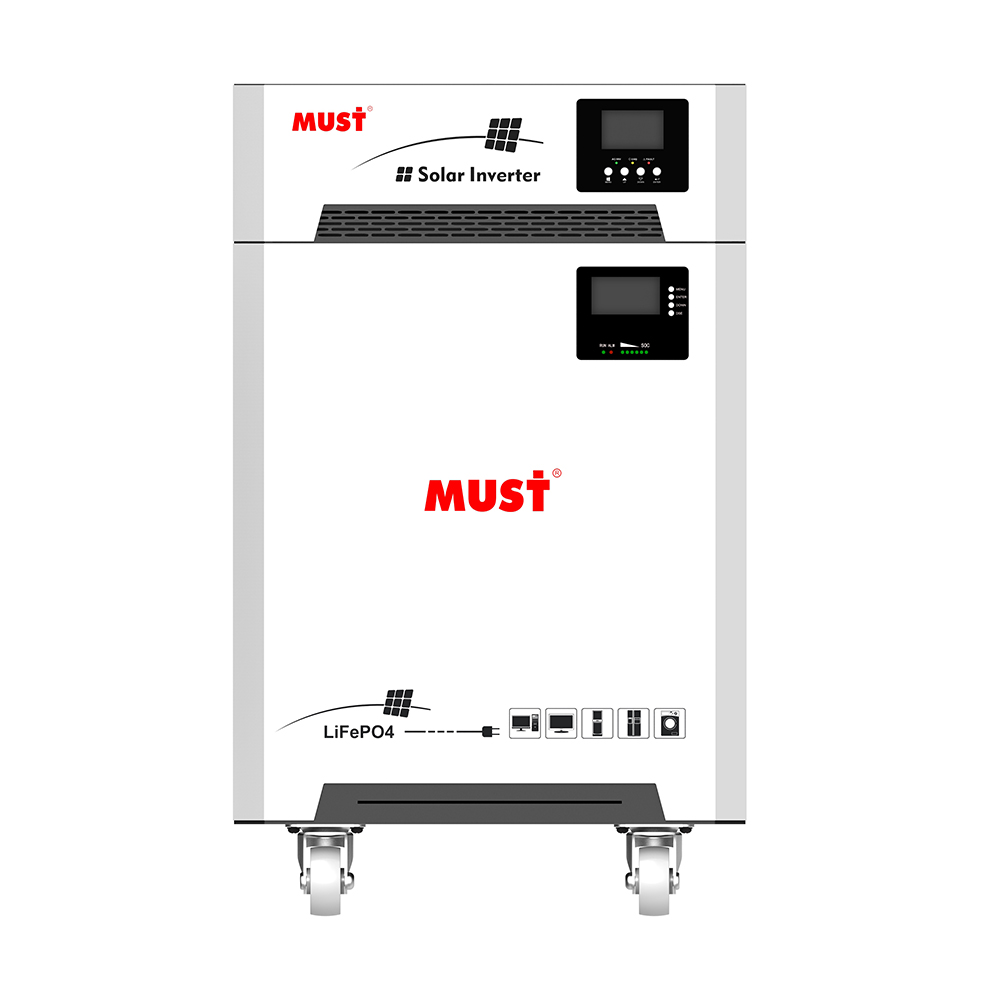
48V 250Ah LiFePO4 Lithium Battery System with 5KW Inverter
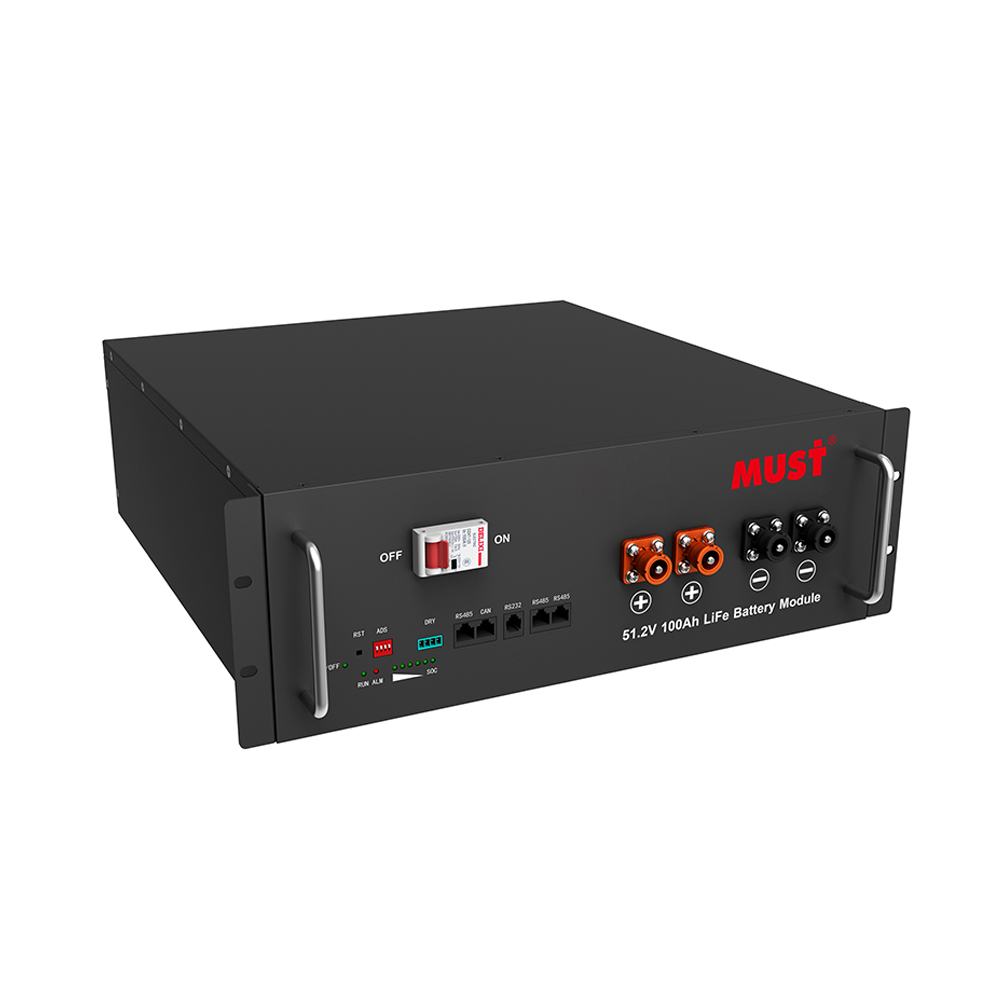
IP65 48V 100Ah 5KWh Lifepo4 Lithium Home Battery CAN Port

Must Rechargeable 10kW LiFePO4 Lithium Battery 48V Pack
Understanding Solar PWM Charge Controller Circuitry & Efficiency
An authoritative comparative guide for solar equipment importers, system integrators, and OEM brand engineers.
1. The Mechanics of Pulse Width Modulation (PWM) Solar Charging
A Pulse Width Modulation (PWM) solar charge controller operates as a solid-state switch between the photovoltaic (PV) solar array and the battery bank. Unlike basic ON/OFF shunt regulators of past decades, modern OEM PWM controllers dynamically adjust the duty cycle of high-frequency Power MOSFETs (Metal-Oxide-Semiconductor Field-Effect Transistors) to taper battery charging currents as full capacity is reached.
When a battery undergoes charging via PWM topology, it transitions through three primary electrical stages:
- Bulk Charge Stage: The MOSFET switches remain continuously closed, delivering 100% of available solar array current directly to the battery until the pre-programmed boost voltage target is reached.
- Absorption (PWM) Stage: Upon reaching the boost voltage threshold, the controller's microcontroller unit (MCU) initiates pulse width modulation. The duty cycle rapidly fluctuates to hold the battery voltage constant while slowly reducing current, preventing battery overheating and minimizing gas generation in sealed lead-acid or electrolyte depletion in Gel batteries.
- Float Charge Stage: Once the battery approaches full charge state, the controller lowers the output voltage to a trickle float level, counteracting self-discharge while preserving long-term battery cell health.
2. Comparative Matrix: PWM vs. MPPT Technology for OEM Procurement
Choosing between PWM and MPPT charge controllers for an OEM product line depends on system voltage matching, environmental conditions, and budget constraints:
| Engineering Feature | PWM Solar Controller Topology | MPPT Solar Controller Topology |
|---|---|---|
| Operating Principle | Direct electronic connection via modulated duty cycle | DC-to-DC converter adjusting input voltage to maximum power point |
| Array Voltage Match | PV array Vmp must closely match Battery nominal voltage (e.g., 18V PV to 12V Battery) | PV Vmp can be substantially higher than battery voltage (e.g., 100V VOC to 12V Battery) |
| Energy Efficiency Range | 75% – 80% (Highly efficient when solar panel temperature is high) | 92% – 98% (Higher harvest in cold climates or mismatched voltage) |
| System Power Suitability | Optimal for systems under 500W (12V / 24V / 48V small off-grid setups) | Optimal for medium-to-large arrays exceeding 600W to multi-megawatt systems |
| Thermal & EMI Noise | Near zero EMI, low heat dissipation, highly passive cooling reliable | Higher thermal footprint due to inductor coil switching; requires heatsink/fan |
| BOM & Procurement Cost | Significantly lower manufacturing and unit cost (40%-60% savings vs MPPT) | Higher cost due to complex toroidal transformers, microprocessors, and capacitors |
3. Thermal Management and Protection Circuitry in OEM Engineering
Industrial OEM PWM charge controller manufacturing requires rigorous component selection. Standard failure points in low-grade controllers usually stems from thermal stress across the MOSFET switches during prolonged peak current conduction. Superior OEM designs employ ultra-low Rds(on) power MOSFETs paired with heavy-duty extruded aluminum heatsinks and flame-retardant ABS/PC enclosures.
Furthermore, enterprise-grade PWM controllers integrate multi-layer electronic protections:
Reverse Polarity Protection
Solid-state MOSFET reverse polarity circuit preventing damage if PV panels or batteries are connected backward during installation.
Over-Current & Short Circuit
Automated electronic latching mechanism that trips under short circuit loads without blowing mechanical fuses.
Temperature Compensation
External NTC sensor interface dynamically shifting charging voltage limits (-3mV/°C/cell) based on ambient heat.
Night Current Isolation
Eliminates reverse current leakage from the battery back into solar modules during zero-irradiance night cycles.
Future Procurement Trends for OEM Solar PWM Controllers
Strategic market forces, evolving battery chemistries, and IoT integration are reshaping what B2B buyers expect from solar charge controller manufacturers.
Multi-Chemistry & LiFePO4 BMS Synchronization
Traditional PWM charge controllers were designed primarily for flooded lead-acid, AGM, and Gel batteries. The global transition toward Lithium Iron Phosphate (LiFePO4) storage demands OEM controllers with custom-programmable voltage cutoffs, zero-volt battery wake-up functions, and direct RS485/CAN communication links to Battery Management Systems (BMS).
IoT & Cloud-Connected Smart Telemetry
Importers and brand owners are moving away from offline display-only controllers. Modern OEM procurement mandates built-in Bluetooth mesh modules, Wi-Fi connectivity, or IoT cellular modems allowing end-users and commercial fleet operators to monitor real-time power yield, battery state-of-charge (SOC), and diagnostic alerts via custom iOS/Android applications.
Severe Weather Protection & IP65 Enclosures
With off-grid solar expanding into harsh agricultural irrigation, marine navigation, and desert telecom sites, demand is surging for fully potted circuit boards and IP65-rated dust- and waterproof die-cast aluminum enclosures capable of operating reliably from -35°C up to +65°C ambient temperatures.
Modular Hybrid Integration & USB Power Delivery
Next-generation consumer and commercial PWM charge controllers are incorporating multi-voltage DC load outputs, integrated 45W USB-C Power Delivery (PD) fast-charging ports, and modular expansion headers that seamlessly pair with external inverter modules for plug-and-play solar generator systems.
Why Global Importers Partner With Our Factory
Combining 20+ years of power electronics development, robust quality assurance frameworks, and localized global technical service.
Comprehensive OEM & ODM Customization Services
Our manufacturing complex spans over 31,056 square meters, staffed by 1,109 skilled personnel and 80+ senior engineering specialists. We don't merely assemble off-the-shelf components; we engineer custom solar solutions from the ground up to match your brand's unique technical and aesthetic identity.
Custom ID & Enclosure Branding
Custom silk-screen logo printing, personalized sheet metal/plastic enclosure colorways, branded packaging, and custom user manuals.
Firmware & LCD Parameter Customization
Tailored MCU programming to adjust voltage parameters, charging curves, custom language displays, and custom fault codes.
International Quality Certification
Management systems certified under ISO 9001, ISO 14001, and ISO 45001, with production lines independently audited on-site by TÜV Rheinland.
Global Service & Logistics Hubs
Established overseas subsidiary offices and spare-part fulfillment warehouses in Poland (Warsaw), South Africa, Dubai, and Egypt.
The 4-Step Factory OEM Procurement Workflow
- Technical Engineering Consultation: Share your targeted electrical specs, nominal system voltages, preferred casing designs, and volume projections with our engineering team.
- Prototyping & Firmware Flashing: We assemble engineering samples within 7-14 days, incorporating custom silk-screening, custom default parameters, and BMS protocol alignment.
- Automated QC & Burn-In Testing: Mass production units undergo 100% full-load thermal burn-in, high-voltage insulation testing, and automated optical inspection (AOI) to guarantee zero defect rates.
- Export Logistics & Post-Sales Technical Support: Secure sea/air freight booking with custom palletization, backed by a comprehensive factory warranty and local after-sales replacement support.
Frequently Asked Questions by Solar Importers
Get immediate technical clarity regarding OEM customization, production minimums, certification, and system matching.
Is your factory a direct manufacturer or a trading company?
What is the minimum order quantity (MOQ) for custom OEM branding?
Can your PWM charge controllers charge Lithium Iron Phosphate (LiFePO4) batteries?
How do I determine whether to specify a 12V, 24V, or 48V PWM system?
What product warranty and after-sales support do you provide to global buyers?
What certification documentation can you supply for regional market clearance?
Accelerate Your Solar Product Line with Factory OEM Excellence
Partner directly with an industry-leading manufacturer. Contact our senior engineering and export consultation team today to request product samples, custom OEM price quotes, or factory audit documentation.
