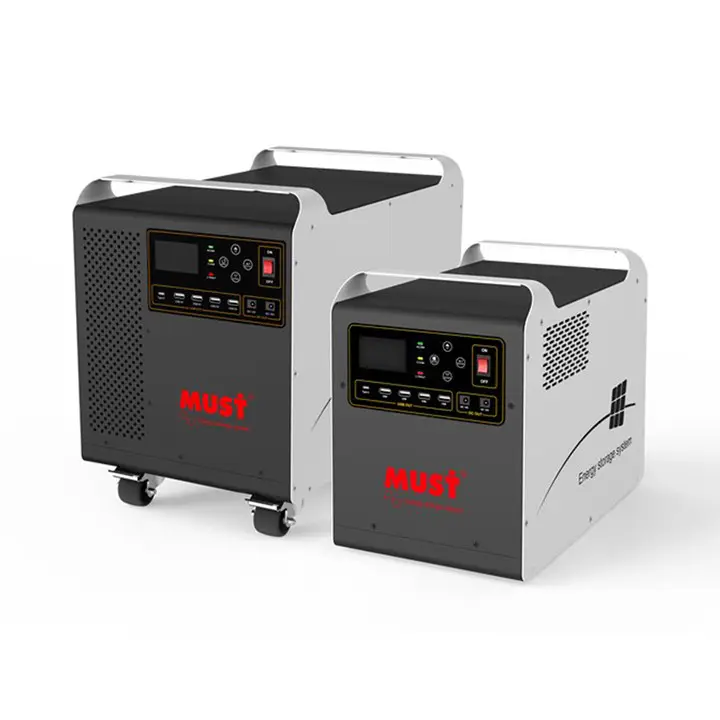
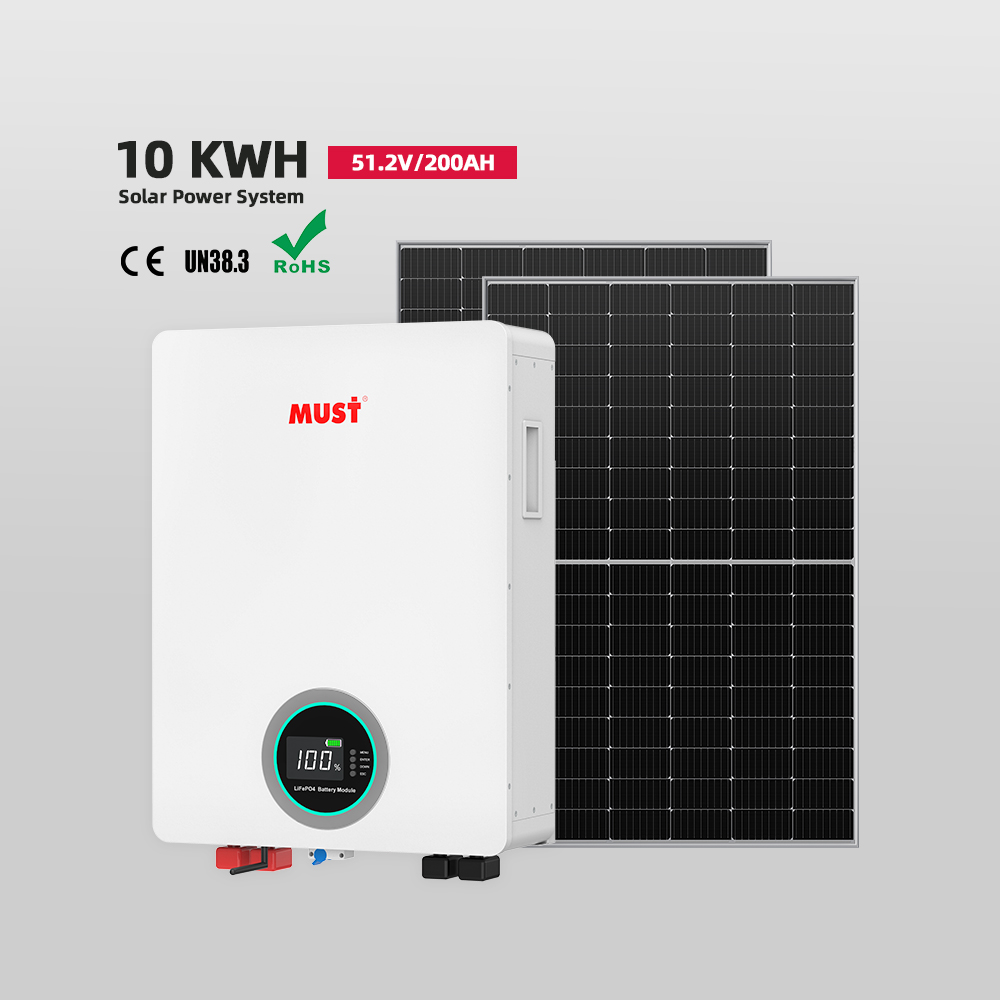
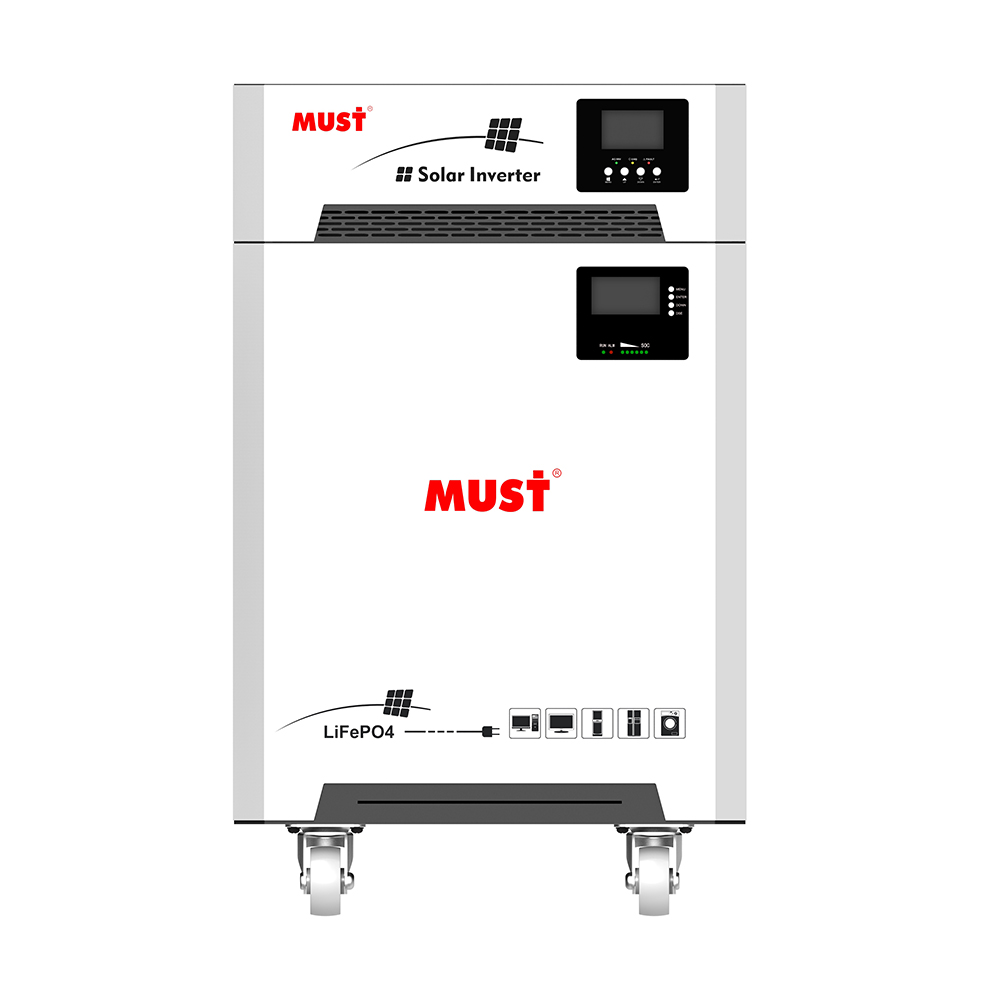
8 Best-Selling OEM Solar Inverter & LiFePO4 Storage Models
Proven in high-demand markets across Europe, Africa, the Middle East, and the Americas. Fully customizable enclosure branding, BMS protocol communication, and firmware presets.

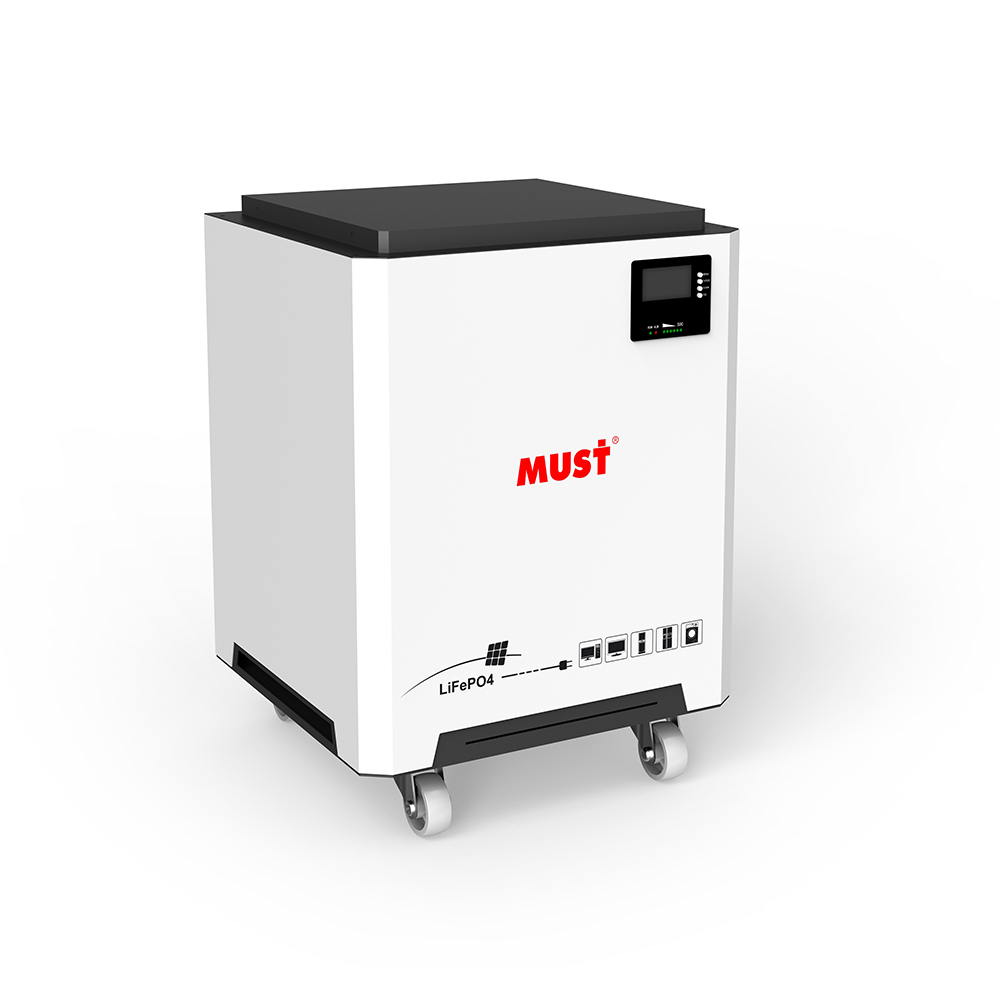
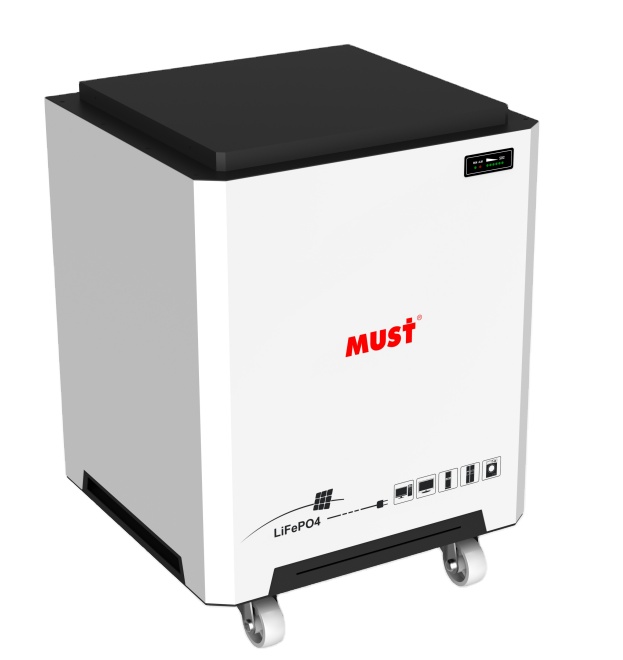
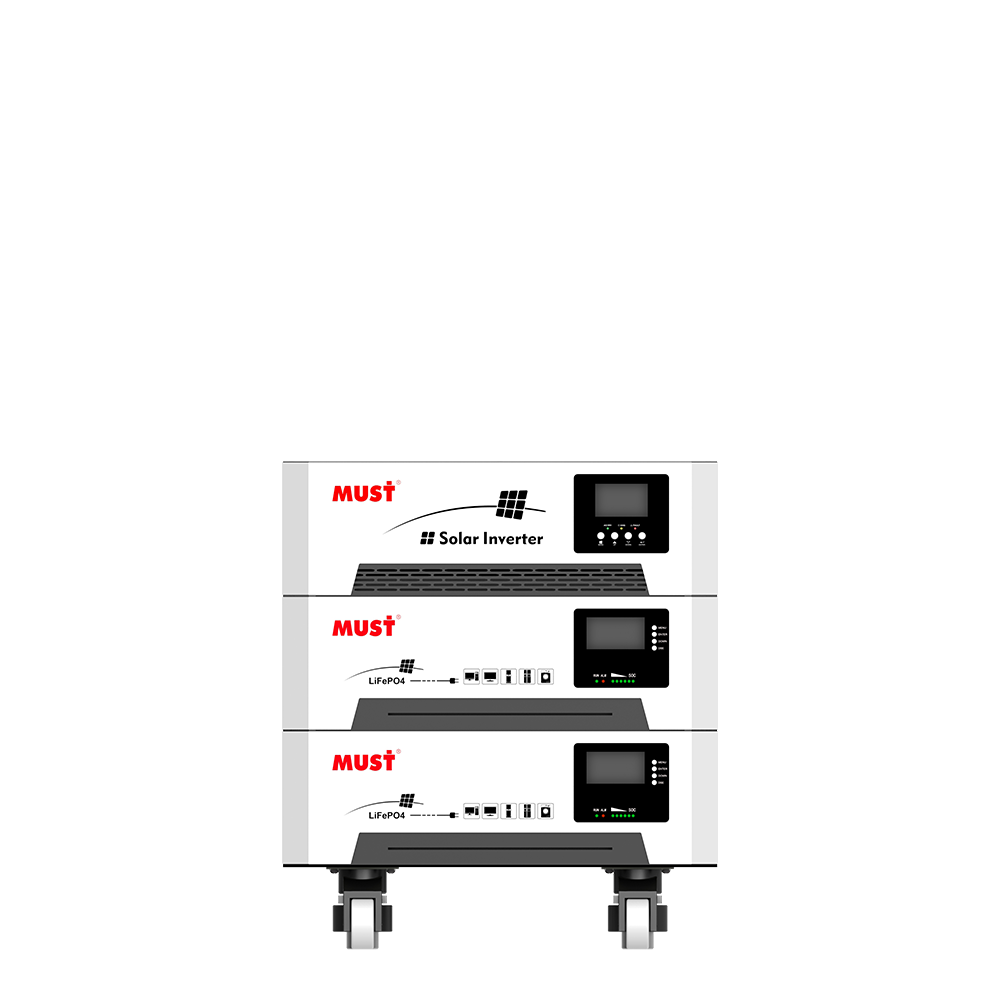
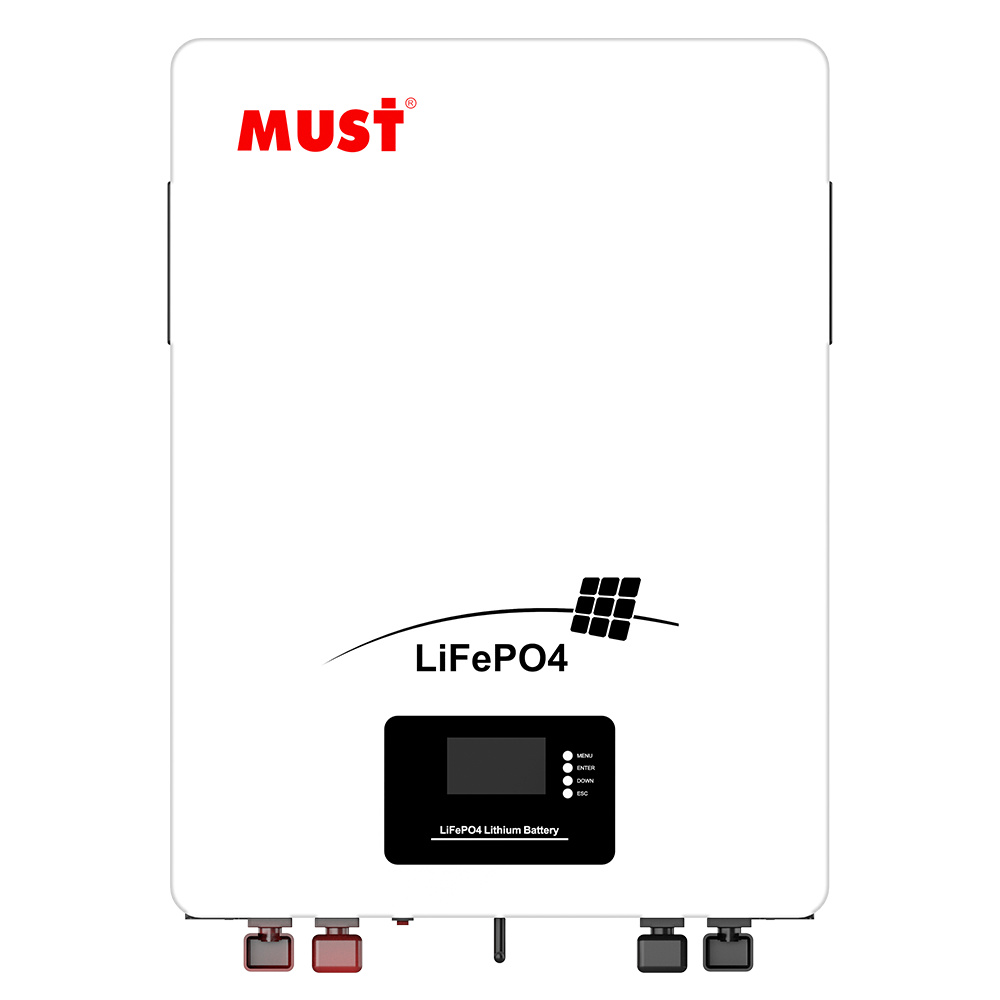
Direct OEM Manufacturing Excellence: Industrial-Grade Power Electronics
Why Tier-1 solar brand owners, commercial installers, and utility-scale distributors choose CJH Energy (guangdong) Tech Co., Ltd. as their turnkey manufacturing benchmark.
31,056 m² Smart Industrial Infrastructure & Rigorous Quality Oversight
In the high-stakes global solar conversion market, procurement managers must filter out non-factory trading intermediaries. CJH Energy (guangdong) Tech Co., Ltd. operates a fully integrated, TÜV Rheinland on-site assessed production ecosystem spanning over 31,056 square meters of advanced manufacturing facilities. Employing over 1,109 specialized personnel and supported by an in-house R&D engineering force exceeding 80 senior power-electronics engineers, CJH Energy commands an impressive annual throughput of 600,000 units across 10 distinct power generation and energy storage product categories.
Our quality management framework strictly complies with ISO 9001:2015 (Quality Management System), ISO 14001:2015 (Environmental Management System), and ISO 45001:2018 (Occupational Health and Safety System). Furthermore, our engineered topologies hold multiple national invention patents, providing our OEM clients with unassailable technological differentiation and legal security across European, North American, African, and Middle Eastern jurisdictions.
Custom Hardware & Branding
Complete structural enclosure engineering, silk-screen customized logos, customized color schemes (RAL palette matching), tailored touch LCD panels, and engineered sheet-metal modifications engineered to match your regional brand identity.
BMS & Communication Parity
Native RS232, RS485, and CAN-bus protocol matching. Our firmware team seamlessly integrates custom handshake protocols allowing live telemetry communication between our inverters and Tier-1 LiFePO4 battery modules (Victron, Pylontech, BYD, etc.).
Global Technical Support Hubs
To eliminate post-purchase friction, CJH Energy maintains active overseas subsidiary offices and warehouse hubs in Poland (Warsaw), South Africa, Dubai, and Egypt—delivering regional RMA, localized spare parts, and fast technical response.
Future Procurement Trends & Next-Gen Solar Inverter Architecture
A analytical whitepaper for B2B buyers evaluating long-term inventory lifecycle, regulatory compliance, and emerging power conversion technologies over the 2025–2030 cycle.
1. The Paradigm Shift: From Standalone Inverters to Intelligent Hybrid Energy Hubs
The global energy landscape is transitioning rapidly from basic off-grid solar conversion to integrated, bidirectional, smart-grid-interactive energy management systems. Historical procurement models focused solely on peak wattages and basic battery charging. Today's global market demands hybrid architectures capable of real-time time-of-use (TOU) load shifting, zero-export grid limiting, dynamic peak shaving, and seamless generator auto-start synchronization.
For B2B distributors, stocking traditional single-function off-grid inverters exposes inventories to rapid obsolescence. Procurement strategies must shift toward modular units offering dual MPPT inputs, high PV voltage windows (up to 500VDC Max Voc), and intelligent AC coupling capabilities for both retrofits and greenfield installations.
2. Wide-Bandgap Semiconductors: Transitioning to Silicon Carbide (SiC) Topologies
Next-generation OEM solar inverter manufacturing is heavily driven by the integration of Silicon Carbide (SiC) MOSFETs replacing legacy Silicon (Si) IGBTs. SiC power switches allow higher switching frequencies (up to 100kHz+), dramatically reducing the physical volume and thermal dissipation footprint of internal inductors and magnetic transformers.
This technological leap grants OEM buyers three decisive commercial advantages:
- Volumetric Power Density: Inverter enclosures become 30% lighter and more compact, slashing international ocean container logistics costs per unit.
- Thermal Resilience: Operating efficiency jumps from standard ~93% up to 97.8% peak efficiency, substantially minimizing fan noise and heat sink footprint.
- Extreme Surge Capacity: Enhanced withstand capabilities against inductive motor start loads (air conditioners, borehole pumps, heavy power tools).
3. Battery-Agnostic Open-Protocol BMS Interoperability
Vendor lock-in is increasingly rejected by end-users and commercial installers. The future of OEM solar inverter charger procurement hinges on closed-loop BMS protocol flexibility. Systems must dynamically communicate via CAN 2.0B or RS485 interfaces with lithium iron phosphate (LiFePO4), sodium-ion, and advanced high-voltage lithium battery banks. CJH Energy equips its OEM platforms with pre-configured protocol libraries switchable via LCD interface, allowing distributors to source battery packs independently without compatibility risks.
| Performance Spec / Architecture | Legacy Off-Grid Solar Inverter | CJH Next-Gen OEM Hybrid Inverter Charger | Distributor Commercial Impact |
|---|---|---|---|
| PV Array Voltage Range | 30VDC – 150VDC (Low PV Voltage) | 120VDC – 500VDC High PV Input | Saves 40% cable & combiner box installation cost |
| Power Switch Topology | Standard Silicon IGBTs | Advanced Silicon Carbide (SiC) MOSFETs | Substantially higher efficiency (97.8%) & reduced weight |
| BMS Telemetry Interface | Analog / Basic Voltage Sensing | Multi-Protocol CAN 2.0B / RS485 Open Library | Compatible with 99% of global Tier-1 LiFePO4 packs |
| Load Management | Single AC Load Terminal | Smart Dual-Output Load Switching (Smart Load) | Prevents battery drain by dropping non-critical loads |
| Parallel Scalability | Standalone Units Only | Up to 9 Units Parallel (Single & 3-Phase) | Scales from 5kW residential up to 45kW commercial |
4-Step Factory OEM Execution Protocol for Importers
From initial schematic concept to mass production and localized compliance testing—how CJH Energy manages full-lifecycle product development for international brands.
System Spec & Topology Definition
Our sales engineers conduct a thorough analysis of your target grid voltage (110V/120V Split-Phase or 220V/230V Single Phase / 400V Three Phase), regional ambient temperature limits, grid stability parameters, and specific battery chemistry choices.
Industrial Design & Rapid Prototyping
3D CAD chassis design, internal airflow thermal modeling, customized LCD interface styling, and branded packaging box artwork. Working engineering samples are fabricated within 15–20 working days for client lab evaluations.
Firmware Calibration & Compliance
Fine-tuning charging algorithms (Constant Current, Constant Voltage, Float Charging), configuring protection thresholds (OVP, UVP, OTP, Short-Circuit), and executing formal certification runs for CE, LVD, EMC, IEC 62109-1/-2, and UN38.3.
Mass SMT & Automated Burn-In QC
Full-scale production on high-speed SMT assembly lines, automated conformal coating application for tropical moisture defense, 100% thermal burn-in under heavy load, and export-grade pallet packaging.
Frequently Asked Questions by Technical Sourcing Managers
Answers to essential technical, logistics, compliance, and warranty questions regarding custom OEM solar inverter charger factory procurement.
Low-frequency (LF) inverters utilize a massive iron-core copper transformer to handle heavy inductive loads (borehole pumps, compressors, large motors), offering up to 300% surge capacity for up to 10 seconds. However, they are heavier and larger. High-frequency (HF) inverters utilize compact electronic switching circuits, offering higher efficiency (~95-97%), lighter shipping weight, and compact mounting, making them ideal for modern residential electronics, IT setups, and general home appliances.
Yes. Our internal software team of over 80 R&D engineers regularly customizes firmware parameters including custom CAN-bus, RS485, and RS232 handshake algorithms. We ensure your custom OEM inverter charger communicates seamlessly with any chosen BMS protocol (e.g., Pylontech, Victron, BYD, Growatt, or proprietary custom BMS setups).
For standard OEM brand logo silk-screening and customized carton packaging, our MOQ typically starts at 50 to 100 units depending on the power rating (1kW to 15kW). For advanced structural sheet-metal modifications, custom mold tooling, or custom color powder-coating, MOQs are negotiated on a project-by-project basis with fast-track sample support.
Our solar inverters are built with high-velocity intelligent variable-speed cooling fans, thick extruded aluminum heat sinks, and anti-corrosive conformal coating applied over all internal PCB assemblies. This provides robust defense against high humidity, salty air coastal degradation, and ambient operating temperatures ranging up to +55°C without premature power derating.
Standard OEM warranties range from 2 to 5 years depending on the model and application scope. To support our global distributors, CJH Energy provides 1% to 2% spare mainboards and critical power components with mass container orders, backed by technical support from our overseas subsidiary hubs in Poland (Warsaw), South Africa, Dubai, and Egypt.
Partner with a Certified OEM Solar Inverter Factory
Direct factory pricing, complete engineering customization, certified quality management, and rapid global delivery. Request a complete technical dossier, product catalog, and wholesale quotation today.
