Wholesale Solar Controllers & LiFePO4 Battery Systems
Explore our flagship MPPT regulators, hybrid storage batteries, and portable solar power stations engineered for demanding commercial, industrial, and off-grid residential applications.
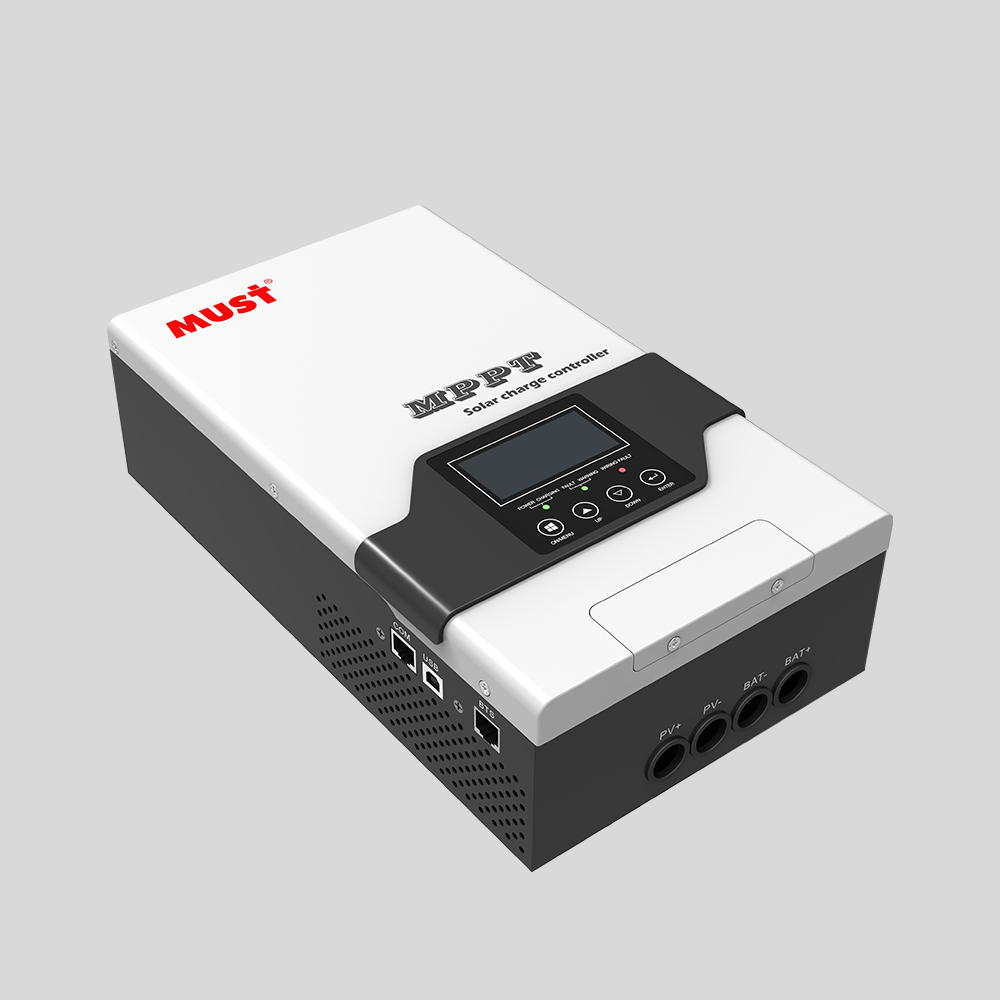
MUST PC1800F Series Fan Cooling 60A 80A 100A Mppt Solar Controller
Product Details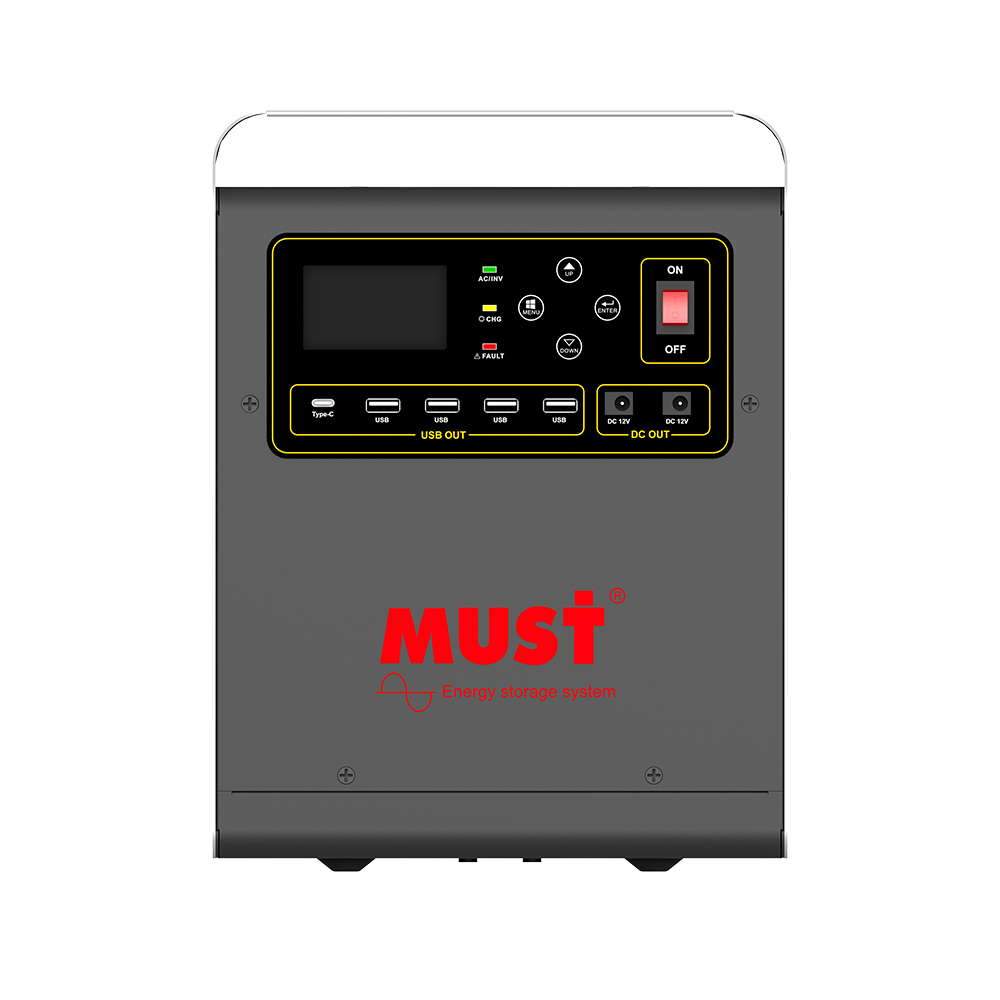
MUST 1KW Portable Solar Power Station 1KWH LiFePO4
Product Details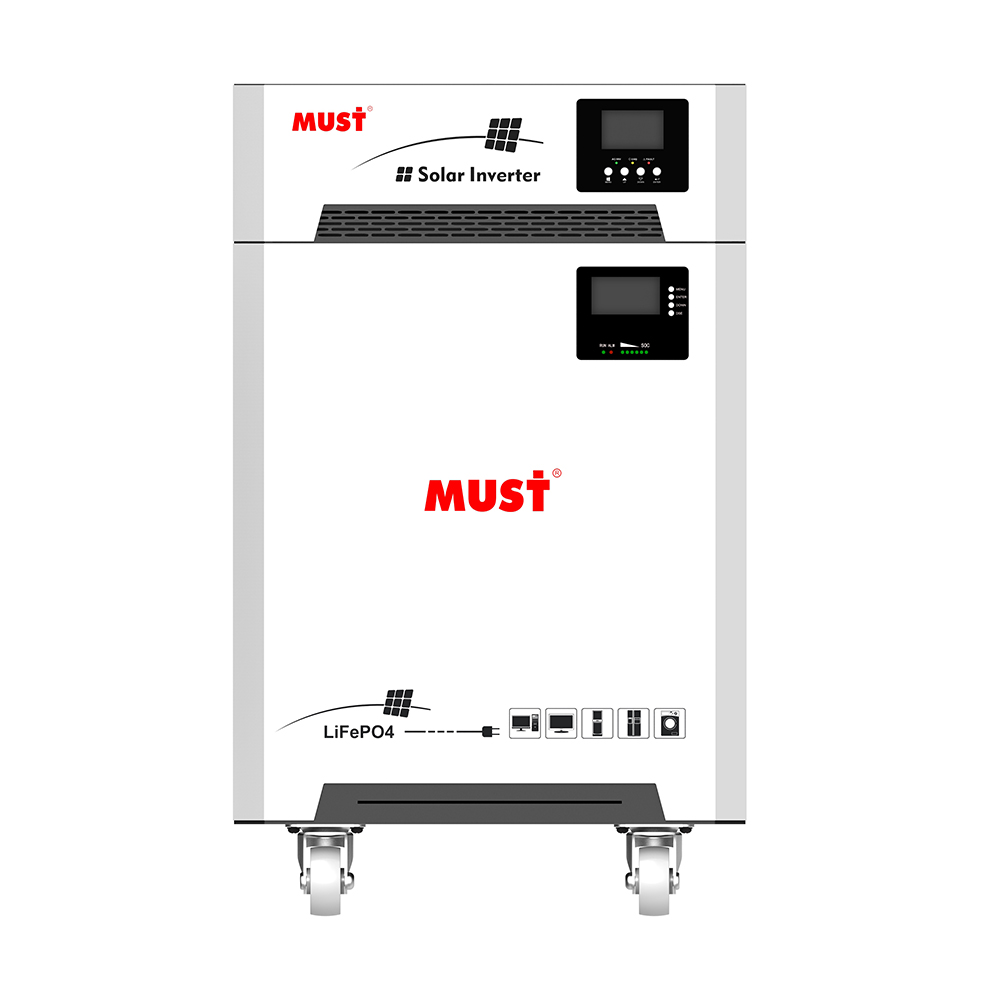
48V 250Ah LiFePO4 All In One 5KW Solar Hybrid ESS
Product Details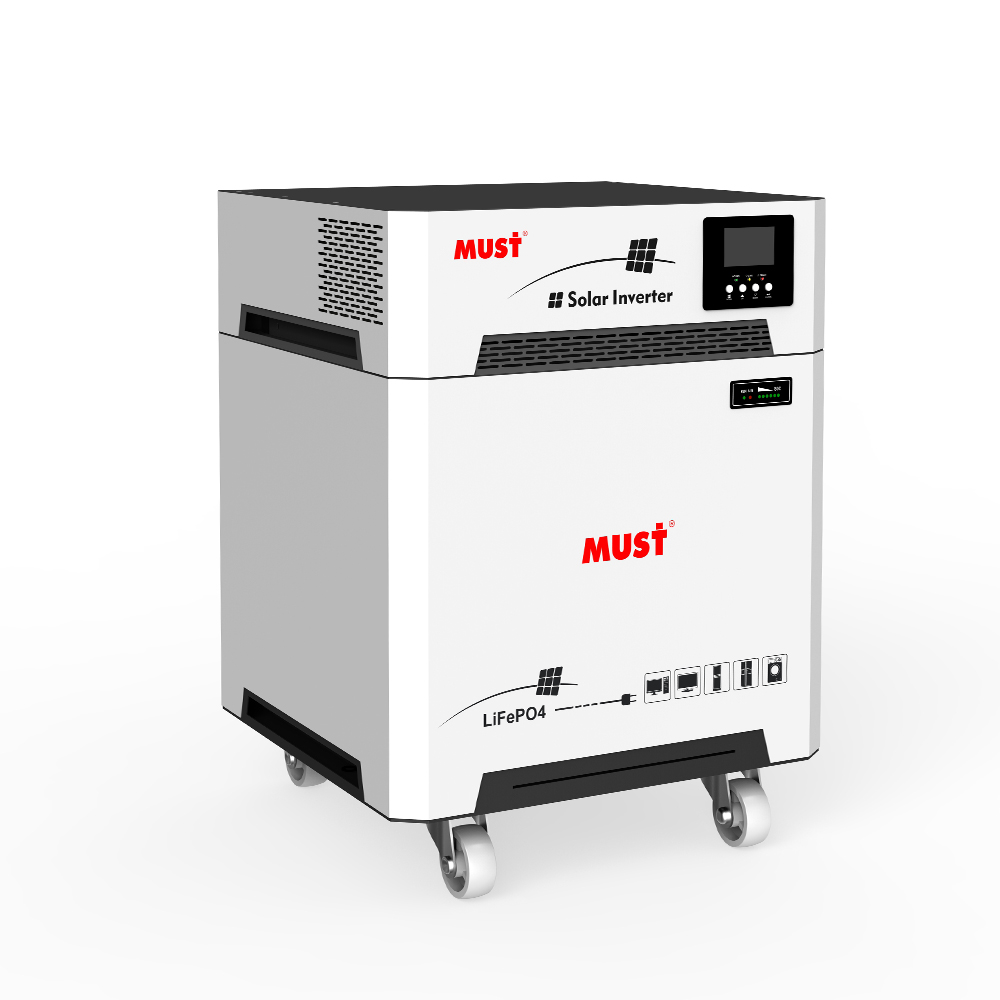
MUST Solar Station 1KW–3KW Outdoor Energy Unit
Product Details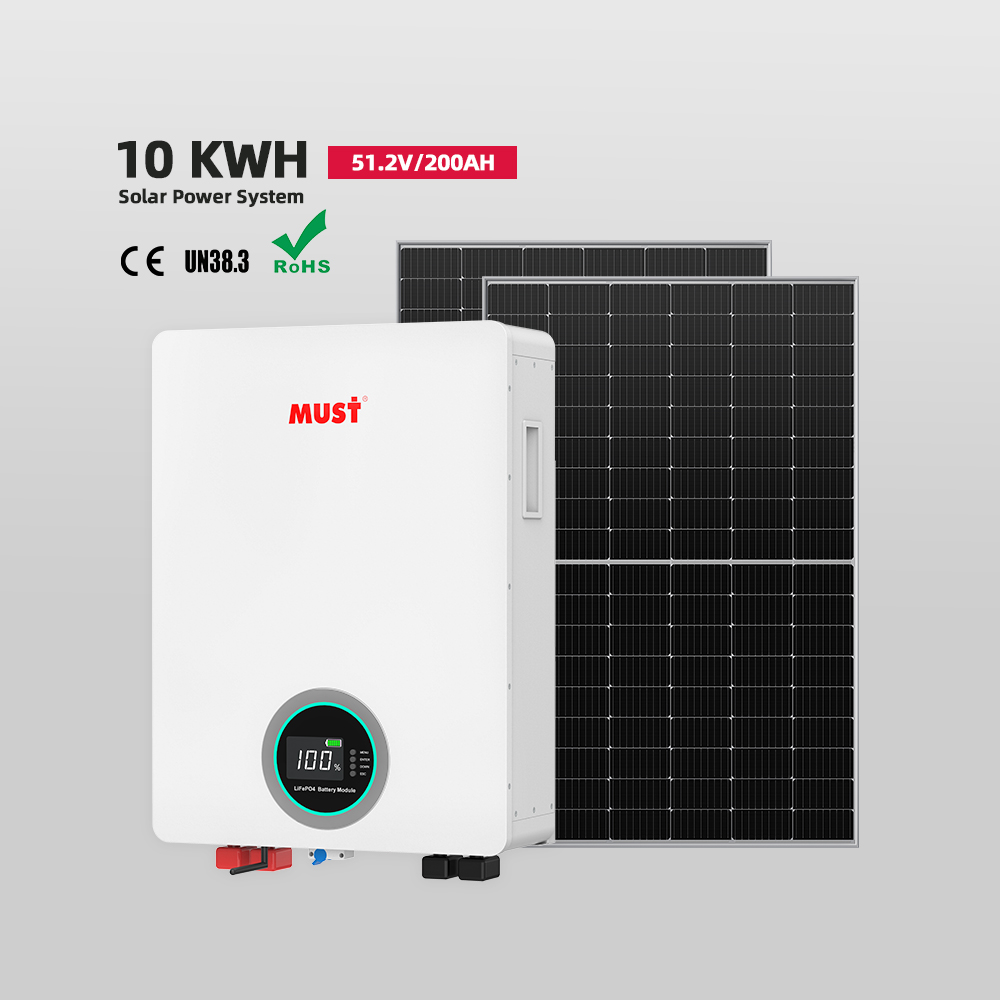
LP16-48100 LiFePO4 Battery Pack 48V 100Ah (5.12kWh)
Product Details
LP2800 Series 48V LiFePO4 Residential Battery
Product Details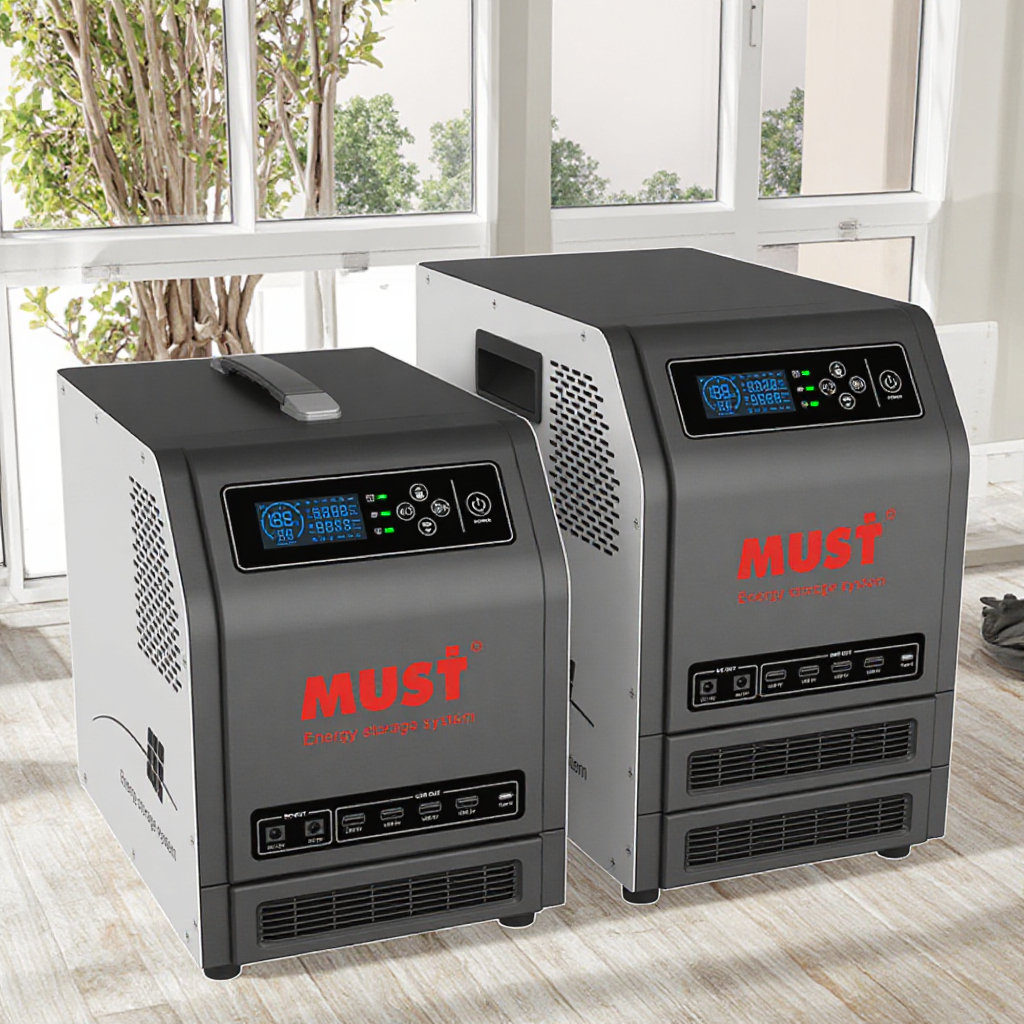
Portable Solar Power Station 1KW / 2KW / 3KW
Product Details
MUST Portable Outdoor Solar Station 2000Wh / 3000Wh
Product DetailsExecutive White Paper: Sourcing Solar Battery Controllers & Storage Regulators from China
As global energy transitions accelerate, the demand for high-efficiency solar charge controllers, hybrid energy storage systems (ESS), and industrial-grade power management electronics has experienced exponential growth. B2B importers, engineering procurement construction (EPC) firms, and solar equipment distributors navigating China's manufacturing landscape face complex engineering choices regarding topology selection, dynamic response speeds, dynamic thermal management, and long-term supply chain reliability.
A solar battery controller (often termed a solar charge regulator) serves as the brain of any off-grid or hybrid photovoltaic system. It manages power flow from solar PV arrays directly into electrochemical storage (such as LiFePO4 or lead-acid chemistry) while concurrently powering downstream DC/AC loads. Choosing the optimal wholesale manufacturing partner in China requires a deep-dive evaluation of tracking algorithms, switching components, conversion topology, and rigorous quality assurance standards under real-world ambient stress.
Advanced MPPT Topologies
Utilizing Perturb & Observe (P&O) and Incremental Conductance tracking to extract >99.5% peak power from solar PV strings even under partial shading conditions.
LiFePO4 BMS Integration
Pre-configured charging profiles with dual-way CANbus/RS485 closed-loop communication for real-time voltage balancing and cell-level thermal protection.
Industrial Thermal Design
Heavy-duty aluminum heat sinks combined with intelligent PWM speed-controlled cooling fans to maintain continuous rated ampacity up to 50°C ambient temperatures.
Solar Controller Engineering Architectures: PWM vs. MPPT
For global procurement teams, evaluating whether to source PWM (Pulse Width Modulation) or MPPT (Maximum Power Point Tracking) regulators hinges on system voltage, operating environment, and total project lifecycle cost. Below is an engineering comparison matrix designed for wholesale technical buyers:
| Parameter / Feature | Pulse Width Modulation (PWM) | Maximum Power Point Tracking (MPPT) | CJH / MUST Industrial MPPT Series |
|---|---|---|---|
| Peak Conversion Efficiency | 70% – 80% | 94% – 98% | 98.1% (Peak Efficiency) |
| PV Input Voltage Range (Voc) | V_PV must equal V_Battery | Wide PV range (up to 150V – 500VDC) | High Voc support (up to 240V / 450VDC) |
| Shading Compensation | Poor (drops array output dramatically) | Excellent (re-scans IV curve automatically) | Advanced multi-peak tracking algorithm |
| Battery Chemistry Support | Standard Lead-Acid / Sealed Gel | Lead-Acid + Basic Lithium | Smart LiFePO4, Gel, AGM, Custom User Profile |
| Ideal Sourcing Application | Small scale (<300W), cost-sensitive rural lighting | Residential ESS, Commercial Solar, Telecom | Utility, Wholesale Importers, Heavy-Duty Hybrid ESS |
Synchronous Rectification & Switching Loss Minimization
Our factory utilizes low RDS(on) power MOSFETs paired with synchronous rectification technology in all high-ampacity controllers (60A to 100A+). By replacing conventional freewheeling diodes with ultra-low resistance semiconductor switches, conduction losses in the buck-converter stage are reduced by over 60%, resulting in minimal internal temperature rise and extended MTBF (Mean Time Between Failures).
Future Procurement Trends in Solar Equipment Sourcing
Analyzing market intelligence and macro procurement shifts reveals five dominant trends transforming how global B2B buyers interface with Chinese power electronic factories:
1. Shift Towards All-In-One Integrated Hybrid Systems
Wholesale buyers are rapidly migrating away from sourcing discrete components (separate charge controller, standalone inverter, unmanaged battery bank). Market preference strongly favors consolidated All-In-One Energy Storage Systems (ESS) where the MPPT solar charge regulator, pure sine wave inverter, dynamic battery management system (BMS), and AC transfer switch reside within a single pre-wired enclosure. This eliminates installer wiring errors and slashes onsite deployment times by up to 70%.
2. Protocol Standardization & Open Telemetry
Proprietary communication protocols are being phased out in favor of standardized Modbus RTU, CAN 2.0B, and Wi-Fi/GPRS cloud telemetry. Sourcing managers now require solar controllers to natively interface with third-party home automation software, municipal microgrid platforms, and remote fleet monitoring software for predictive maintenance.
3. Stringent Environmental & Safety Compliance
International markets are enforcing stricter compliance standards beyond simple CE markings. Wholesale procurement specifications now explicitly mandate ISO 14001 environmental management audits, ISO 45001 occupational safety compliance, TÜV Rheinland factory verification reports, UN38.3 lithium transport compliance, and IP65 ingress protection for outdoor installations.
4. Custom OEM/ODM Firmware & Localization
Distributors demand tailored firmware algorithms tailored to regional grid characteristics—such as wide AC input voltage windows for regions with severely unstable utility grids (e.g., Sub-Saharan Africa, South Asia), multi-stage low-temperature lithium charging cut-offs for Northern European climates, and localized user interfaces in multiple languages.
Direct Tier-1 Silicon Sourcing
We source microcontrollers and IGBTs directly from top semiconductor foundries, guaranteeing component authenticity and zero counterfeit risks.
Closed-Loop QC Automation
100% automated optical inspection (AOI) and computerized full-load aging tests for every manufactured motherboard prior to chassis casing.
Future Product Development Trends in Solar Power Electronics
To maintain competitive advantages, our factory R&D team continuously integrates frontier technology breakthroughs into upcoming controller generations. Importers alignment with these technological vectors ensures future-proof product catalogs:
- Gallium Nitride (GaN) & Silicon Carbide (SiC) Power Switches: Next-generation power regulators are transitioning to wide-bandgap semiconductors. SiC MOSFETs allow switching frequencies exceeding 100kHz, reducing inductor size by 40% while pushing total converter efficiency past 99%.
- AI-Driven Dynamic MPPT Curves: Integrating machine-learning edge nodes into controller microprocessors allows real-time weather forecasting analysis, optimizing MPPT tracking speed during rapidly moving cloud cover and minimizing energy harvest loss.
- High-Voltage DC Coupling Architecture: Moving from conventional low-voltage 48V battery buses to high-voltage DC architectures (200V–500VDC) lowers current draw, allowing thinner copper wiring, lowering I²R thermal losses, and increasing overall round-trip storage efficiency.
- Bidirectional Vehicle-to-Load (V2L) Integration: Merging solar controllers with bidirectional EV power electronics enables solar arrays to charge electric vehicles directly while allowing the EV battery to supply emergency power back into home circuits through the controller's smart bus bar.
Enterprise Superiority & Factory Capabilities (CJH Energy / MUST)
Partnering directly with a certified Chinese manufacturer eliminates trading company markups and guarantees direct engineering support. Our industrial complex represents the state-of-the-art in power electronics manufacturing:
Massive Facility Scale
Over 31,056 m² of standardized electronics manufacturing workspace equipped with automated surface-mount technology (SMT) lines and automated dip-soldering systems.
1,109 Skilled Workforce
Operated by 1,109 dedicated staff members, including over 80+ R&D engineers specializing in power electronics software, thermal modeling, and custom enclosure design.
TÜV Rheinland Audited
Full operational transparency audited on-site by TÜV Rheinland. System operations comply with ISO 9001, ISO 14001, and ISO 45001 standardizations.
Global Service Network & Regional Warehousing
To resolve after-sales pain points for international buyers, CJH Energy has established direct subsidiary offices and local warehousing hubs in key target markets including Poland (Warsaw serving Europe), South Africa, Dubai (Middle East Hub), and Egypt. This localized presence ensures prompt warranty unit replacements, spare parts distribution, and real-time technical troubleshooting.
Wholesale Sourcing FAQ for B2B Buyers
Ready to Partner with China's Premier Solar Controller Manufacturer?
Get direct factory pricing, request customized product samples, or schedule a virtual factory inspection with our engineering leadership team today.
Inquire Now