Featured Industrial Energy Storage & Inverter Wholesale Portfolio
Explore top-tier manufactured power storage units, off-grid inverters, and portable power stations directly available for bulk OEM/ODM ordering and global dispatch.
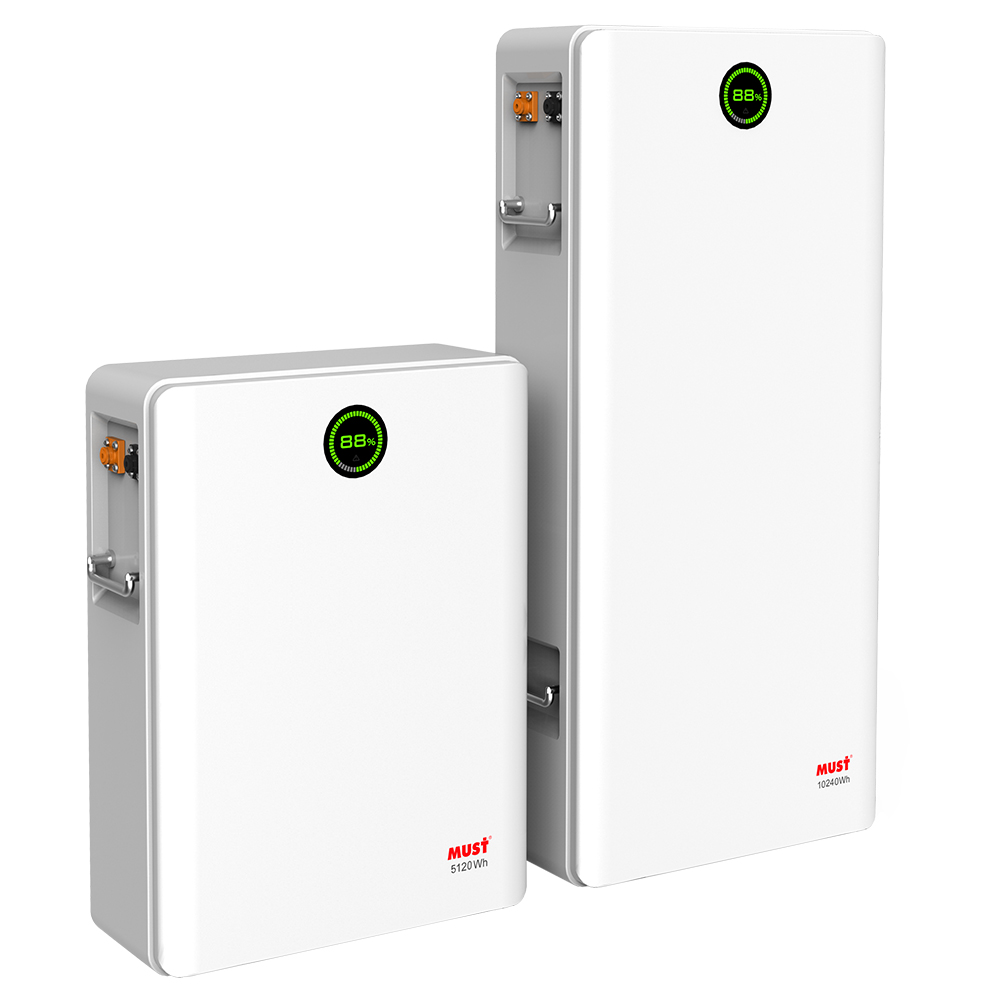
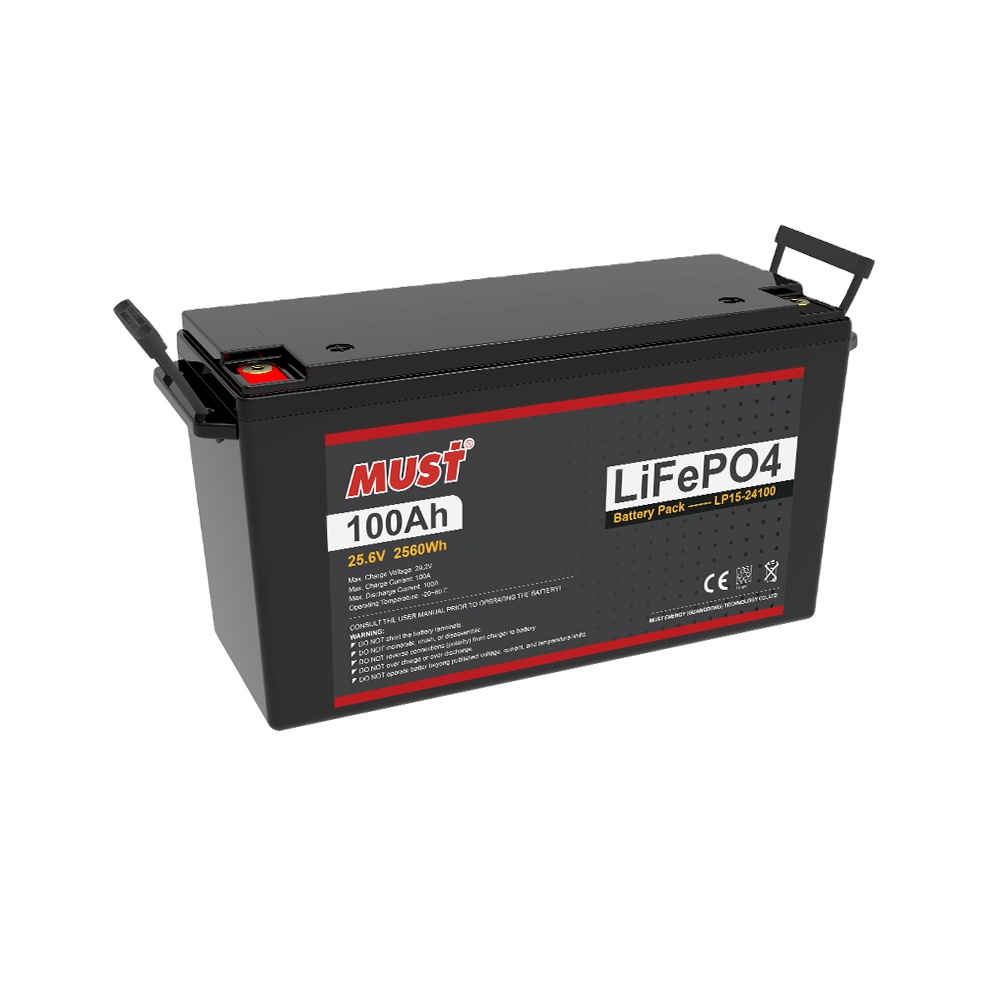
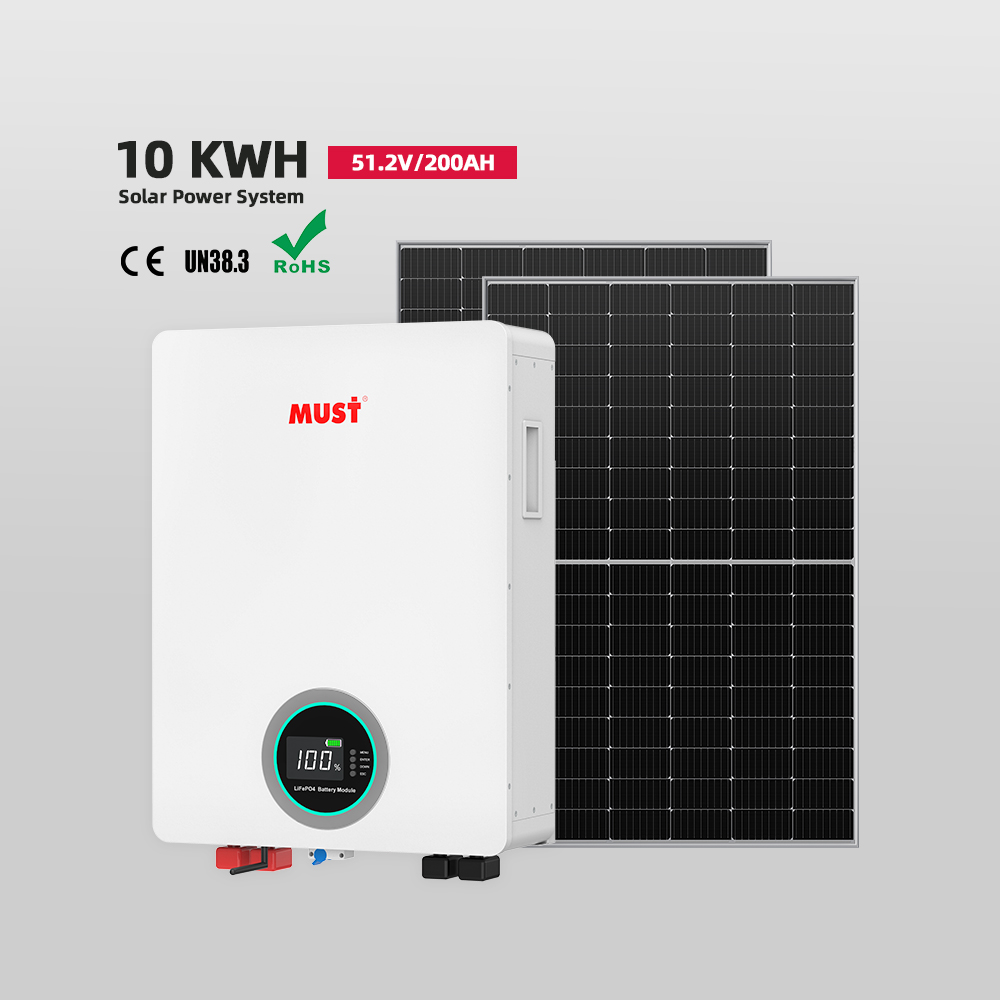
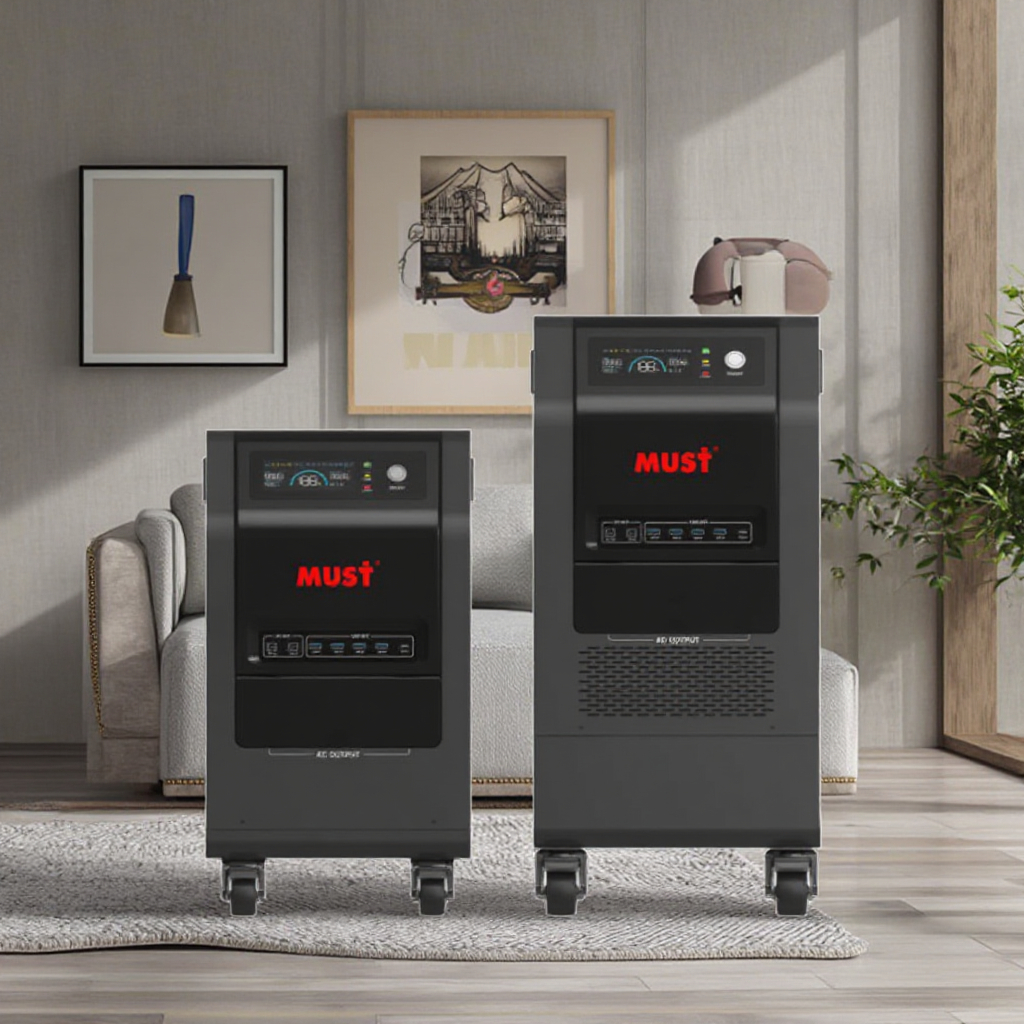
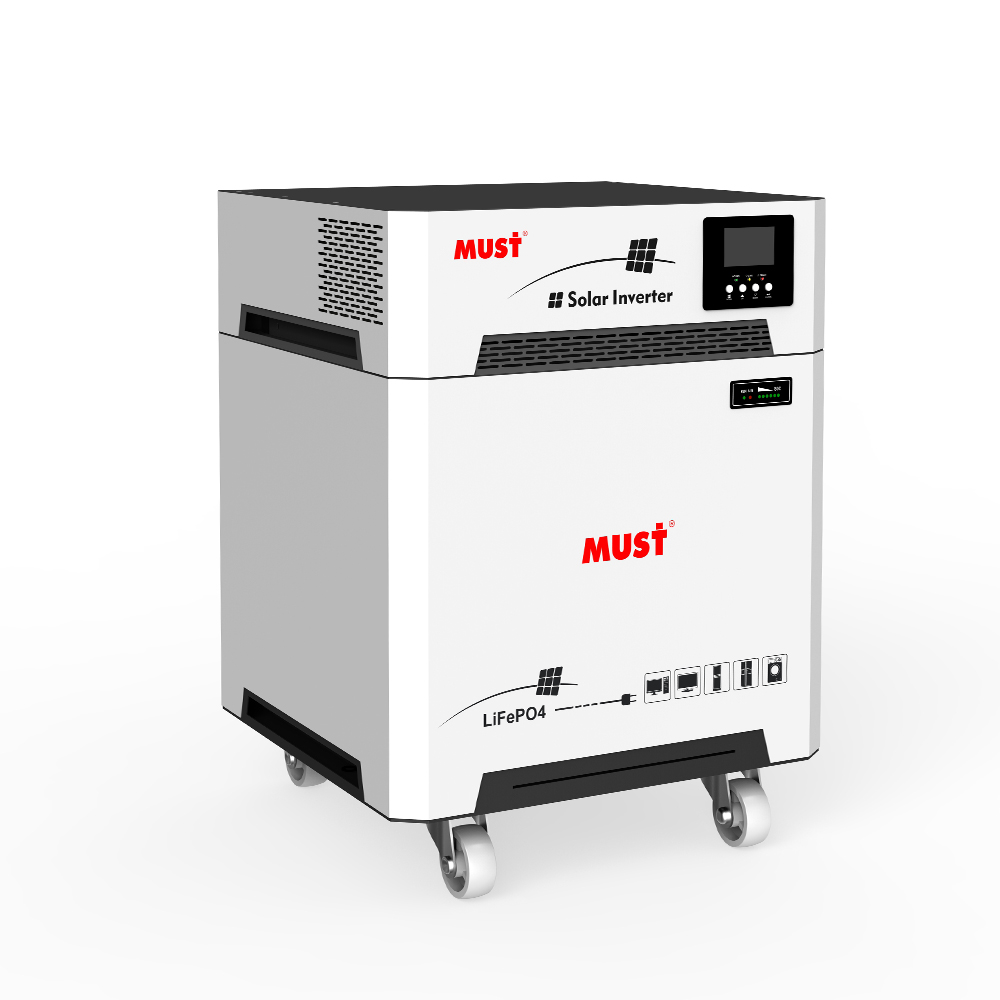

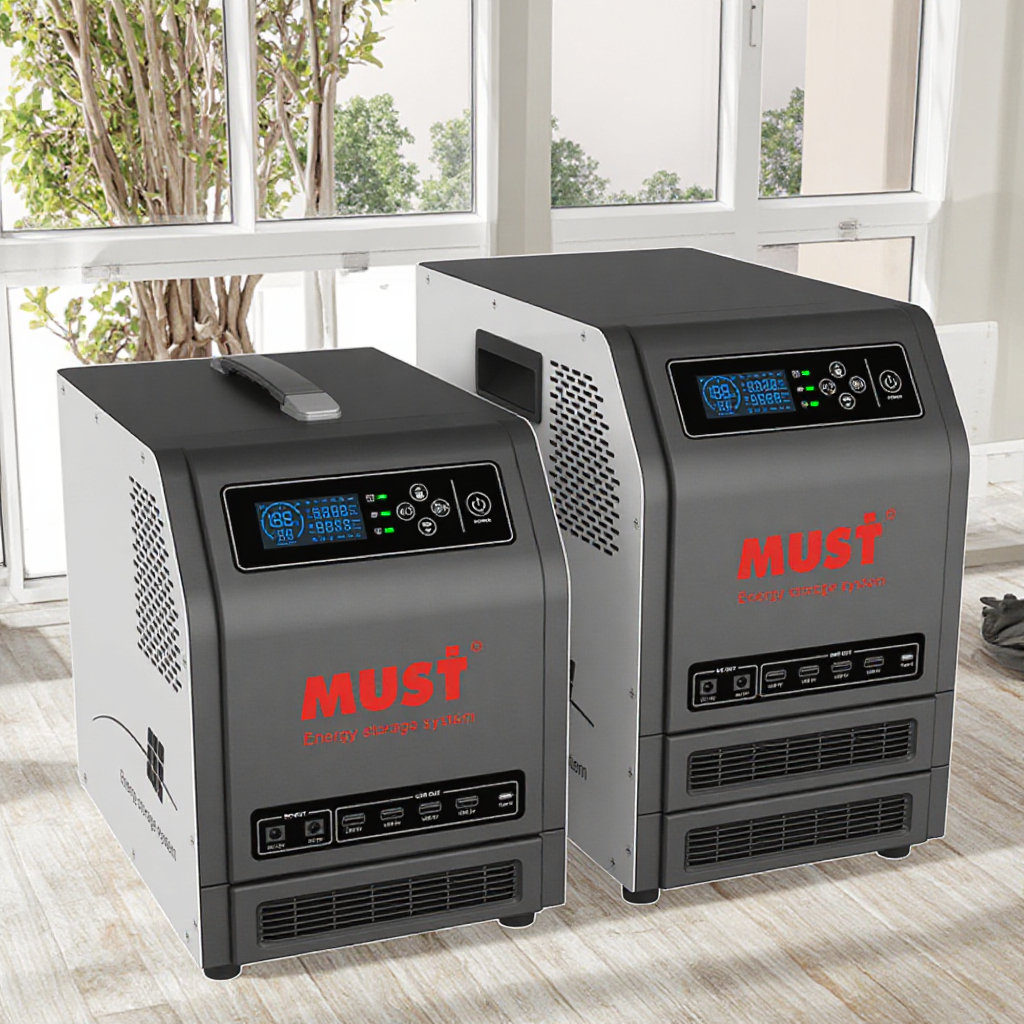
1. Executive Summary & Sourcing Ecosystem in China
The global energy landscape is undergoing an unprecedented shift toward decentralization, driven by grid instability, escalating fossil fuel costs, and environmental mandates. Central to this transition is the power electronics sector—specifically, Direct Current (DC) to Alternating Current (AC) inverters and integrated Lithium Iron Phosphate (LiFePO4) energy storage systems (ESS). China currently commands over 80% of the global manufacturing footprint for power conversion hardware and battery energy storage. For international distributors, EPC (Engineering, Procurement, and Construction) contractors, and OEM brand owners, navigating the ecosystem of China wholesale DC AC inverter suppliers & wholesalers requires an in-depth understanding of technical topology, supply chain integrity, quality assurance compliance, and total cost of ownership (TCO).
This industry whitepaper serves as an authoritative procurement analysis. It covers the engineering paradigms of DC-AC conversion, battery communication handshakes, future market trajectories, and structural criteria for evaluating tier-1 Chinese power electronics manufacturers.
2. Technical Paradigms of Modern DC-AC Power Conversion
Power conversion from DC (generated by solar PV arrays or stored in battery banks) to AC (required by utility grids, commercial loads, and household appliances) relies on complex solid-state power electronics switching. Sourcing engineers must distinguish between structural topologies to align procurement with regional operational environments.
High-Frequency Transformerless Inverters
Utilizing high-speed switching solid-state MOSFETs/IGBTs operating at frequency bands between 20kHz and 100kHz. These systems eliminate heavy iron-core transformers, achieving ultra-high power density, peak efficiencies exceeding 975%, compact footprints, and lower freight overhead during wholesale transport.
Low-Frequency Heavy-Duty Inverters
Engineered with heavy copper toroidal transformers, low-frequency inverters operate at 50Hz/60Hz native switching. They provide immense surge capabilities (300% peak rating for 10–20 seconds), making them ideal for high-inductive motor loads, industrial pumps, air compressors, and severe weak-grid environments found across Africa, Latin America, and Southeast Asia.
On/Off-Grid Hybrid Systems
Integrating MPPT charge controllers, AC grid-interactive pass-through relays, and bidirectional battery chargers. Advanced hybrid architectures manage bi-directional power flows, switching from grid-tied self-consumption mode to off-grid islanding back-up mode within 10 milliseconds during utility outages.
When evaluating wholesale pure sine wave inverters, procurement specs must stipulate THD < 3% for linear loads and < 5% for non-linear loads. Poorly filtered modified sine wave units induce parasitic thermal losses, electromagnetic interference (EMI), and motor hum, leading to premature appliance failure in end-user installations.
3. Sourcing Comparison: Inverter Architecture Selection Matrix
To optimize product portfolio selection for specific buyer demographics, review the technical decision matrix below utilized by Tier-1 OEM suppliers:
| Specification Criteria | High-Frequency Inverters | Low-Frequency Inverters | Hybrid ESS Storage Inverters |
|---|---|---|---|
| Peak Conversion Efficiency | 93% – 97.5% | 85% – 90% | 94% – 98% |
| Surge Capacity Rating | 150% – 200% (Short Burst < 2s) | 300% (Sustained 10s–20s) | 200% (Integrated Electronic Limiters) |
| Target Market Applications | Residential PV, Telecom, Off-Grid Cabins | Industrial Motors, Pumps, Weak Grids | Modern Smart Homes, Net-Metering Grids |
| Volumetric Weight / Freight Cost | Low (Optimized Freight Efficiency) | High (Heavy Copper Transformer Weight) | Moderate (Compact Wall-Mounted Units) |
| Battery Communication Protocol | RS485 / CANbus / RS232 | Dry Contact / Voltage Sensing / RS485 | Integrated Native BMS Protocol Matching |
4. Advanced Battery Integration: LiFePO4 & Smart BMS Closed-Loop Communication
The modern DC-AC inverter can no longer be evaluated as an isolated power component; it functions as the central nerve hub of an integrated Energy Storage System (ESS). China wholesale suppliers have shifted from traditional lead-acid/GEL support to high-energy-density Lithium Iron Phosphate (LiFePO4) chemistry.
LiFePO4 batteries provide over 6,000 cycles at 80% Depth of Discharge (DoD), non-combustible thermal runaway safety profiles up to 500°C, and minimal volumetric degradation. However, maximizing LFP lifespan requires strict closed-loop communication between the inverter's microcontroller and the Battery Management System (BMS).
1. Closed-Loop Handshake
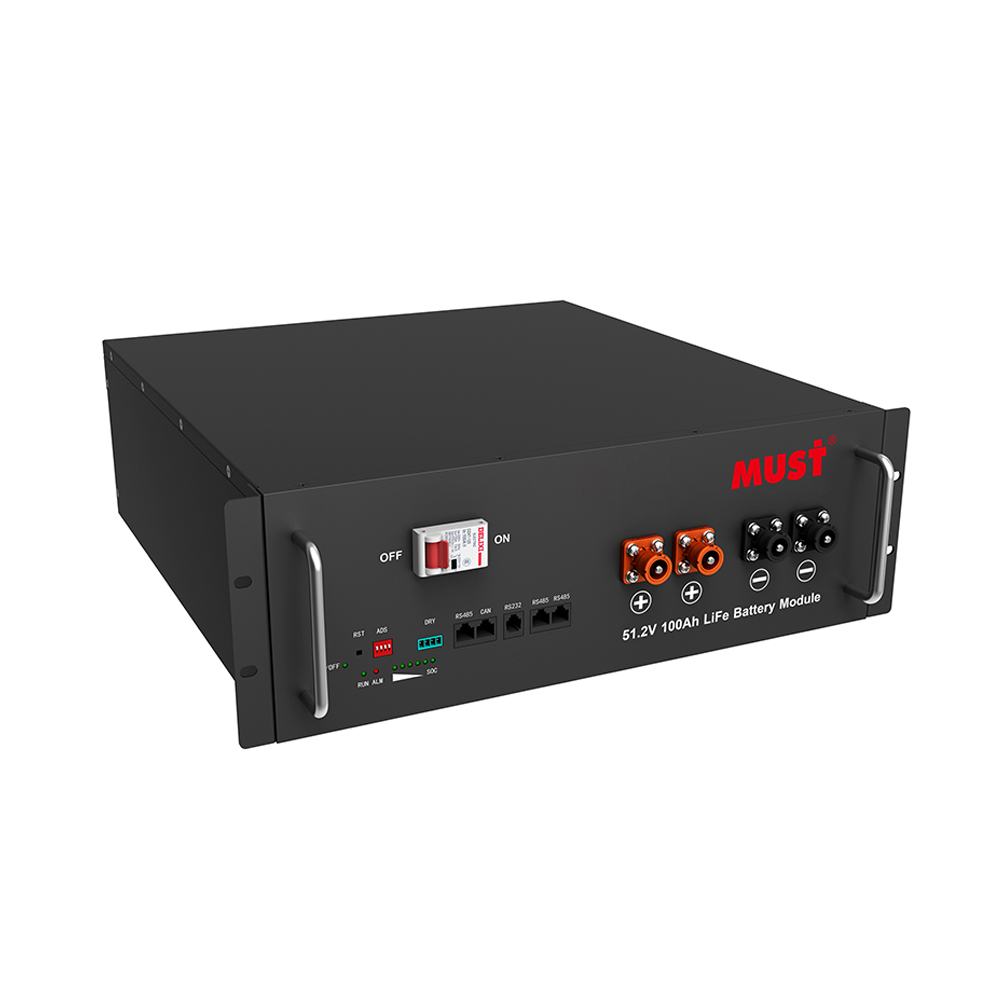
Via CANbus or RS485 physical layer interfaces, the BMS transmits real-time cell parameters (Cell Voltage Max/Min, Temperature, State of Charge %, Maximum Allowable Charge/Discharge Current) directly to the DC-AC inverter control board.
2. Dynamic Current Throttling
Instead of static bulk/float voltage cut-offs, the inverter dynamically throttles charge current based on real-time cell temperature profiles. This prevents lithium plating at low operational temperatures and thermal stress at elevated ambients.
3. Multi-Pack Parallel Scaling
Commercial installations necessitate parallel battery expansion. Advanced wholesale battery modules support up to 15 units in parallel without external master controllers, scaling system storage capacity up to 153.6kWh seamlessly.
5. Future Sourcing & Procurement Trends (2025–2030)
As international market regulations evolve and renewable penetration rises, procurement directors must align their supply lines with emerging technological and commercial macro-trends:
- High-Voltage Architecture Transition: Moving from conventional low-voltage (48V DC) residential systems to high-voltage DC bus lines (200V–800V DC). High voltage reduces internal $I^2R$ resistive cable losses, slashes copper wiring cross-sectional requirements, and increases system-wide round-trip efficiency (RTE) above 95%.
- Wide-Bandgap Semiconductors (SiC & GaN): Next-generation Chinese wholesale inverters are integrating Silicon Carbide (SiC) MOSFETs and Gallium Nitride (GaN) switches. These components drastically reduce switching thermal dissipation, allow smaller magnetic filter components, and unlock ambient operating thresholds up to 60°C without thermal derating.
- Virtual Power Plant (VPP) & Smart Grid Integration: Inverters are evolving from passive power conversion devices into grid-supporting nodes equipped with OpenADR, SunSpec, and IEEE 1547 compliance protocols. This enables regional energy aggregators to remotely control active/reactive power flow, execute peak shaving, and participate in frequency regulation markets.
- Supply Chain Localization & EU/US Service Hubs: Leading Chinese manufacturers are establishing overseas warehousing, spare-part hubs, and technical service centers in key markets such as Poland (Warsaw), South Africa (Johannesburg), the UAE (Dubai), and Egypt (Cairo) to mitigate geopolitical shipping delays and provide localized RMA turnaround.
6. Manufacturing Strength & Enterprise Quality Assurance
When selecting a manufacturing partner among China wholesale DC AC inverter suppliers & wholesalers, operational scale, engineering pedigree, and quality management systems form the bedrock of supply reliability. CJH Energy (Guangdong) Tech Co., Ltd. stands out as an established industrial benchmark in custom power electronics manufacturing.
31,056 m² Production Base & 600K Capacity
Operating out of an expansive modern industrial park staffed by 1,109 skilled employees, CJH Energy maintains an annual output capacity exceeding 600,000 units across off-grid inverters, hybrid power systems, MPPT charge controllers, UPS setups, and lithium battery banks.
TÜV Rheinland On-Site Audit & ISO Standards
Factory operations adhere to full ISO 9001 Quality Management, ISO 14001 Environmental Management, and ISO 45001 Occupational Health systems. Crucially, the production facilities have undergone comprehensive on-site verification and auditing by TÜV Rheinland.
80+ In-House R&D Engineers & OEM/ODM Expertise
With more than 80 specialized electrical engineers holding national invention patents, CJH Energy supports end-to-end OEM/ODM customization—including customized enclosure tooling, firmware control parameters, bilingual LCD interfaces, and specific BMS protocol matching.
Global Service Network & Local Hubs
To support international distributors, CJH Energy operates direct subsidiary branch offices and regional warehouses in Warsaw (Poland), South Africa, Dubai, and Egypt—ensuring rapid local spare parts distribution, warranty response, and direct technical consultations.
7. Frequently Asked Sourcing Questions (Procurement FAQ)
Below are essential technical and operational answers to common queries raised by international buyers during factory evaluations:
- 12V DC Architecture: Suited for small loads under 1kW (RVs, small lighting backup, mobile kits).
- 24V DC Architecture: Optimal for loads between 1kW and 3kW (small residential off-grid systems).
- 48V DC Architecture: Mandatory for continuous loads exceeding 3kW up to 15kW. Higher DC voltage reduces operating current ($I = P/V$), which drastically reduces cable heat losses, permits thinner copper conductors, and enhances safety.
Partner with a Verified Power Electronics Factory
Ready to scale your local clean energy business with high-efficiency DC AC inverters, MPPT solar controllers, and LiFePO4 battery storage systems? Request factory-direct pricing, engineering datasheets, and OEM consultation today.
