Industrial-Grade Inverters & Lithium Storage Systems
Factory-direct, TÜV Rheinland-assessed power conversion units engineered for weak-grid resilience, microgrids, and high-efficiency solar harvesting.
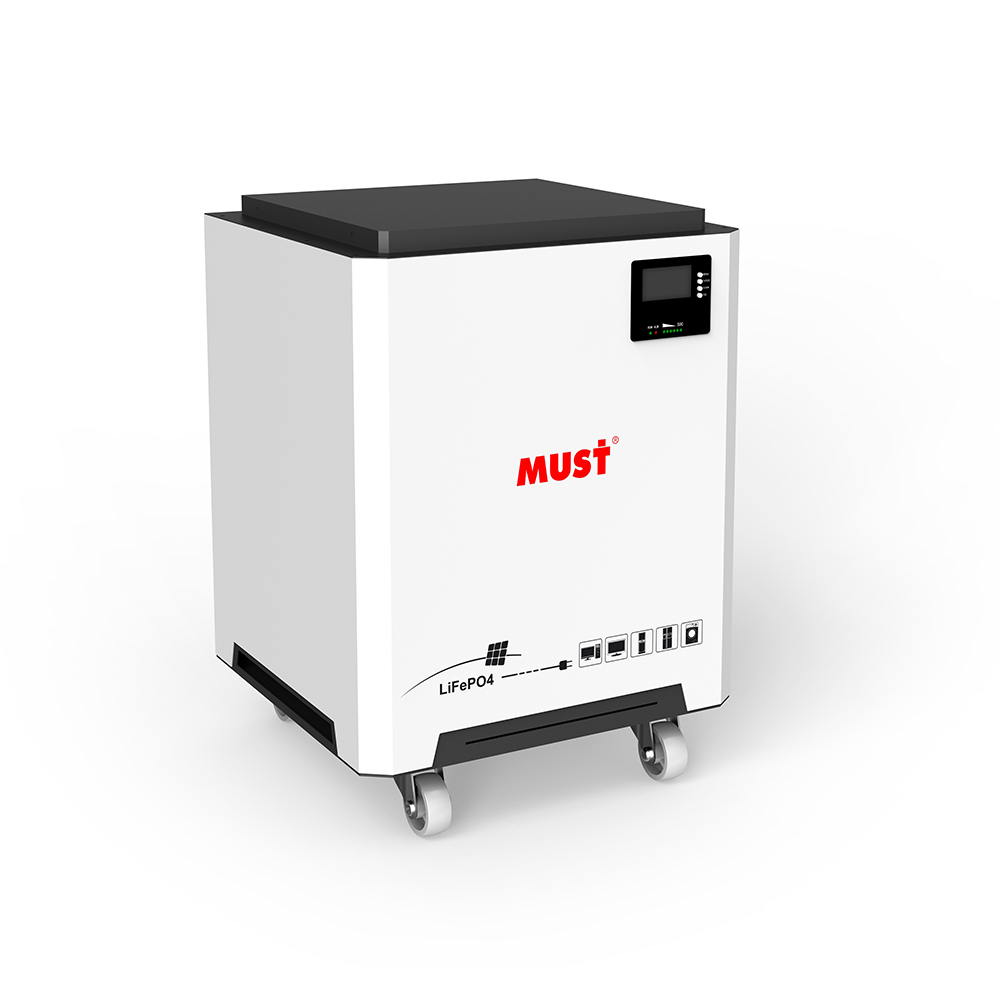
- 48V / 51.2V Nominal Voltage
- 6000+ Deep Cycle Lifespan
- Smart CAN/RS485 Protocol Integration
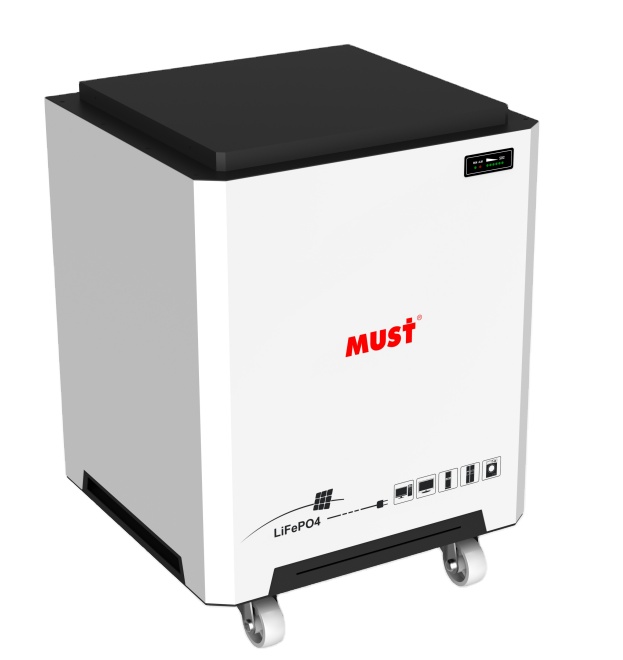
- Stackable High-Density Modular Design
- High-Safety LiFePO4 Cells
- Zero-Maintenance Residential Storage

- Integrated Off-Grid Inverter & BMS
- 3.2kWh / 5.1kWh Internal Energy Storage
- Sleek Home Wall-Mount Form Factor

- 7000+ Extended Duty Cycles
- IP65 Enclosure with WiFi Monitoring
- 10-Year Factory Warranty Coverage
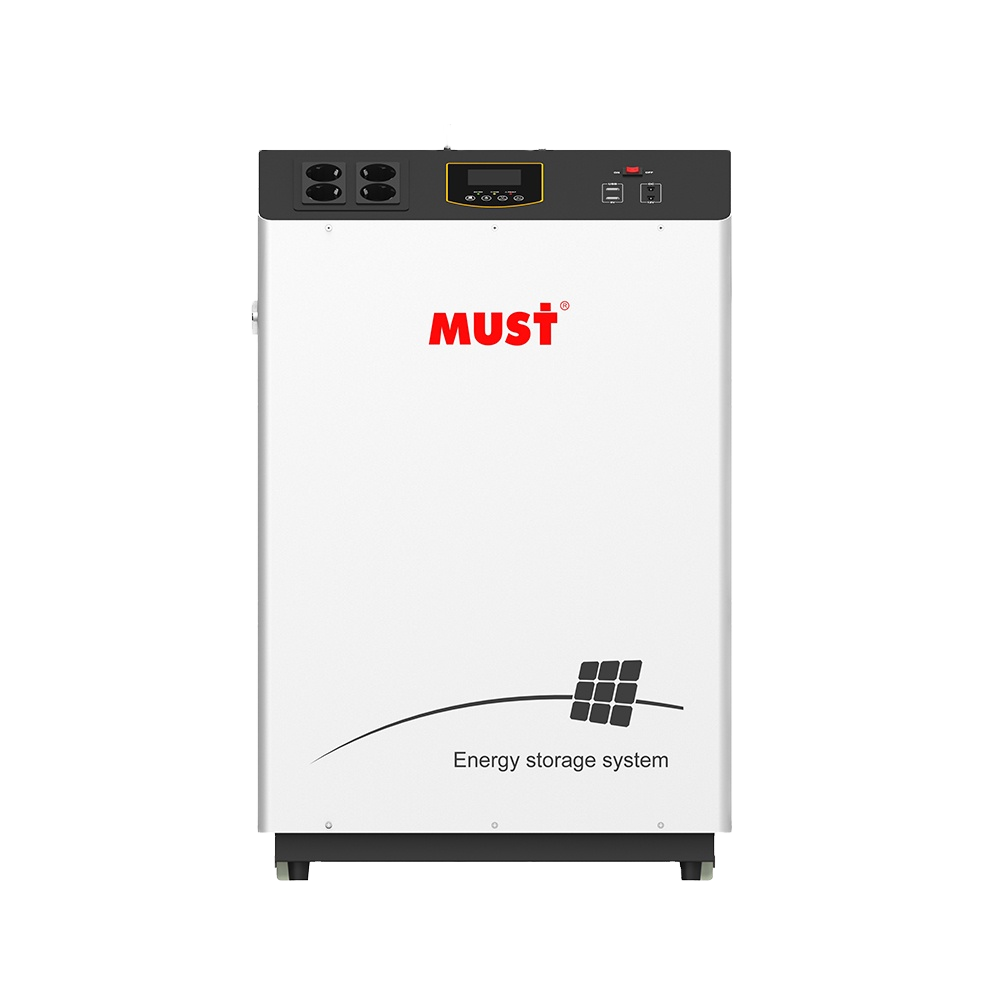
- Batteryless-Operation Capable Architecture
- Integrated 80A / 100A MPPT Controller
- High-Surge Pure Sine Wave Inverter
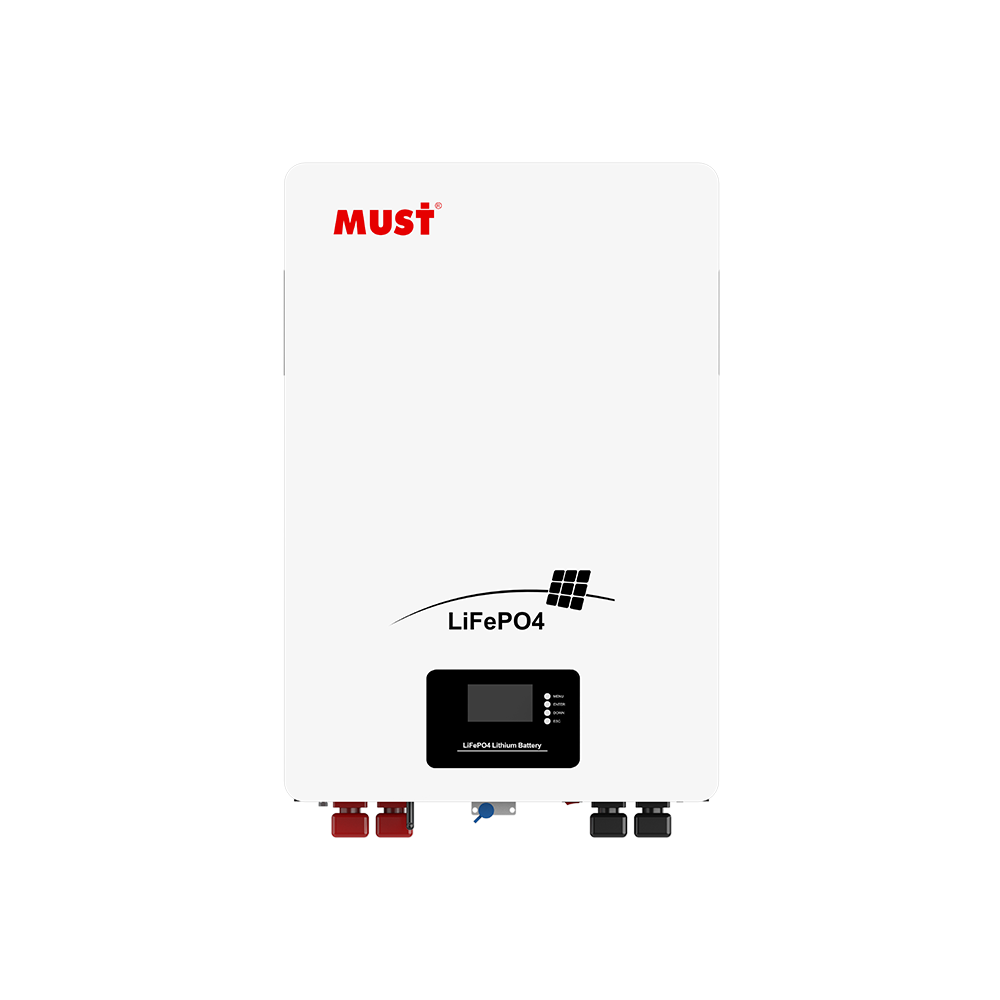
- Multi-Inverter BMS Protocol Switch
- Parallel Expansion Up to 15 Units
- Active Cell Balancing Protection
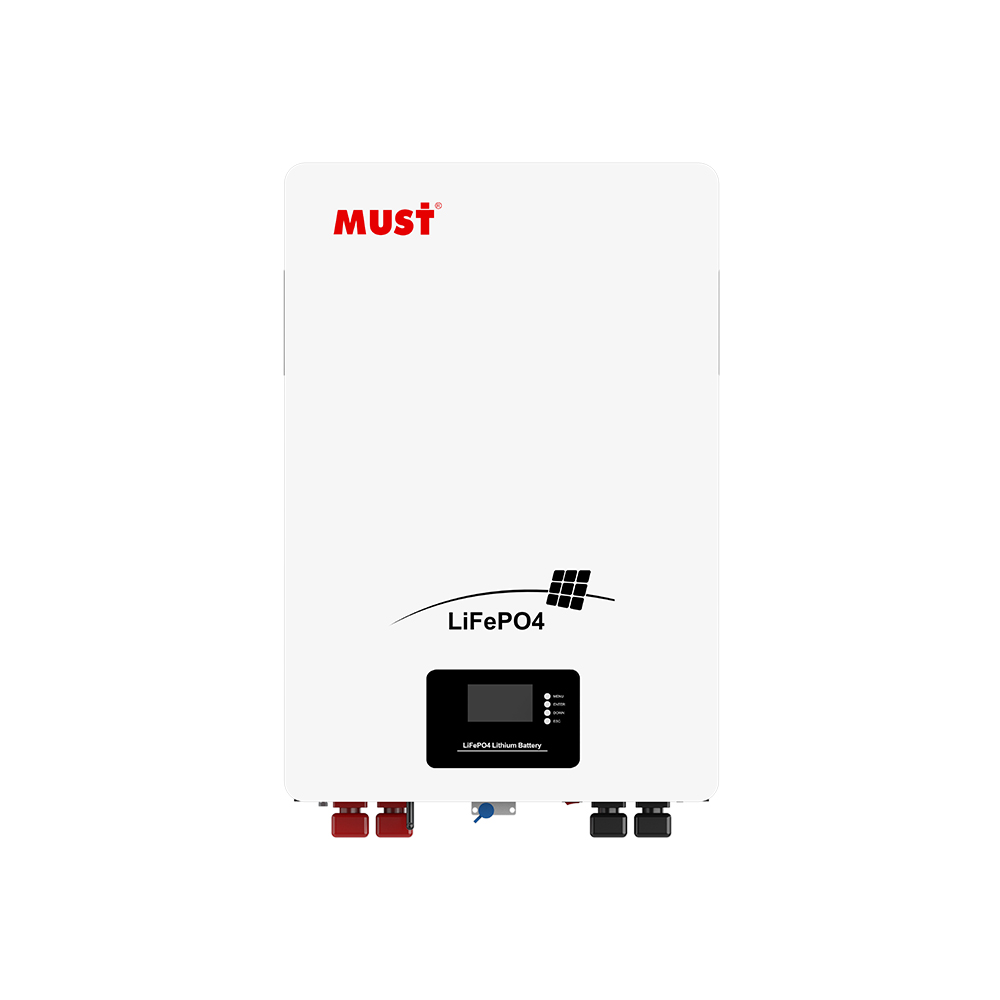
- EU Stocked for Instant Wholesale Delivery
- 6000 Cycle Grade-A Automotive Cells
- Compatible with All Major Hybrid Inverters

- UN38.3 & CE Certified Safety Standard
- Flexible Modular Capacity Scalability
- Ideal for Off-Grid Power Conversion
1. Executive Technical Overview: The Rise of Batteryless Solar Inverters
In the rapidly evolving global solar market, initial capital expenditure (CAPEX) remains the single largest friction point for residential micro-grids, commercial solar adoption, and telecommunication power infrastructure. Historically, off-grid power conversion required heavy chemical battery banks (lead-acid or energy-dense LiFePO4) to buffer transient solar irradiance and supply steady voltage to AC loads. However, chemical storage adds up to 40%–60% of total system acquisition cost, requires periodic cell balancing or replacement, and introduces thermal management complexities in harsh tropical environments.
As a premier China wholesale batteryless solar inverter manufacturer and OEM/ODM engineering powerhouse, CJH Energy (Guangdong Tech Co., Ltd.) has engineered advanced high-voltage MPPT power topology that allows solar inverters to operate reliably without connected chemical batteries. By converting high-voltage DC directly from photovoltaic strings (up to 450VDC - 500VDC open-circuit voltage) into pure sine wave AC electricity, batteryless solar inverters drive heavy inductive and resistive loads during daylight hours with maximum efficiency.
Direct PV-to-Load Conversion
Powers connected household appliances or industrial machines directly from sunlight, bypassing battery round-trip energy losses entirely.
Capex Minimization
Reduces upfront installation expenses by eliminating mandatory initial battery purchases, enabling modular upgrade paths for end-users.
Utility Grid & Generator Blending
Dynamically blends solar energy with incoming AC utility grid or diesel generator power when solar irradiance experiences transient cloud shading.
Batteryless power architecture serves as an optimal solution for agricultural water pumping, daylight operational commercial offices, daytime cold-storage facilities, and weak-grid regions suffering from scheduled daily load-shedding. When grid utility is active, the inverter utilizes solar power first to minimize electric bills; when grid utility fails, solar power directly sustains critical daytime loads without relying on battery discharge.
2. Engineering Architecture of Batteryless Inverter Topology
Conventional low-voltage off-grid inverters rely on low-voltage (12V, 24V, or 48V) DC busbars. When solar input voltage is stepped down to 48VDC before being stepped up to 230VAC, massive copper wiring losses and heavy iron-core transformer heat dissipation lower total conversion efficiency to below 85%.
In contrast, CJH Energy's high-frequency batteryless solar inverters (such as the HBP-1800 HM, PV1800 PRO, and PH1800 PRO series) utilize ultra-wide high-voltage MPPT trackers ranging from 120VDC to 450VDC (with a maximum VOC of 500VDC). By operating at a high DC bus voltage, current throughput is dramatically minimized, reducing internal thermal stress, allowing smaller cabling cross-sections, and boosting peak power conversion efficiency to 93% – 98%.
| Architecture Parameter | High-Voltage Batteryless Inverter | Traditional Low-Voltage Off-Grid Inverter | Standard Hybrid Inverter (Battery Required) |
|---|---|---|---|
| PV Input Voltage Range (VOC) | 120 VDC – 500 VDC (High String Voltage) | 30 VDC – 145 VDC (Low String Voltage) | 150 VDC – 500 VDC |
| Battery Requirement for Booting | Zero (Starts & operates directly on PV) | Mandatory (Must detect 12V/24V/48V bus) | Mandatory on early series; Optional on premium |
| Peak Power Conversion Efficiency | 93% – 98% (Transformerless DSP design) | 82% – 88% (Heavy low-frequency iron core) | 94% – 97.6% |
| Solar String Cabling Requirement | Thin solar cables (Low current, high voltage) | Thick copper cables (High current, low voltage) | Standard solar cabling |
| Upfront CAPEX Sourcing Cost | Lowest (No battery cost required at startup) | Medium (Requires immediate battery bank) | Highest (Inverter + High-voltage Lithium bank) |
| System Expandability | Plug & Play LiFePO4 connection anytime | Rigid battery voltage matching mandatory | Modular storage expansion capable |
Dynamic Energy Balance and Bus Stabilization Algorithm
Operating an AC output line directly from fluctuating solar power without an energy storage buffer requires millisecond-level Digital Signal Processor (DSP) regulation. When a high-power inductive load—such as a 1.5 HP inverter air conditioner or a water submersible pump—starts up, it draws a surge current 3 to 5 times its nominal rating.
CJH Energy’s proprietary firmware integrates Real-Time Dynamic Load Sensing. If solar panel input experiences sudden cloud shading during heavy load operation, the inverter seamlessly pulls compensating current from the auxiliary AC utility input within 10 milliseconds, preventing output voltage sagging or appliance resets. Should utility power be disconnected, the inverter dynamically throttles non-essential load channels to maintain voltage frequency stability (50Hz/60Hz pure sine wave output with <3% Total Harmonic Distortion).
3. Future Procurement & Sourcing Trends in Global Solar Wholesale (2025–2030)
As a global B2B buyer, procurement manager, or renewable energy importer, remaining ahead of technological adoption cycles is vital for inventory liquidity and margin protection. Analysis of market intent across Europe, Latin America, Sub-Saharan Africa, Southeast Asia, and the Middle East highlights five critical procurement shifts:
Trend 1: Shift Toward "Battery-Optional" Inverter Inventory
Distributors are transitioning away from stocking single-purpose off-grid units. Importing batteryless-compatible hybrid inverters allows wholesalers to sell the exact same SKU to two distinct buyer personas: (1) Cost-sensitive customers seeking immediate daylight solar savings without battery purchase, and (2) Premium customers purchasing complete turnkey LiFePO4 battery storage systems.
Trend 2: Multi-Protocol Smart BMS Integration (CAN/RS485/WiFi/GPRS)
Proprietary closed-loop communication between inverters and batteries causes massive installation friction. Modern procurement requirements demand open-architecture BMS protocol switching. CJH Energy inverters come pre-loaded with communications protocols matching top battery brands (including BYD, Pylontech, Growatt, MUST, Deye, and custom CAN/RS485 matrix software), selectable directly via the LCD menu.
Trend 3: High PV Input Voltage (450VDC - 500VDC) Over Low Voltage Strings
Commercial installers prefer connecting 8 to 12 solar panels in a single high-voltage series string rather than running multiple parallel panel combinations with combiner boxes and thick wiring. Sourcing high Voc batteryless inverters reduces overall installation labor hours by up to 35% and minimizes system point-of-failure risks.
Trend 4: Compliance with Grid Zero-Export & Rapid Shutdown Mandates
Grid operators worldwide are enforcing strict zero-export regulations to prevent unmonitored solar back-feeding into local distribution lines. Next-gen batteryless hybrid inverters feature internal current transformer (CT) sensor feedback to instantaneously match solar generation to site consumption, ensuring zero grid export compliance without external meters.
4. Enterprise Manufacturing Strengths & OEM/ODM Capabilities
Evaluating a manufacturer under Google’s E-E-A-T guidelines requires verified proof of production scale, quality control rigor, and engineering expertise. CJH Energy (Guangdong) Tech Co., Ltd. stands as a fully verified, custom manufacturer headquartered in Shenzhen with advanced production facilities covering over 31,056 m².
31,056 m² Manufacturing Plant
Houses state-of-the-art automated Surface Mount Technology (SMT) lines, DIP insertion lines, and computerized transformer winding stations.
TÜV Rheinland Verified
On-site audit verified by TÜV Rheinland. Fully compliant with ISO 9001 (Quality), ISO 14001 (Environmental), and ISO 45001 (Occupational Safety).
80+ Senior R&D Engineers
Dedicated hardware and software engineers specializing in custom firmware parameters, chassis industrial design, LCD localized language UI, and OEM silk-screening.
Rigorous Quality Assurance & Full-Load Burn-In Testing
Every single inverter unit produced in our facility undergoes a strict 4-step quality control pipeline:
- 1. Incoming Quality Control (IQC): 100% testing of critical semiconductors (Infineon/IR MOSFETs, IGBT modules, DSP chips, and high-temperature capacitors).
- 2. In-Process Quality Control (IPQC): Automated optical inspection (AOI) of SMT solder points and high-voltage insulation dielectric testing.
- 3. 100% Full-Power Burn-In Aging: Every inverter runs under high-temperature chamber conditions at 100% rated capacity for 4 to 12 hours continuous duty.
- 4. Outgoing Quality Control (OQC): Final simulation of batteryless start-up, grid utility transfer, MPPT tracking speed, and short-circuit protection response.
Global Service Hubs & Overseas Logistics Support
To streamline regional fulfillment and reduce overseas warranty turnaround times, CJH Energy has established direct subsidiary offices and regional stocking warehouses across key international markets:
European Logistics Hub (Warsaw, Poland)
Operates localized warehouse stock of 10kWh LiFePO4 wall powerwalls, tower lithium banks, and hybrid inverters, providing 48-hour delivery across EU member states.
Middle East & Africa Hubs (Dubai, SA, Egypt)
Dedicated technical assistance centers offering localized engineering support, spare parts inventory, and direct rapid-response warranty handling.
5. Frequently Asked Questions (FAQ) for Solar Buyers & Wholesalers
Below are technical and operational answers to common questions raised by EPC contractors, importers, and brand owners seeking custom wholesale manufacturing partnerships.
How does a batteryless solar inverter operate during sudden cloud cover?
Our batteryless inverters utilize dual-power input blending architecture. If solar panel generation drops due to cloud cover, the DSP controller dynamically draws the missing energy fraction from the AC grid or auxiliary diesel generator within 10 milliseconds. If no AC input is connected, the inverter prioritizes output to essential loads or shuts down gracefully without damaging connected appliances.
What is the advantage of high PV input voltage (450VDC-500VDC) over low-voltage inverters?
High PV input voltage allows 8 to 12 solar modules to be wired in a single series string, keeping current low (typically <18A). This drastically reduces DC copper wiring diameter requirements, eliminates costly outdoor PV combiner boxes, minimizes heat dissipation, and allows the MPPT charge controller to initiate energy conversion earlier in the morning and later into the evening.
Can we order custom OEM branding, colors, and customized firmware?
Yes. As a direct factory manufacturer, CJH Energy provides comprehensive OEM/ODM customization. This includes custom metal enclosure colors, silkscreen logos, customized carton packaging, specific default factory voltage settings, custom LCD user interfaces, and tailored BMS communication protocols for specialized lithium battery packs.
How do I determine whether to specify a 12V, 24V, 48V, or Batteryless High-Voltage system?
As a standard rule of thumb: 12V systems suit light portable/RV loads below 1kW; 24V systems suit residential applications from 1kW to 3kW; 48V systems are recommended for 3kW to 10kW residential installations to optimize current efficiency. High-Voltage Batteryless systems are ideal when the end-user wants to bypass initial battery investment or when powering daylight-only agricultural or commercial loads.
What certifications are available for international grid compliance and safety?
Our manufacturing facility operates under ISO 9001, ISO 14001, and ISO 45001 management systems. Product series carry CE, IEC 62109-1/-2, EN 61000 EMC standards, UN38.3, and MSDS certifications for battery logistics. Full model-specific test certificates can be provided upon request by our sales engineering team prior to sample orders.
What is the Minimum Order Quantity (MOQ) and lead time for wholesale orders?
Standard CJH/MUST brand units are available with low MOQs for sample testing (as low as 1 to 5 units). Custom OEM branding orders typically start at 50 to 100 units depending on chassis customization requirements. Production lead time ranges from 15 to 25 days, with fast-ship inventory accessible directly from our Warsaw, Poland warehouse for European clients.
Accelerate Your Wholesale Solar Business Today
Partner directly with China's leading batteryless solar inverter manufacturer. Request engineering datasheets, factory wholesale pricing, or arrange an on-site / live video audit of our production line.
