The B2B Procurement Landscape for Chinese Solar Battery Manufacturing
As global power grids undergo rapid decarbonization and decentralization, the industrial demand for bankable, high-cycle, and thermally resilient solar battery storage systems (BESS) has escalated exponentially. China has solidified its position as the world's primary manufacturing hub for Lithium Iron Phosphate (LiFePO4) energy storage solutions, producing over 85% of global battery cells and integrated pack assemblies. However, for B2B importers, EPC contractors, and regional distributors, navigating the tiering of Chinese battery manufacturers requires rigorous evaluation of cell chemistry quality, Battery Management System (BMS) protocol integration, safety compliance certifications, and total landed cost economics.
This whitepaper provides an authoritative analysis of China's top solar battery storage manufacturing ecosystem. Backed by real-world factory audit standards (ISO 9001/14001/45001, TÜV Rheinland validation) and direct engineering metrics, this guide dissects technological roadmaps, procurement pitfalls, and future storage trends to empower global buyers with strategic procurement clarity.
Featured Industrial & Residential Solar Battery Storage Systems
Factory-direct tier-1 LiFePO4 battery packs, stacked energy storage, and portable stations engineered for global weak-grid & off-grid reliability.
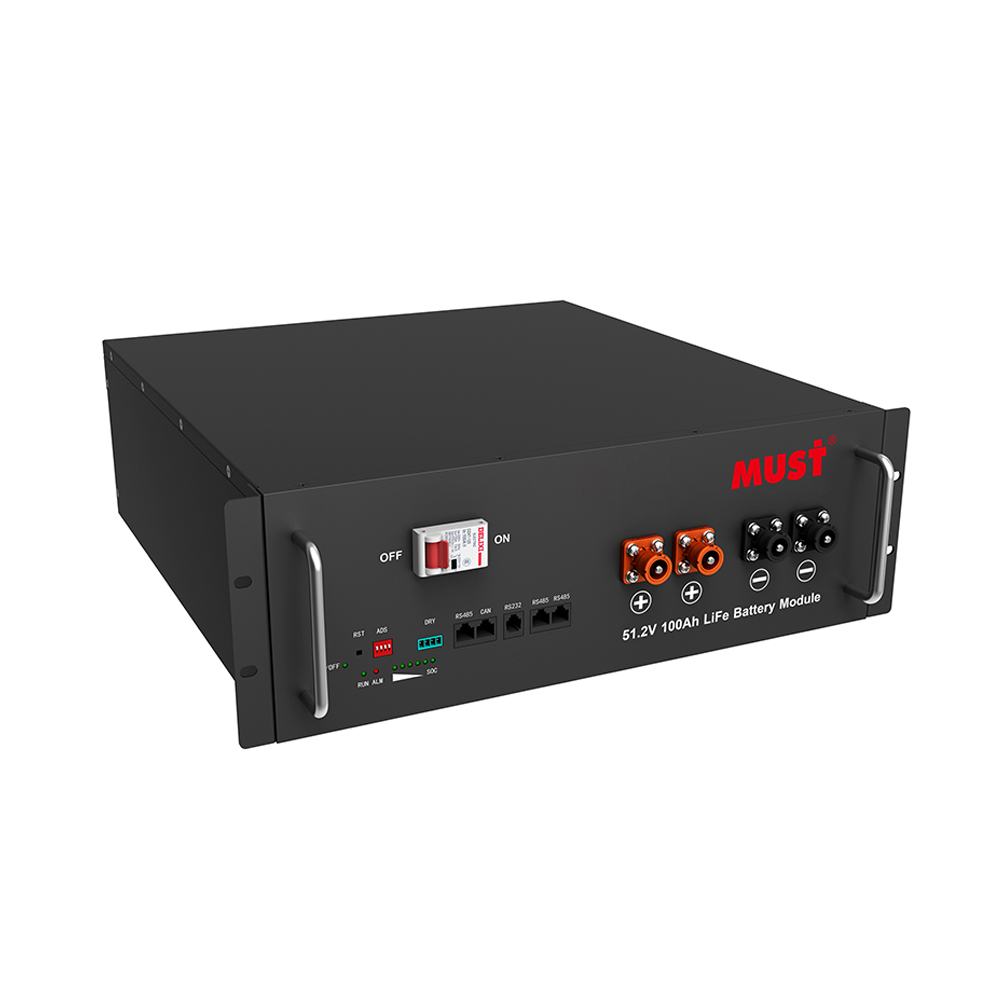
LP16-48100 LiFePO4 Battery Pack 5 Years Life CE Certified
- Nominal Voltage: 48V / 51.2V
- Capacity: 100Ah (5.12kWh)
- Cycle Life: 6000+ Cycles @ 80% DOD
- Protocol: CAN / RS485 Multi-Inverter

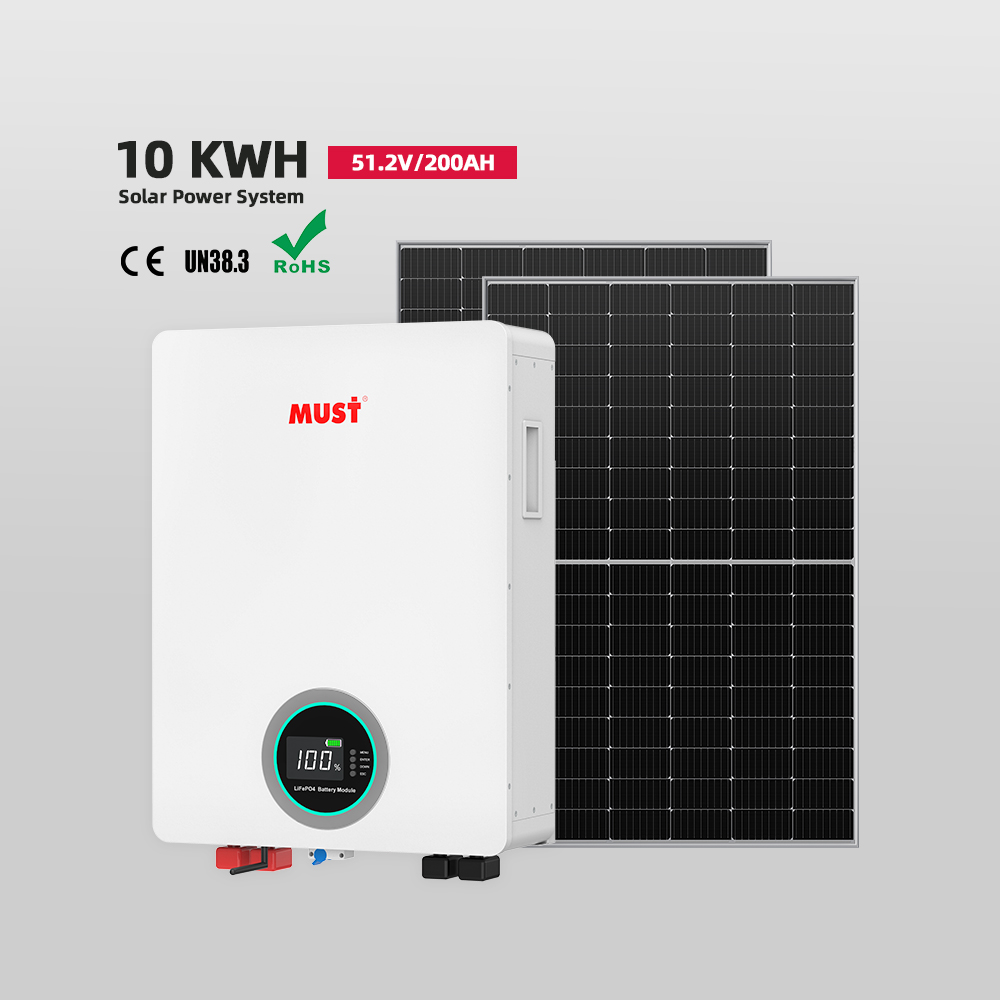
10kWh 48V 200Ah 3-in-1 Wall/Stacked Lithium Battery
- Capacity: 10.24kWh (48V 200Ah)
- Mounting: Wall-Mounted / Stacked / Rack
- BMS Protection: Overcharge/Thermal/Short
- Certification: CE, UN38.3, MSDS
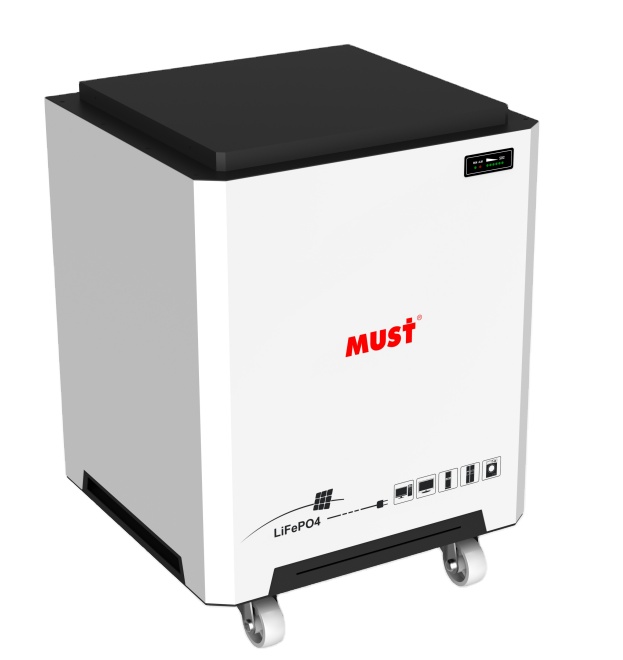
MUST 51.2V 200Ah Modular Tower Lithium System
- Scalability: 5kWh / 10kWh / 15kWh / 20kWh
- High Voltage Option: High-efficiency tower
- Cell Grade: Tier-1 Prismatic LFP
- Smart Monitoring: LCD & Remote App
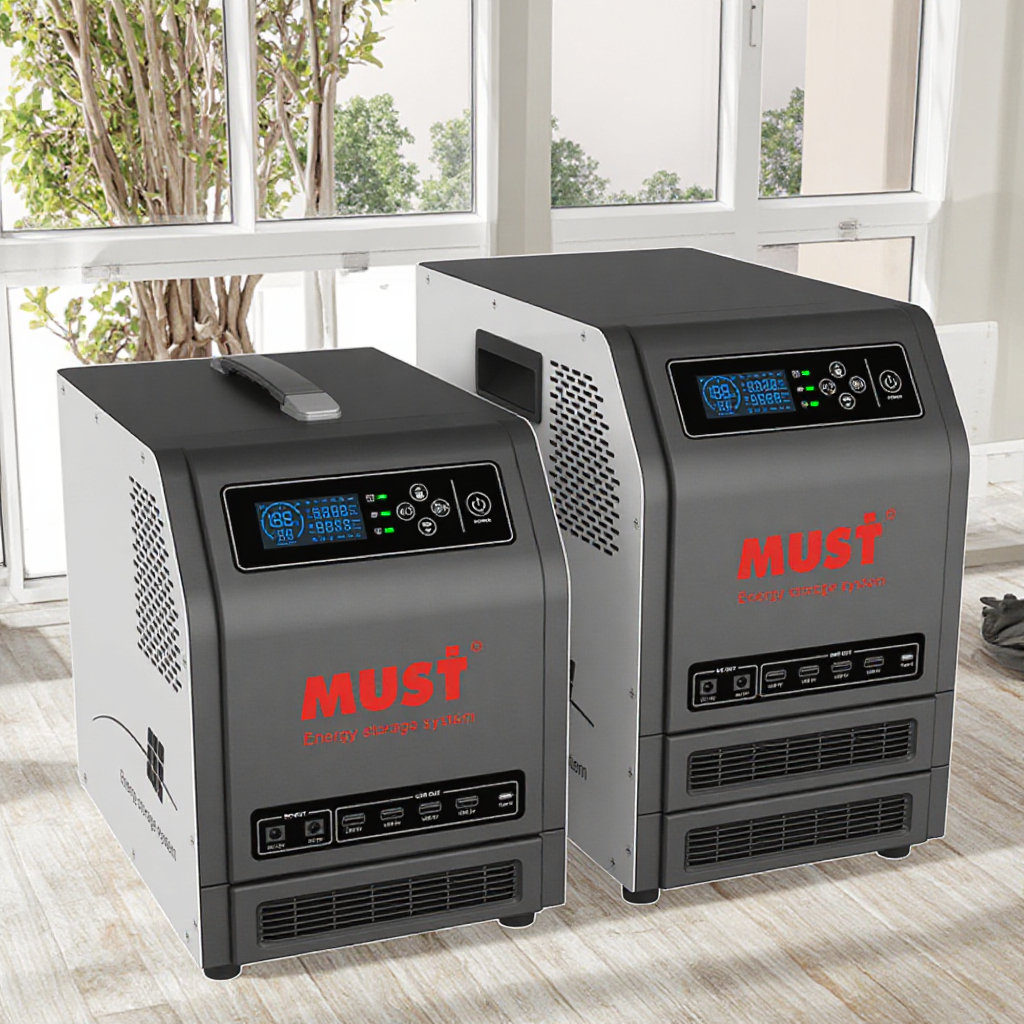
Portable Power Station 1kW / 2kW / 3kW Generator
- Output: Pure Sine Wave 1000W-3000W
- Battery: Long-life LiFePO4 core
- Controller: Integrated MPPT Solar Charge
- Application: Mobile Office & Emergency
IP65 Outdoor 48V 100Ah 5kWh Wall Battery
- Protection Rating: Waterproof IP65 Enclosure
- Communication: CAN / RS232 / RS485
- Working Temp: -20°C to 60°C
- Inverter Match: Deye, Growatt, Victron, SMA

EU Stock 48V 100Ah/200Ah Home Lithium Battery
- Shipment: Quick Delivery from EU Warehouse
- Management: Hardware & Software Dual BMS
- Parallel Expansion: Up to 15 Units Stackable
- Warranty: 5-10 Years Manufacturer Backed
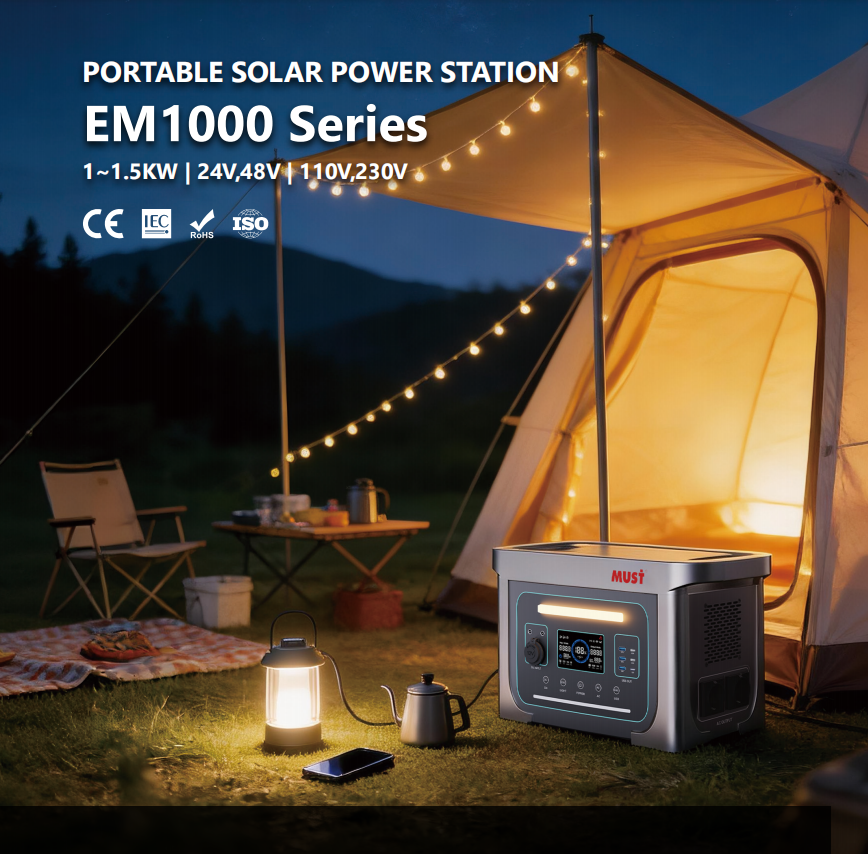
MUST All-in-One Portable Power Station EM1000S
- Capacity: 1000W / 1000Wh Ultra-Compact
- Charging: AC Grid + Solar PV Fast Charge
- Display: Real-time Wattage & Battery SoC
- Design: Ergonomic Plug & Play Unit

LP2800 Series 48V LiFePO4 7000+ Cycles System
- Cycle Life: Premium 7000+ Cycles Grade
- Connectivity: Wi-Fi / CAN / RS485 Built-in
- Protection: IP65 Outdoor Metal Shell
- Warranty: 10-Year Extended Warranty
Solar Battery Technology Matrix: Engineering Analysis & Evolution
Selecting the appropriate energy storage architecture requires an understanding of electrochemical trade-offs, BMS communications, and thermal dynamics. The industry has decisively shifted away from legacy lead-acid (AGM/Gel) chemistries toward Lithium Iron Phosphate (LiFePO4 / LFP) due to its thermal stability, non-toxic composition, and low total cost of ownership (TCO).
1. LFP vs. Sodium-Ion (Na+) vs. Solid-State Roadmaps
While LiFePO4 remains the dominant chemistry for stationary solar storage, Chinese manufacturers are pioneering parallel chemical platforms to address specific temperature and supply chain challenges:
| Technology Platform | Energy Density | Cycle Life (80% DOD) | Low Temp Performance (-20°C) | Commercial Maturity | Target B2B Application |
|---|---|---|---|---|---|
| LiFePO4 (LFP Prismatic) | 160 – 185 Wh/kg | 6,000 – 8,000 Cycles | 70% Capacity Retained | Mass Production (Standard) | Residential, C&I, Telecom ESS |
| Sodium-Ion (Na-Ion) | 110 – 140 Wh/kg | 3,000 – 4,500 Cycles | 90% Capacity Retained | Early Scaling (2024-2026) | Extreme Cold Regimes & Microgrids |
| Semi-Solid State LFP | 220 – 260 Wh/kg | 10,000+ Cycles | 80% Capacity Retained | Pilot Lines (High End) | Space-constrained Commercial BESS |
2. Smart BMS Architecture & Active vs. Passive Balancing
The true lifespan of a multi-cell battery module is dictated by its Battery Management System (BMS). Cheap battery modules utilize basic passive balancing (dissipating excess charge as heat through resistors at 50mA-100mA balancing currents). Premium Chinese manufacturers integrate Active Balancing BMS operating between 2A to 5A.
- Thermal Control: Active balancing prevents localized hot spots within the battery enclosure, extending system life by 25-30%.
- Protocol Auto-Matching: Top-tier Chinese BMS firmware comes pre-flashed with dual CAN-bus and RS485 protocols, enabling automatic handshake with global hybrid inverters including Deye, Growatt, Victron Energy, SMA, Luxpower, and Solis.
- Multi-Layer Fault Isolation: Hardware MOSFETs combined with digital relays ensure instantaneous cut-off (under 10 milliseconds) in short-circuit, over-voltage, or cell temperature deviation events.
3. High Voltage (HV) vs. Low Voltage (LV) System Shift
While 48V/51.2V low-voltage systems dominate residential retrofits due to touch-safe installation protocols, commercial and large residential projects are migrating to High-Voltage Tower Systems (192V - 600V DC). Higher operating voltages reduce current throughput ($I = P/V$), which directly minimizes $I^2R$ resistive cable heat losses, shrinks copper wire gauges, and boosts inverter round-trip conversion efficiency (RTE) from ~92% up to 97.5%.
Future Procurement Trends for Global B2B Importers
Procuring energy storage products from Chinese OEMs requires looking beyond initial FOB price-per-kilowatt-hour ($/kWh). Regulatory compliance, digital traceability, and supply chain transparency are reshaping wholesale buying behaviors worldwide.
Digital Battery Passport (EU Directive)
By 2027, all batteries sold in the EU above 2kWh must carry a QR-coded passport detailing carbon footprint, supply chain origin, recycled content %, and cell health analytics. Tier-1 Chinese factories are actively integrating laser-etched QR traceability at the cell production level.
All-in-One Microgrid Integration
Importers are shifting from buying standalone battery packs to pre-wired, pre-tested All-in-One (AIO) ESS Cabinets that house the hybrid inverter, MPPT controller, LiFePO4 storage, and AC/DC distribution breakers within a single IP65 enclosure, cutting field installation time by 70%.
Cell Sourcing Transparency
Distinguish authentic Grade-A cell manufacturers (CATL, EVE, BYD, Gotion) from Grade-B or re-sorted EV automotive cells. Qualified OEM factories provide original QR data sheets and internal resistance impedance matching logs for every battery batch shipped.
Regional Hub Support & Stocking
To minimize long sea-freight lead times and support local RMA warranties, top Chinese manufacturers are establishing overseas warehouse hubs (e.g., Poland for EU, Johannesburg for Sub-Saharan Africa, Dubai for Middle East).
Enterprise Manufacturing Rigor: CJH Energy Engineering Matrix
Founded on over 20 years of continuous power electronics expertise, CJH Energy (Guangdong) Tech Co., Ltd. represents the apex of custom Chinese energy storage manufacturing. Operating out of a state-of-the-art 31,056 m² production complex employing over 1,109 skilled personnel, our enterprise delivers an annual production capacity of over 600,000 units across 10 distinct clean energy categories.
Verified Quality Management & Global Audits
Unlike pure trading entities or assembly workshops, CJH Energy undergoes rigorous annually audited manufacturing inspections. Our production lines are certified to ISO 9001 (Quality Management), ISO 14001 (Environmental Standards), and ISO 45001 (Occupational Health & Safety). Furthermore, our facilities have been audited and verified on-site by TÜV Rheinland, providing global EPCs and wholesalers with bulletproof compliance assurance.
Dedicated R&D staff specializing in custom hardware design, firmware protocol adaptations, custom metal enclosure stamping, and thermal modeling.
Holding multiple national invention patents in high-frequency power conversion, MPPT tracking algorithms, and BMS safety circuitry.
Complete customization options covering silk-screen branding, custom packaging, localized UI languages, and CAN/RS485 protocol matching.
Frequently Asked Questions (Procurement & Engineering FAQ)
Direct engineering and commercial answers to common questions raised by solar importers, EPC contractors, and brand distributors during technical audits.
Partner with China's Leading Solar Battery Factory
Direct factory pricing, verified TÜV Rheinland manufacturing quality, Tier-1 Grade-A LiFePO4 cells, and complete OEM/ODM technical support for your brand.
