Featured Industrial Inverters & Battery Storage Units
Wholesale flagship models optimized for residential microgrids, weak-grid stabilization, commercial backup, and off-grid utility infrastructure.
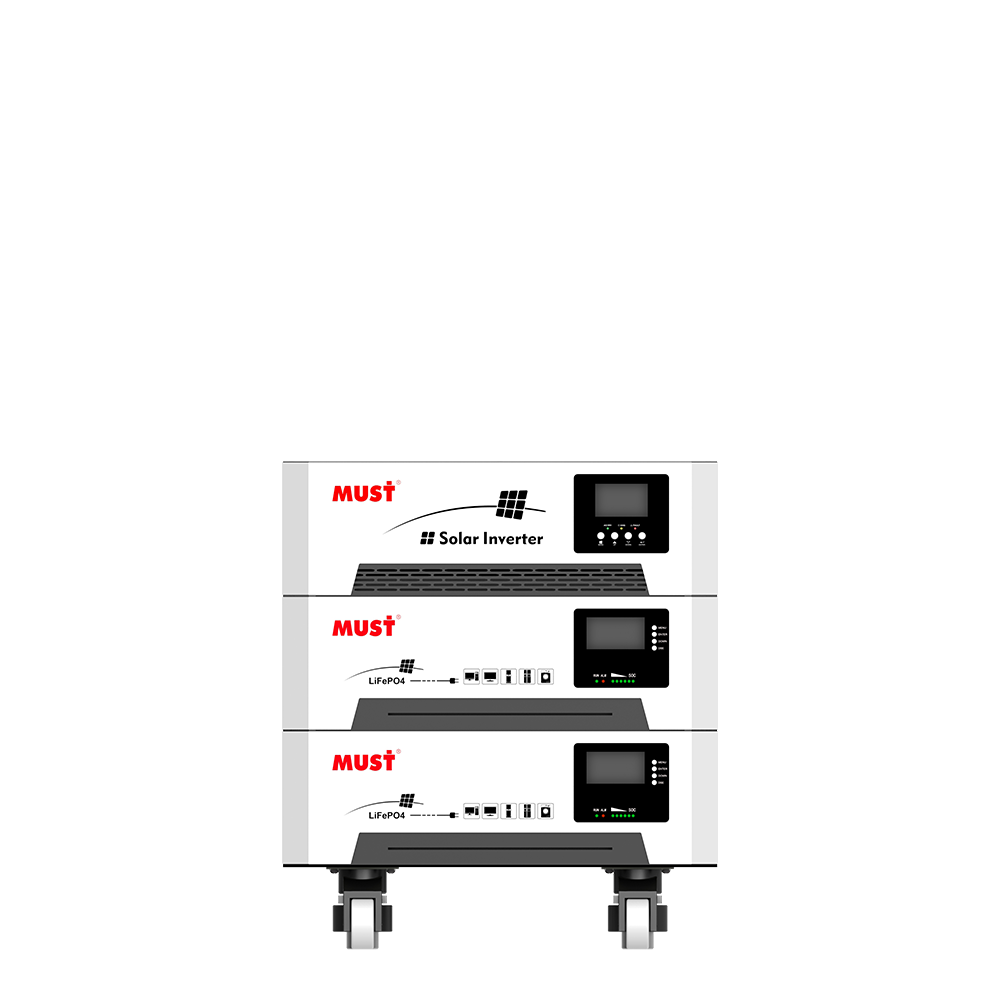
For MUST Solar Power Station LifePO4 Battery Wireless Charging MPPT Controller for Ukraine
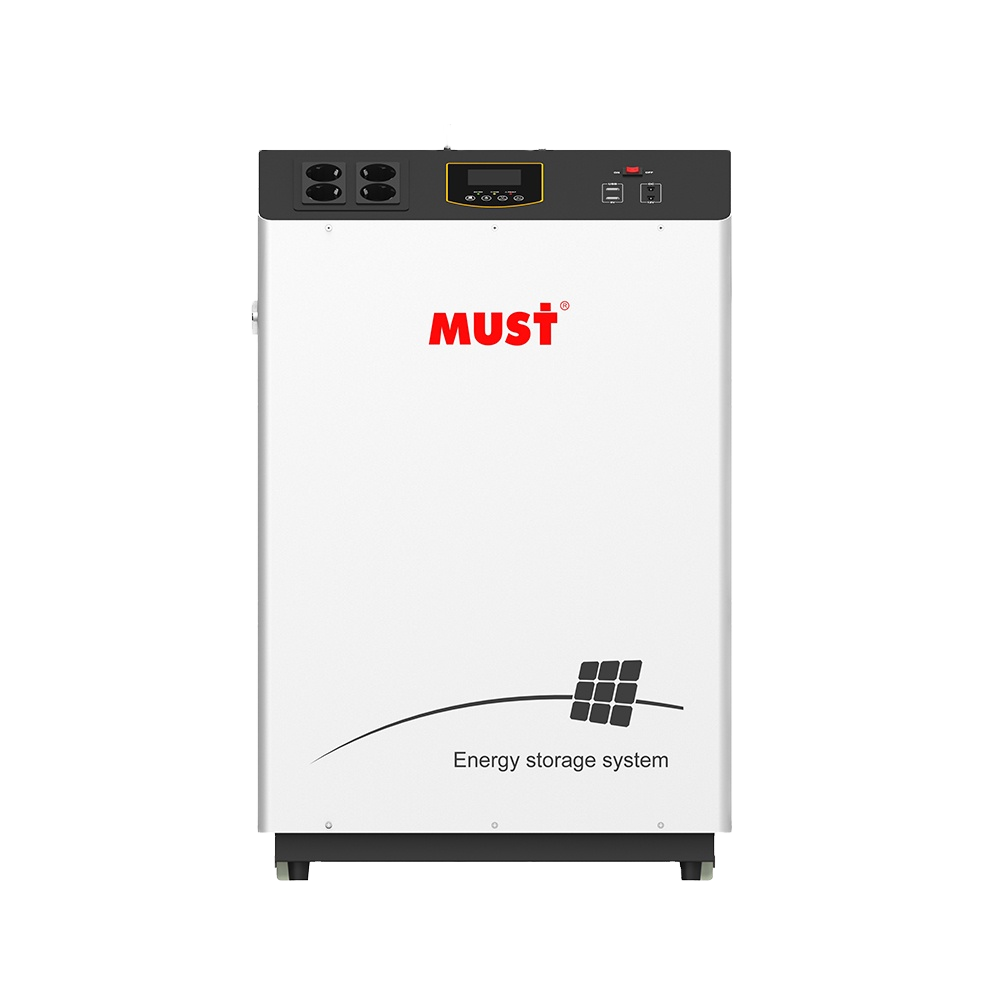
For HBP 1800 HM 48V 200Ah Lithium Battery 2KW 3KW 4KW 5.2KW Hybrid MPPT Solar Inverter Home Solar Power Generator
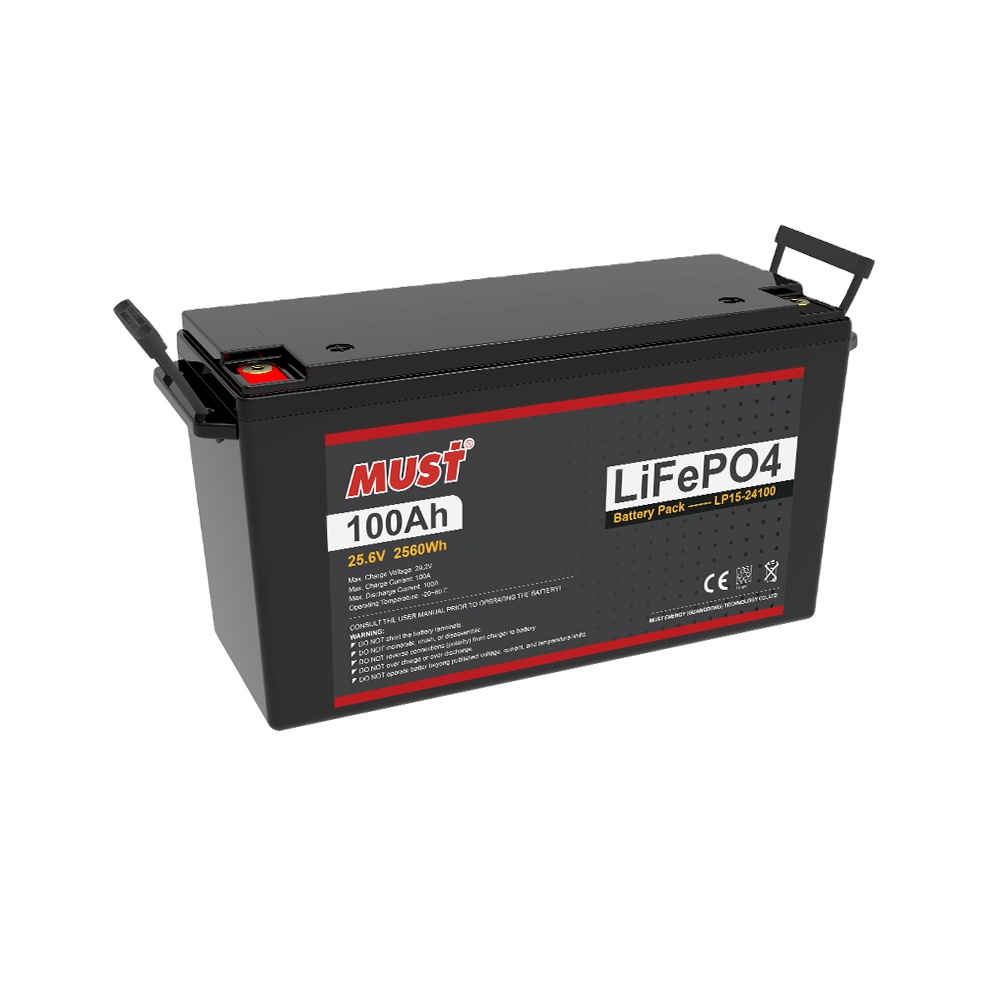
For Brand Lifepo4 Lithium Ion Battery 25.6V 2560Wh BMS 5-Year Warranty 6000 Cycles Model LP15-24100 for Home Storage System
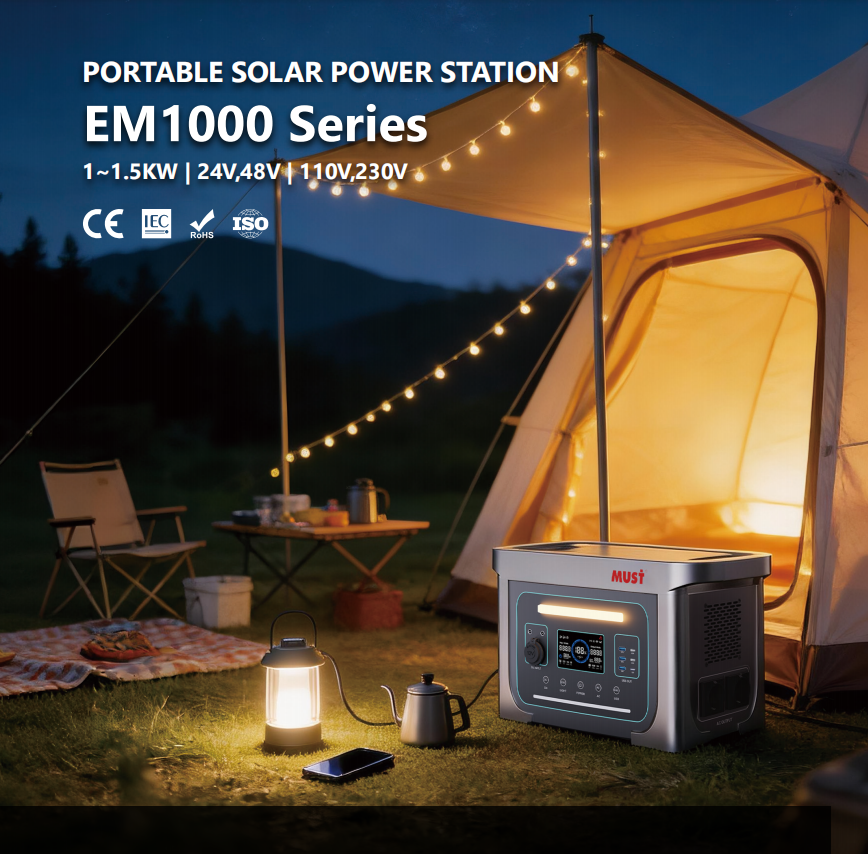
MUST Portable Power Station & All in One Product-EM1000S
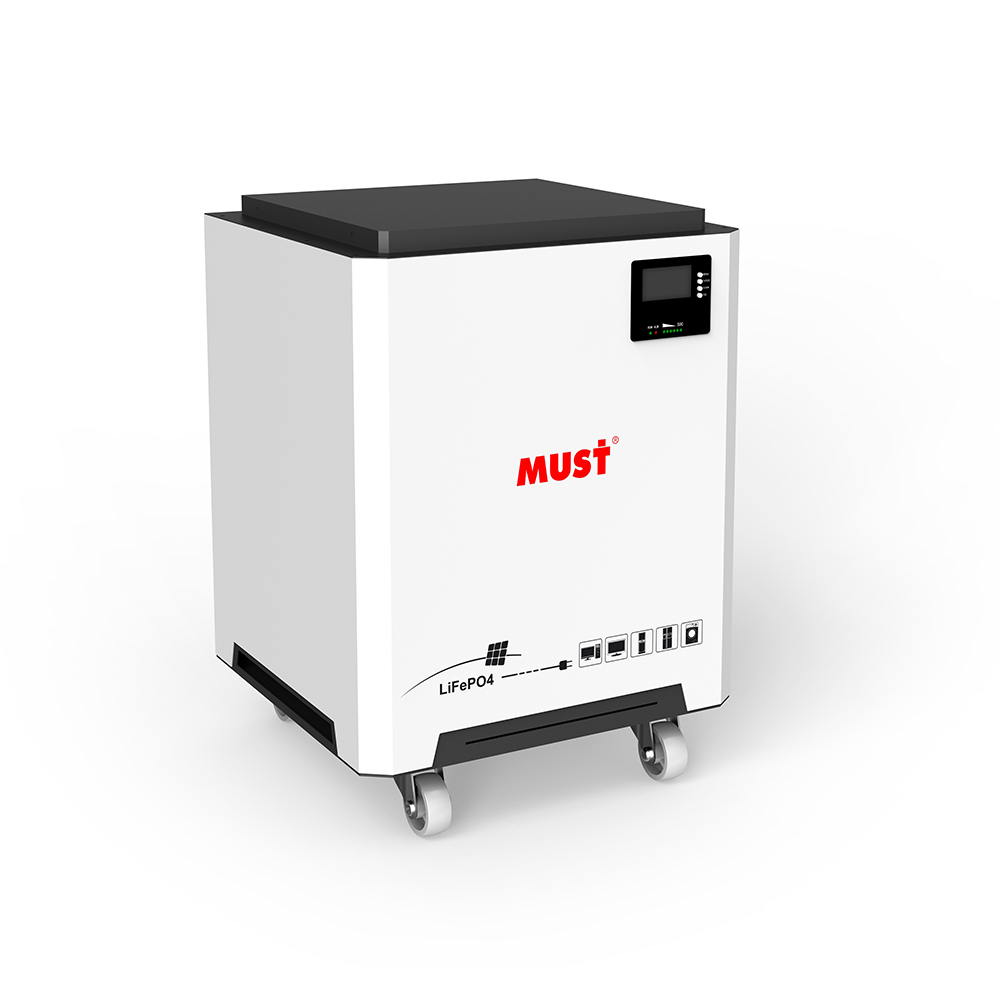
Must Rechargeable 10kw LiFePO4 Lithium Battery 48V 50AH 200AH 300AH Li Ion Battery Pack Solar Storage System
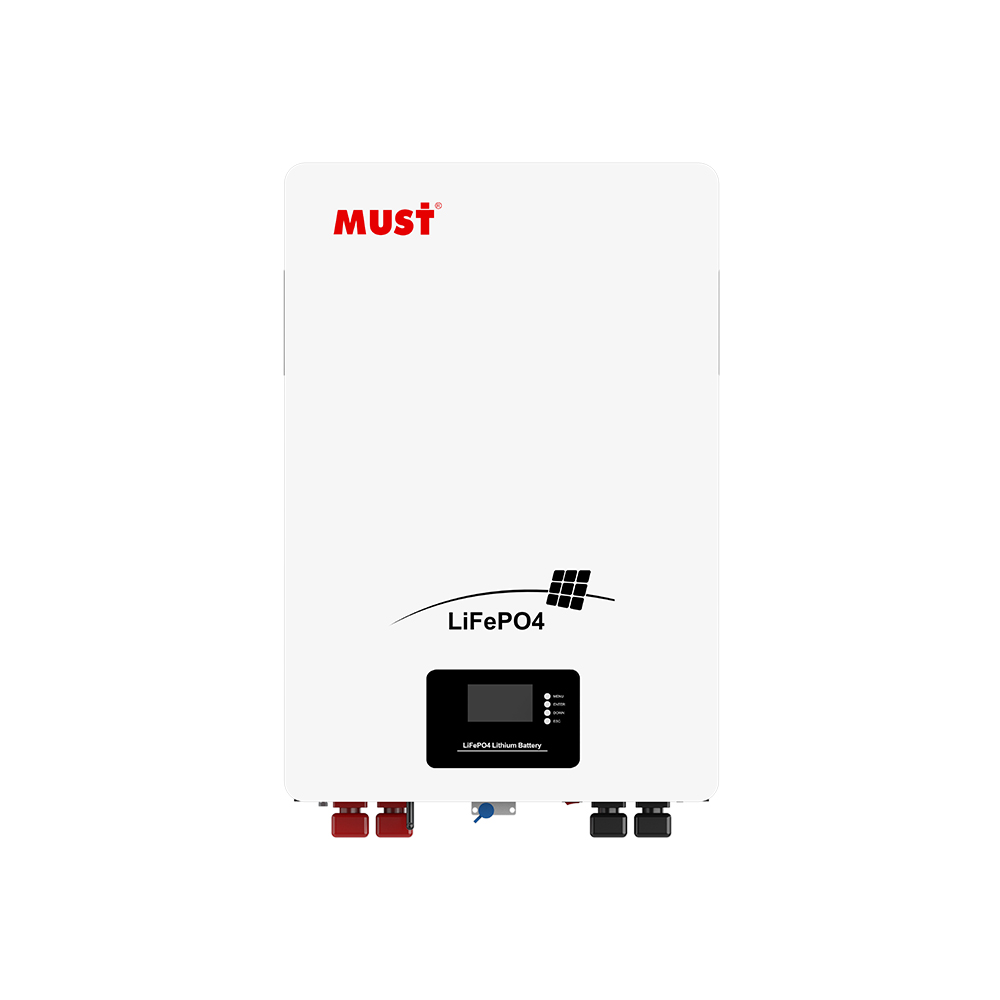
Poland Warehouse 10KWh LiFePO4 Energy Storage Battery CAN RS485 RS232 Communication Hybrid Inverters LP16-48200
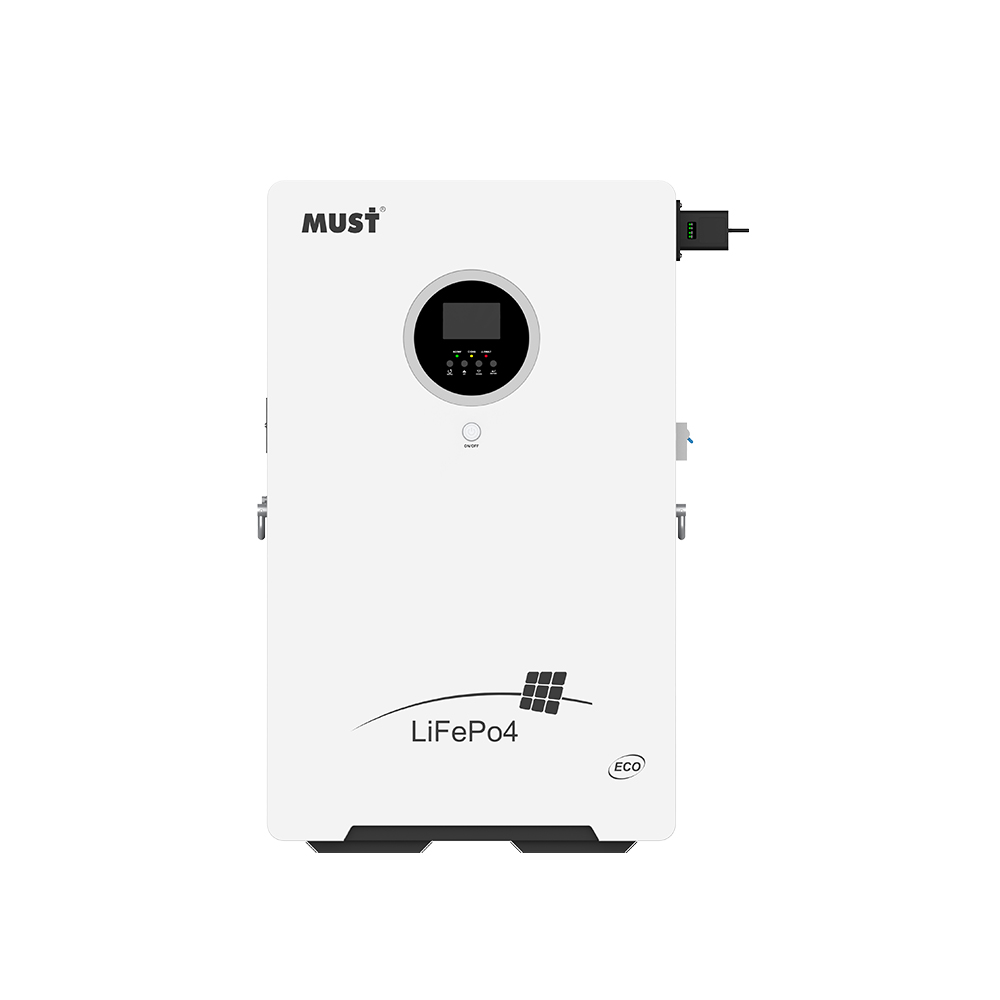
MUST Factory in Stock All in One Solar System HBP19-5548 VPM 5.5kw 3.5kw 5kwh 3kwh Off Grid Hybrid Generator
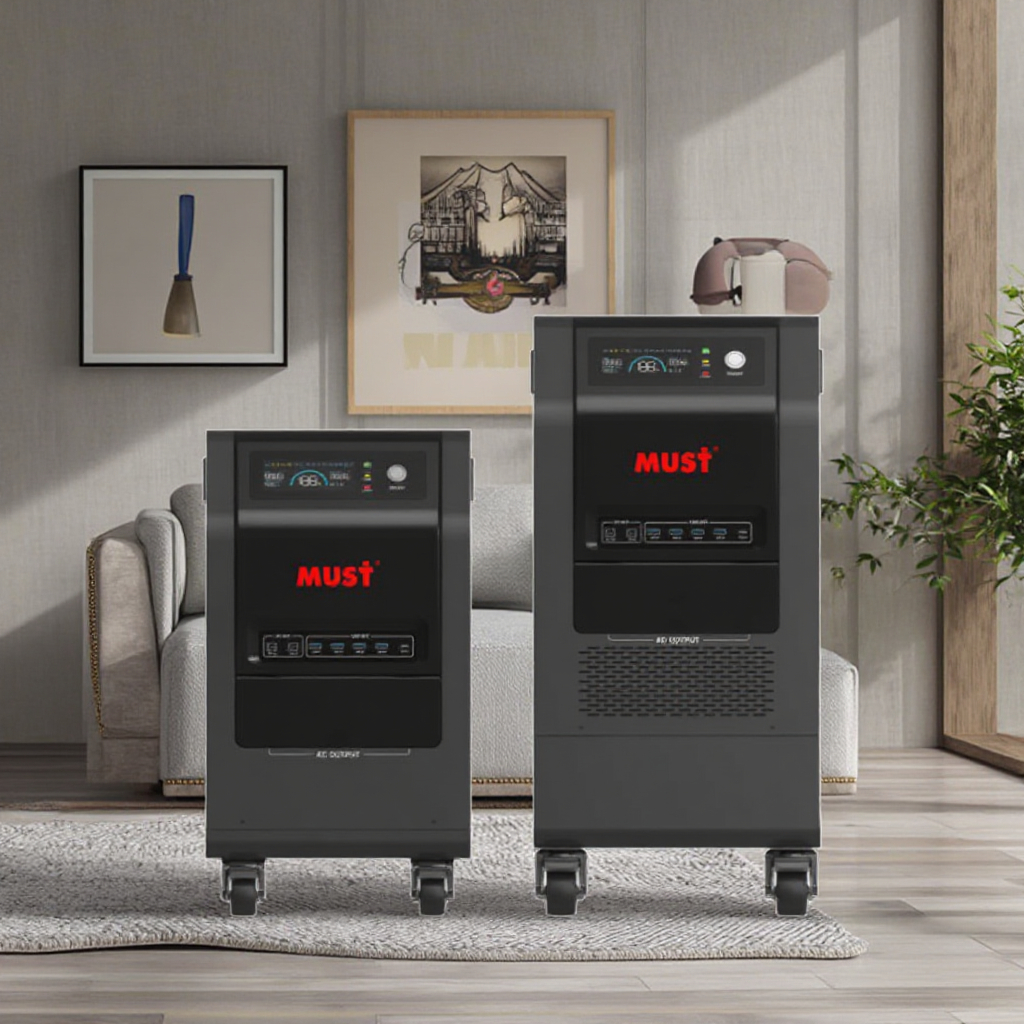
3000Wh 5000W Portable Power Station Wholesale 220V Outdoor Power Supply Generador Solar Portatil
Navigating China's Industrial Solar Inverter Ecosystem
An engineering and commercial analysis of tier-1 solar inverter manufacturing, quality assurance benchmarks, and global supply chain alignment for EPCs, distributors, and OEM buyers.
1. Global Demand Dynamics & The Strategic Role of Chinese Manufacturing
The global transition toward decentralized power generation has accelerated the deployment of photovoltaic (PV) systems, with solar inverters serving as the critical intelligence hub. As energy grids in developed markets handle variable renewable integration and emerging economies face severe load-shedding and weak-grid instabilities, procurement requirements have shifted. Modern solar inverters are no longer simple DC-to-AC conversion boxes; they are multi-mode grid-interactive management systems integrated with lithium battery storage, dynamic tariff software, and cloud telemetry.
China currently produces over 80% of the world's solar power conversion equipment. Chinese tier-1 industrial solar inverter factories—located predominantly in Guangdong power electronics hubs—offer unparalleled supply chain integration. From raw power MOSFET and IGBT sourcing to automated surface-mount technology (SMT) lines and full system aging tests, Chinese manufacturers provide the scale required to keep levelized cost of energy (LCOE) competitive while maintaining compliance with international standards such as IEC 62109, IEC 62619, CE, and UL 1741.
2. Core Inverter Topologies: Off-Grid, Hybrid, and Low-Frequency Breakdown
When evaluating industrial suppliers and factory lines, procurement officers must align equipment topology with target deployment environments. The three primary topologies dominate international wholesale channels:
Off-Grid Solar Inverters
Engineered for isolated grids and regions with persistent utility failure (e.g., Sub-Saharan Africa, Southeast Asia, Ukraine). Featuring built-in high-voltage MPPT charge controllers, pure sine wave output, and direct generator dry contact interfaces to ensure uninterrupted operation without grid connectivity.
On/Off-Grid Hybrid Inverters
Designed for markets with net metering, dynamic energy tariffs, or self-consumption mandates (e.g., Western Europe, South America). These units switch between PV generation, grid power, and LiFePO4 storage in <10ms, supporting zero-export control and automated peak-shaving.
Low-Frequency Heavy-Duty Units
Built with heavy copper toroidal transformers, low-frequency inverters deliver exceptional peak surge capacity (up to 300% rated load for 20 seconds). Essential for running heavy inductive loads such as water pumps, air compressors, and industrial machinery.
Industrial Technical Parameter Comparison Matrix
Direct comparative benchmarks to assist B2B buyers in selecting the appropriate inverter architecture and matching battery chemistry.
| Specification Criterion | High-Frequency Off-Grid | Low-Frequency Heavy Duty | Smart Hybrid (On/Off Grid) | All-in-One Generator / ESS |
|---|---|---|---|---|
| Power Range | 1kW – 6kW Single Phase | 2kW – 12kW Split/Three Phase | 3.6kW – 15kW Scalable | 1kW – 10kW Portable/Stacked |
| Surge Capacity Rating | 2x Rated Power (5 seconds) | 3x Rated Power (20 seconds) | 1.5x Rated Power (10 seconds) | 2x Rated Power (Instantaneous) |
| Max PV Input DC Voltage | 450VDC – 500VDC | 145VDC – 250VDC | 500VDC – 800VDC (HV) | 100VDC – 450VDC |
| Battery Protocol Matching | RS485 / RS232 Default | Custom DIP / Dry Contact | CAN-Bus / RS485 Multi-Protocol | Internal Integrated BMS (CAN) |
| Switching Time (Grid to UPS) | 10ms – 20ms | <10ms Heavy Relay | <4ms Seamless UPS | <10ms Plug-and-Play |
| Target Application Market | Residential / Weak-Grid Backup | Industrial Motors & Pumping | EU / US Solar Self-Consumption | Mobile Power / Rapid Emergency |
Future Procurement & Sourcing Trends (2025–2030)
Strategic shifts in energy storage procurement, overseas warehousing models, and evolving grid standards.
1. Transition to High-Voltage (HV) DC Bus Architectures
Traditional 48V low-voltage (LV) battery systems dominate the residential sector, but procurement trends indicate a rapid migration toward 300V–600V High-Voltage (HV) storage. HV architectures reduce current draw, minimizing I²R thermal losses, allowing thinner copper wiring, and boosting round-trip efficiency (RTE) above 96% for systems exceeding 10kW.
2. Regionalized Overseas Warehousing & Stock Buffering
To combat maritime freight volatility and provide local warranty fulfillment, top Chinese manufacturers are establishing overseas logistics hubs (e.g., Poland warehouse stocking for European buyers, South Africa hubs for SADC countries). This allows B2B distributors to order container-level quantities with DDP terms and short delivery lead times.
3. Open-Protocol Battery BMS Alignment
Wholesalers are demanding open-protocol firmware compatibility. Inverters must natively auto-detect and communicate with various battery brands (such as BYD, Pylontech, and proprietary OEM packs) via pre-loaded RS485 and CAN-Bus protocol libraries accessible directly through the LCD interface.
Looking for Custom OEM/ODM Solar Inverter Production?
Get access to complete factory datasheets, full certification portfolios (CE, IEC, UN38.3), and direct factory-gate wholesale pricing for bulk container shipments.
Next-Generation Technology Development Trends
Engineering breakthroughs shaping power conversion efficiency, thermal management, and AI-driven energy storage management systems.
- Wide-Bandgap Semiconductors (SiC & GaN Integration): Silicon Carbide (SiC) MOSFETs are replacing traditional Silicon IGBTs in high-frequency solar inverters. SiC enables higher switching frequencies, reduces passive inductor sizes by 40%, lowers heatsink weight, and pushes peak inverter efficiency past 98.5%.
- Grid-Forming Inverter Algorithms: Moving beyond simple grid-following topologies, modern off-grid and hybrid units feature active grid-forming capabilities. They establish voltage and frequency reference frames independently, enabling smooth microgrid operation when connected alongside wind generators or older diesel generator sets.
- AI-Driven Dynamic Energy Management (EMS): Embedded IoT microcontrollers run real-time machine learning models to forecast solar generation against household load patterns. Inverters automatically optimize battery charge/discharge timing according to dynamic hourly electricity tariffs.
- Sodium-Ion (Na-Ion) Battery Compatibility: While LiFePO4 (Lithium Iron Phosphate) remains the gold standard for high-cycle ESS, next-generation inverters are upgrading BMS firmware algorithms to support Sodium-Ion chemistry for low-temperature operations (-30°C to 60°C) and cost-optimized backup storage.
Factory Infrastructure & Rigorous Quality Control
Reference analysis of CJH Energy / MUST enterprise capabilities, quality assurance protocols, and global compliance verification.
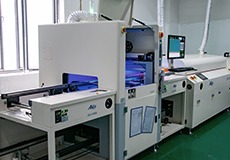
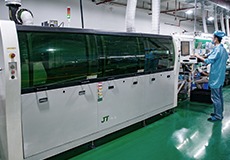
Automated SMT & DIP Production Lines
Our 31,056 m² facility utilizes high-precision Yamaha SMT lines, automated optical inspection (AOI), and robotic soldering systems. This guarantees minimal component defect rates on power driver boards, MPPT control cards, and digital signal processors (DSP).
100% Full-Load High-Temperature Aging Tests
Every solar inverter and battery system undergoes rigorous burn-in testing under 100% full-load conditions inside temperature-controlled aging chambers (45°C–50°C) for a minimum of 4 to 8 hours prior to final packaging and export shipment.
80+ Senior Engineers & Full OEM Customization
Our dedicated engineering team provides complete ODM solutions, including custom metal enclosure chassis design, customized LCD interface branding, specialized firmware parameters, and targeted international grid code certifications.

Frequently Asked Procurement & Technical Questions
Essential technical and commercial answers for international distributors, importers, and renewable energy EPC contractors.
Q1: How does your factory handle OEM/ODM branding and custom firmware requirements?
We offer comprehensive OEM/ODM services backed by an R&D team of over 80 engineers. Customization covers silk-screen brand logo placement, customized exterior sheet metal chassis colors, dedicated user manual design, customized LCD firmware menus, default battery profile settings, and customized CAN-Bus / RS485 communication protocols matching your targeted energy storage battery brands.
Q2: What is the technical difference between pure sine wave and modified sine wave inverters for wholesale markets?
Pure sine wave inverters deliver utility-grade (or better) AC output with total harmonic distortion (THD) below 3%. They are mandatory for modern sensitive electronics, medical gear, computers, and all inductive loads (pumps, compressors, motors). Modified sine wave units are cost-optimized square-wave approximations suitable only for basic resistive heating or lighting elements. All industrial solar inverters listed in our catalog produce true pure sine wave power output.
Q3: Which international certifications are available for customs clearance and grid connection?
Our manufacturing management system holds ISO 9001, ISO 14001, and ISO 45001 standard certifications, with on-site verification conducted by TÜV Rheinland. Individual inverter and battery product series hold regional compliance certificates including CE (EN IEC 62109-1/-2, EN 61000 EMC), IEC 62619 for lithium safety, UN38.3 transport reports, MSDS, and specific regional grid codes. Full test reports are provided during container order processing.
Q4: How should an importer decide between low-frequency and high-frequency inverters?
High-frequency inverters utilize compact electronic switching topologies, making them light, highly efficient (>93%), and cost-effective for residential home systems and light commercial backup. Low-frequency inverters feature heavy iron-core toroidal transformers that excel in extreme heavy-industrial environments, providing up to 300% peak surge capacity for high-torque motor startup and resisting strong electrical spikes on unstable rural grids.
Q5: What are the recommended system sizing parameters for 12V, 24V, and 48V systems?
As an engineering baseline rule: 12V DC input systems are suitable for small loads under 1kW (mobile chargers, RVs, small lighting kits); 24V DC input systems suit 1kW–3kW loads; and 48V (or 51.2V nominal LiFePO4) is highly recommended for systems 3kW and above. Higher system DC voltages reduce electrical current requirements, enabling smaller cable gauge sizing, lower heat generation, and superior overall conversion efficiency.
Q6: Do you maintain overseas warehousing for fast container shipment replenishment?
Yes, strategic inventory buffering is maintained across regional hub facilities—including our Poland warehouse for European Union distribution, alongside subsidiary offices and stock centers in South Africa, Dubai, and Egypt. This infrastructure allows registered wholesale partners to place smaller replenishment orders with rapid local delivery without waiting for sea freight lead times.
Q7: What cycle life and depth of discharge (DoD) can be expected from your LiFePO4 battery series?
Our Tier-1 A-grade LiFePO4 (Lithium Iron Phosphate) prismatic cell battery modules deliver 6,000+ deep discharge cycles at 80% Depth of Discharge (DoD) under standard 25°C operating conditions. Integrated intelligent BMS units manage cell balancing, over-charge, over-discharge, short-circuit, thermal run-away prevention, and multi-inverter parallel communications.
Q8: What is the factory lead time, MOQ, and warranty procedure for wholesale procurement?
Standard production lead times range from 15 to 25 days depending on container volume and customization scope. Minimum order quantities (MOQs) for standard stock units start as low as 10–20 units, while full OEM packaging customization typically requires 50–100 units. Products are backed by standard 2-year to 5-year factory warranties with spare parts (mainboard power modules, control cards) provided for local after-sales servicing.
Request Official Wholesale Catalog & Technical Price List
Connect directly with our senior application engineers to receive full product datasheets, container loading plans, certification files, and factory-direct price schedules.
