High-Efficiency Solar Controllers & Integrated Energy Systems
Engineered for off-grid resilience, hybrid energy storage, and industrial-grade solar power management. Backed by factory-direct warranties and global certification standards.
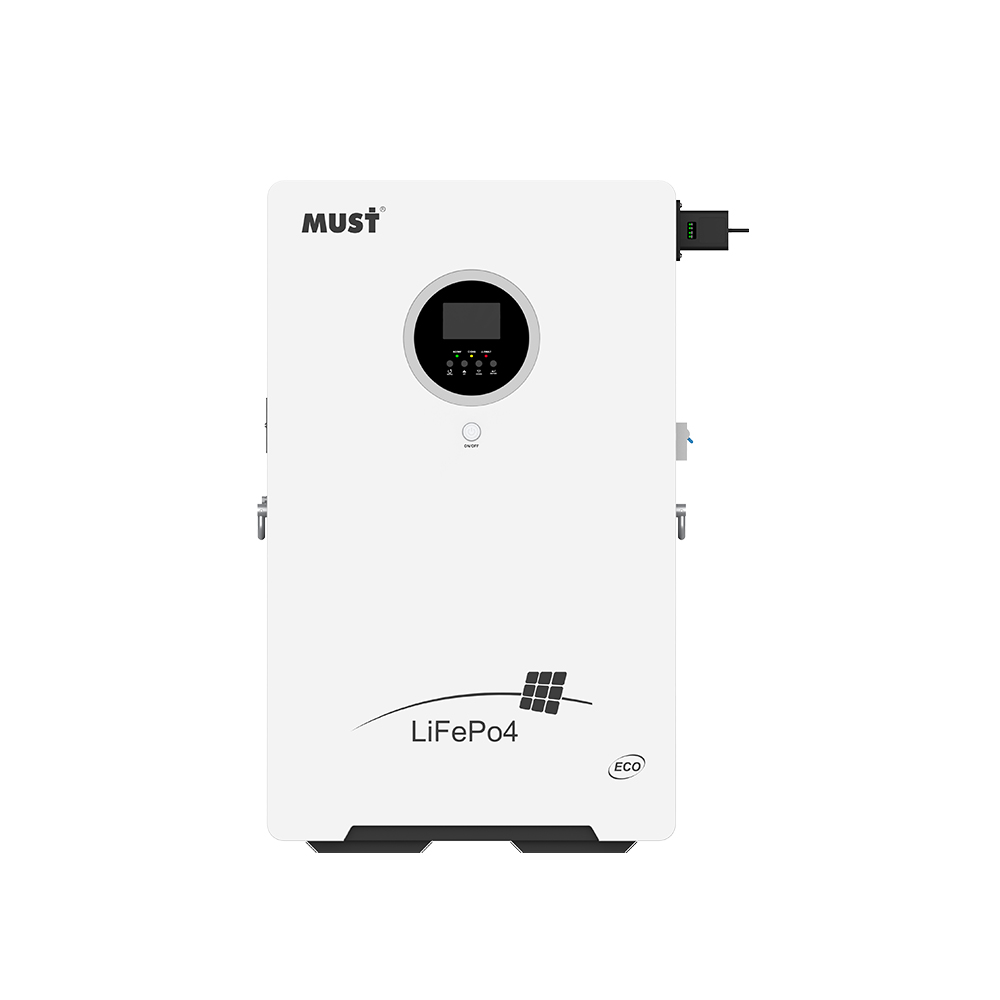
MUST Factory in Stock All in One Solar System HBP19-5548 VPM 5.5kw 3.5kw Off Grid Generator
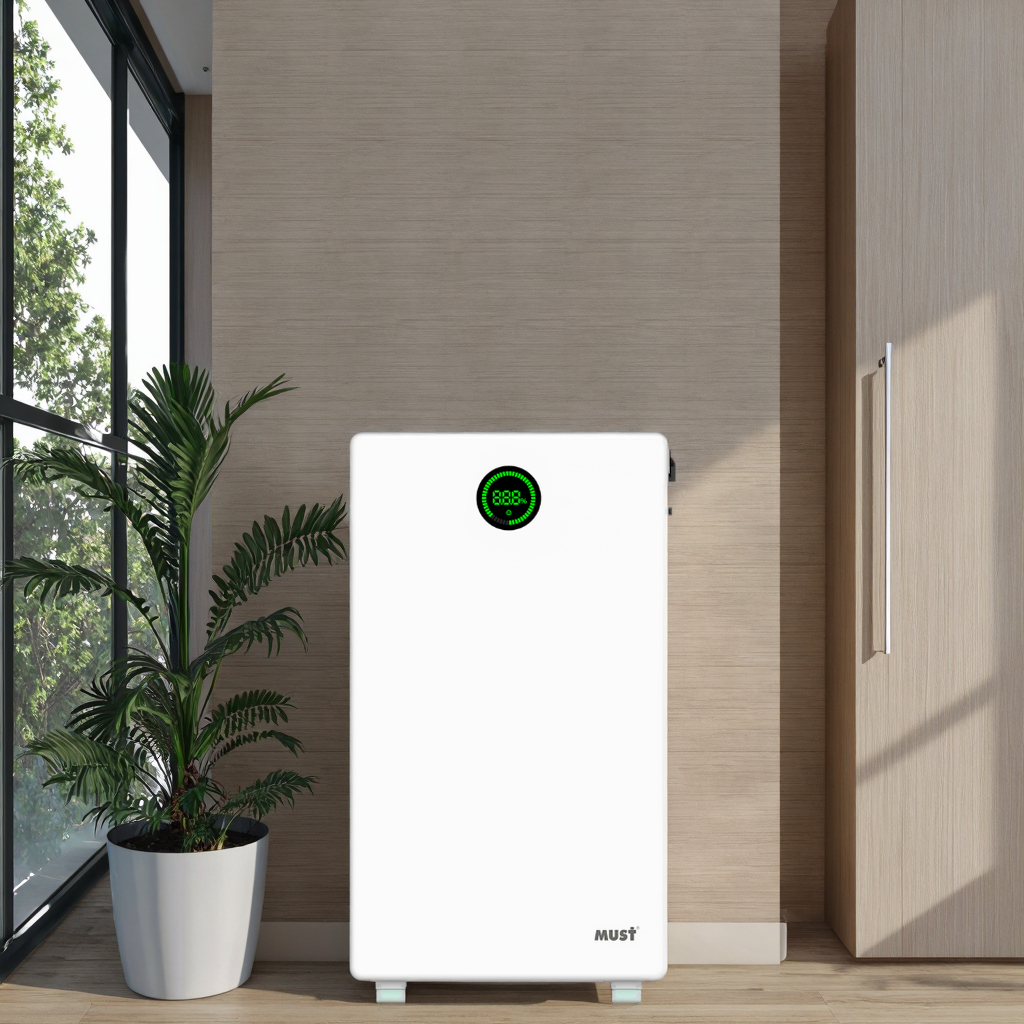
Poland 48V 200Ah 10KWh Wall-Mounted LiFePO4 Battery with IP65 & CAN Port

MUST EU Stock 100Ah/200Ah 48V Solar Lithium Energy Storage Battery with Smart BMS

MUST Solar Station Outdoor 2000Wh / 3000Wh Portable Lithium Solar System
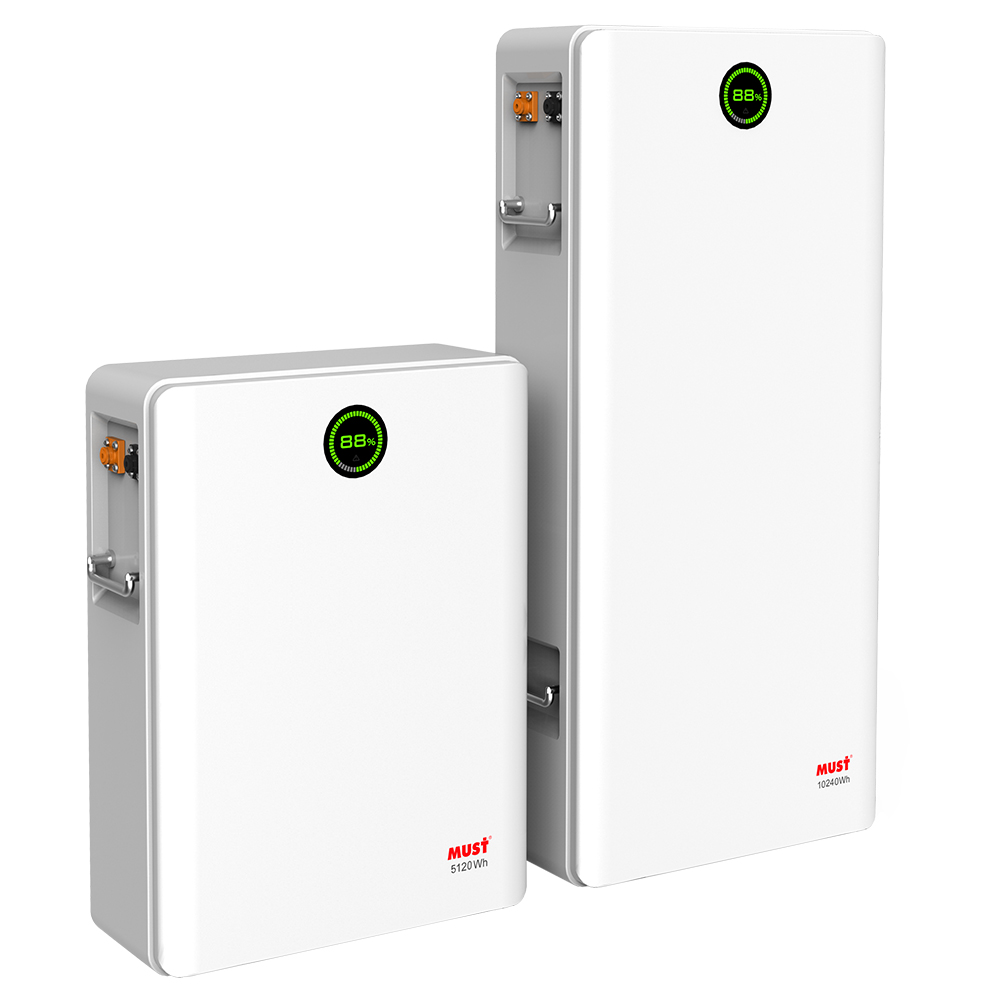
Poland LP28-48200 48V 5.12kWh Wall Mounted Battery (Scalable to 153.6kWh)
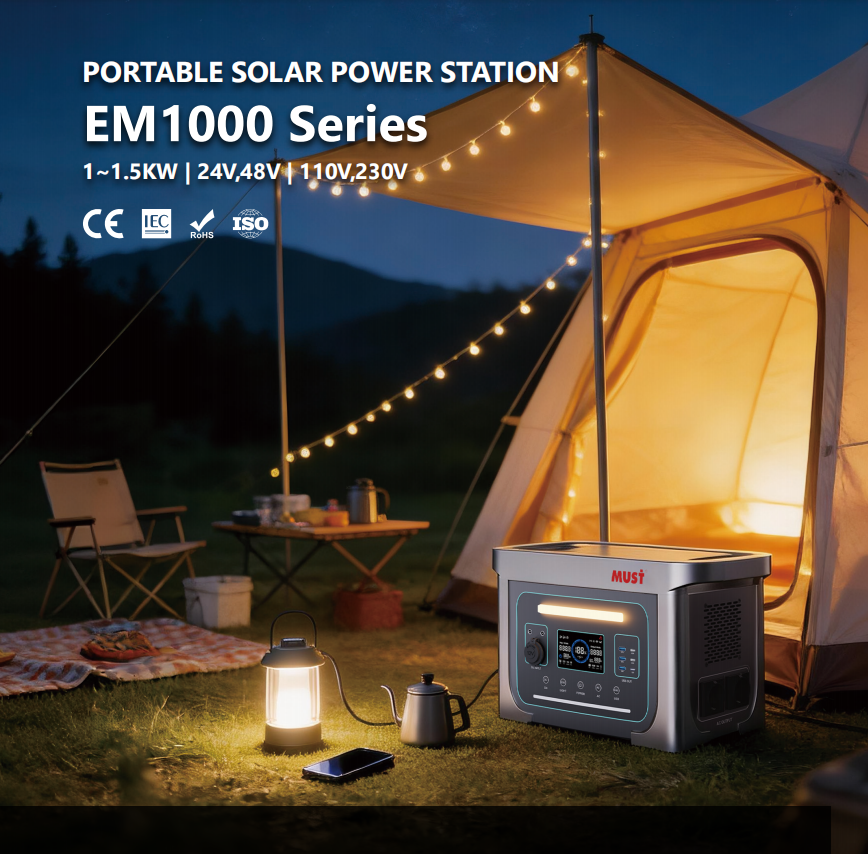
MUST Portable Power Station & All in One Emergency Energy Storage EM1000S

China LP2800 Series 48V LiFePO4 Battery 7000+ Cycles with WiFi Monitoring
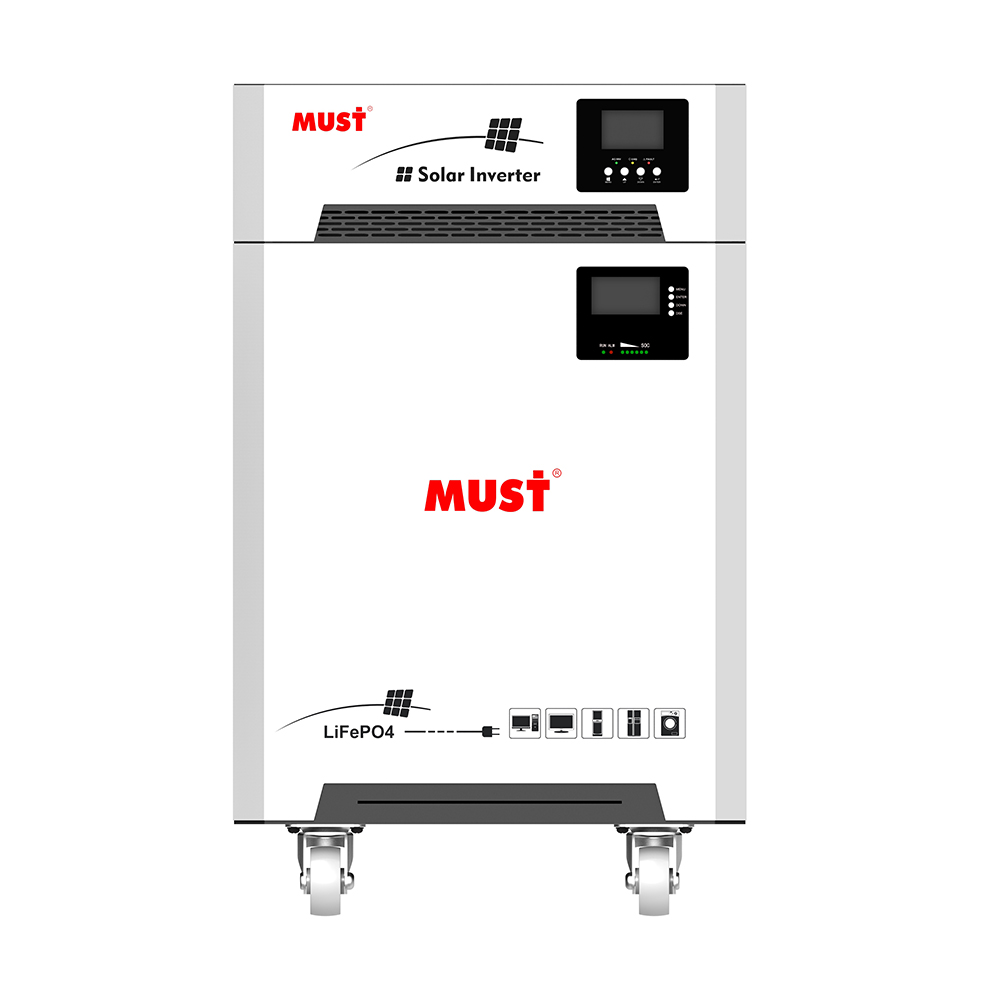
48V 250Ah LiFePO4 Battery & 5KW Solar Hybrid Inverter All-in-One ESS Kit
The Engineering Architecture of Modern Solar Charge Controllers
An in-depth analysis of Maximum Power Point Tracking (MPPT) algorithms, thermal management, topology innovations, and system-level energy conversion efficiency.
Advanced Perturb & Observe MPPT Topologies
Modern high-efficiency solar charge controllers utilize multi-phase interleaved synchronous rectification combined with predictive Perturb and Observe (P&O) and Incremental Conductance algorithms. This approach enables dynamic tracking speed under partial shading conditions, achieving a tracking efficiency greater than 99.5% and a peak conversion efficiency of up to 98% across varying irradiance levels.
Smart BMS & Multi-Chemistry Profiles
As global energy storage transitions from lead-acid to Lithium Iron Phosphate (LiFePO4), controller firmware must integrate multi-protocol communication standardizations. Leading Chinese manufacturers incorporate closed-loop CANbus and RS485 interfaces, enabling real-time handshake protocols between the controller switch-stage, battery management systems (BMS), and inverter power bridges.
Thermal Management & Heavy Surge Resilience
Industrial-grade solar charge controllers require robust thermal dissipation architectures. Utilizing extruded aluminum heatsinks, intelligent variable-speed cooling fans, and wide-gap Silicon Carbide (SiC) power MOSFETs, export-grade Chinese controllers maintain 100% rated output continuously up to 50°C ambient operating environments without thermal derating.
Comparing Solar Controller Topologies for B2B Procurement
Evaluate hardware configurations to select the ideal controller technology for commercial, residential, and industrial off-grid projects.
| Technical Parameter | Standard PWM Controller | Industrial MPPT Controller | High-PV Voltage Integrated Inverter/Controller |
|---|---|---|---|
| Max Tracking Efficiency | 70% - 75% (No active tracking) | 99.5% - 99.8% | 99.9% (Single & Dual MPPT channels) |
| Max PV Input Voltage (Voc) | 50V - 100V DC | 150V - 250V DC | 450V - 500V DC (High Voltage String Input) |
| Optimal System Scale | Small Solar Systems (< 1kW) | Mid-to-Large Residential (1kW - 10kW) | Commercial & Whole-House Storage (5kW - 150kW) |
| LiFePO4 BMS Integration | Basic Voltage Cutoff | CAN / RS485 Closed-Loop Handshake | Integrated CAN/RS485/WiFi/GPRS Smart Protocol |
| B2B Procurement Target Cost | Lowest Initial Capital Cost | Optimized Levelized Cost of Energy (LCOE) | Lowest Total System Installation & Balance of System (BOS) Cost |
Procurement Trends & Technical Development Directions
Strategic guidance for international importers, regional distributors, and EPC contractors navigating supply chain evolutions in China's renewable energy sector.
1. High Voltage PV String Architectures (Up to 500V DC Input)
Traditional solar charge controllers restricted PV array configurations to 150V DC input, necessitating complex parallel combiner boxes and thick copper cabling. Modern procurement contracts are heavily favoring high-PV-voltage topologies supporting array voltages up to 450V–500V DC. This shift reduces Balance of System (BOS) installation costs, minimizes linear copper power loss, and speeds up field deployment for residential and commercial energy projects.
2. Unified All-in-One Energy Storage Ecosystems
The global B2B procurement market is rapidly moving away from standalone, modular charge controllers toward fully integrated, plug-and-play ESS cabinets. Combining an MPPT charge controller, pure sine wave off-grid/hybrid inverter, smart BMS, and high-density LiFePO4 battery cell packs into a single modular enclosure eliminates installation mismatch, streamlines warranty management, and provides single-brand accountability.
3. Cloud Monitoring, IoT Diagnostic, and Smart Grid Synchronization
Advanced controllers exported from top Chinese facilities now feature integrated IoT gateways supporting Wi-Fi, 4G, and GPRS modules. System operators and distributors can monitor real-time daily generation yields, cell-level voltage balance, thermal logs, and remote firmware upgrade triggers through dedicated cloud applications, ensuring minimal onsite maintenance costs.
Direct Manufacturing Competence & Global Support Infrastructure
Combining over 20 years of power electronics development expertise with validated mass-production capacity for international OEM and ODM clients.
Manufacturing Capacity & Facility Scale
Our 31,056 m² automated manufacturing facility operates advanced SMT surface mount assembly lines, automated DIP soldering workshops, dynamic burn-in testing chambers, and full-load aging test benches. With an annual throughput exceeding 600,000 units, we fulfill large volume distributor contracts without supply chain bottlenecks.
Rigorous International Certifications
Our company maintains ISO 9001, ISO 14001, and ISO 45001 management accreditations. In addition, our manufacturing facilities undergo rigorous on-site audit evaluations by TÜV Rheinland. Product lines hold relevant market certifications including CE, IEC 62109, UN38.3, and MSDS documentation for seamless customs clearance.
Custom OEM / ODM Engineering Support
Supported by an in-house engineering team of over 80 specialized engineers, we provide complete ODM customized solutions. From enclosure sheet metal design, custom LCD display branding, and packaging to proprietary BMS handshake software protocols (CAN/RS485), we tailor products to your target market specifications.
B2B Procurement & Technical Sourcing FAQ
Answers to common questions regarding manufacturing capabilities, system sizing, OEM services, and logistics support.
Are you a direct custom manufacturer or a trading company?
We are a direct original equipment manufacturer (OEM) with our own production facilities. Our manufacturing campus covers 31,056 m², employs 1,109 people, and has been verified on-site by TÜV Rheinland. We handle end-to-end R&D, metal fabrication, PCB assembly, and quality testing in-house.
What custom OEM / ODM services do you offer for solar controllers and batteries?
We offer complete OEM/ODM customization services including screen-printed client logos, custom metal enclosure colors and dimensions, custom firmware algorithms, specialized battery charging voltage profiles, and customized CANbus/RS485 BMS communication protocols for seamless inverter integration.
How do I select between a 12V, 24V, and 48V DC battery system voltage?
As a standard engineering guideline: 12V DC systems are recommended for small, portable loads under 1kW; 24V DC systems suit residential applications from 1kW to 3kW; and 48V DC systems are essential for installations exceeding 3kW. Higher system voltage significantly reduces operating current, cable cross-sectional area requirements, and thermal power losses across system conductors.
What is your total manufacturing capacity and lead time?
Our annual production output is approximately 600,000 units across solar inverters, charge controllers, UPS units, and LiFePO4 battery storage products. Standard sample evaluation units ship within 3–7 business days, while mass container orders are delivered within 20–35 days depending on customization specifications.
Do you provide local technical support and overseas warehousing outside China?
Yes, we maintain international subsidiary offices and warehousing hubs in Poland (Warsaw for European operations), South Africa, Dubai, and Egypt. These regional centers provide local stock access, rapid technical response, and after-sales service for our regional distribution partners.
Partner with a Leading China Solar Charge Controller Manufacturer
Direct factory pricing, comprehensive technical documentation, rapid sample evaluation, and robust OEM custom support for global renewable energy distributors.
