Product Catalog
Featured Commercial & Residential Solar Storage Hardware
Factory-direct LiFePO4 batteries, MPPT-integrated hybrid energy storage systems, and off-grid power units built to tier-1 manufacturing specifications.
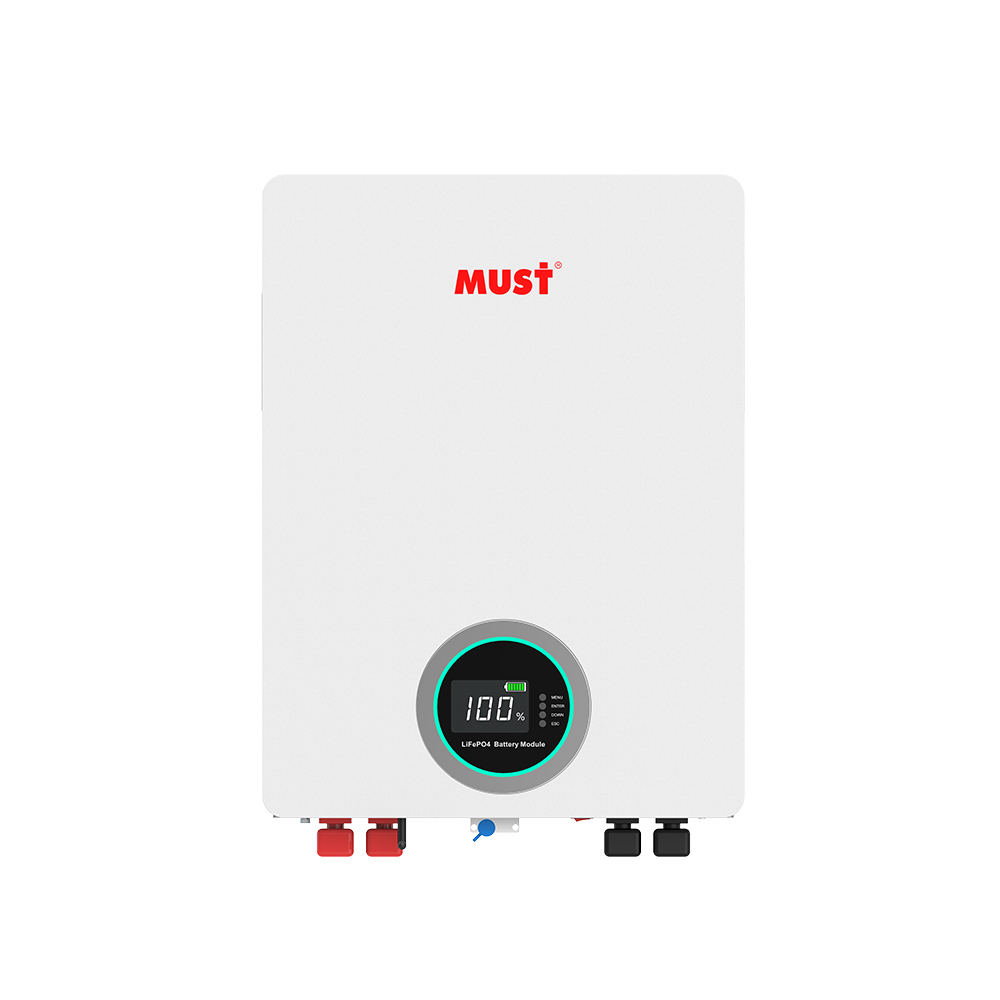
48V 250Ah LiFePO4 Lithium Battery for Camping All In One Solar Hybrid Inverter Lifepo4 5KW Battery
View Specifications →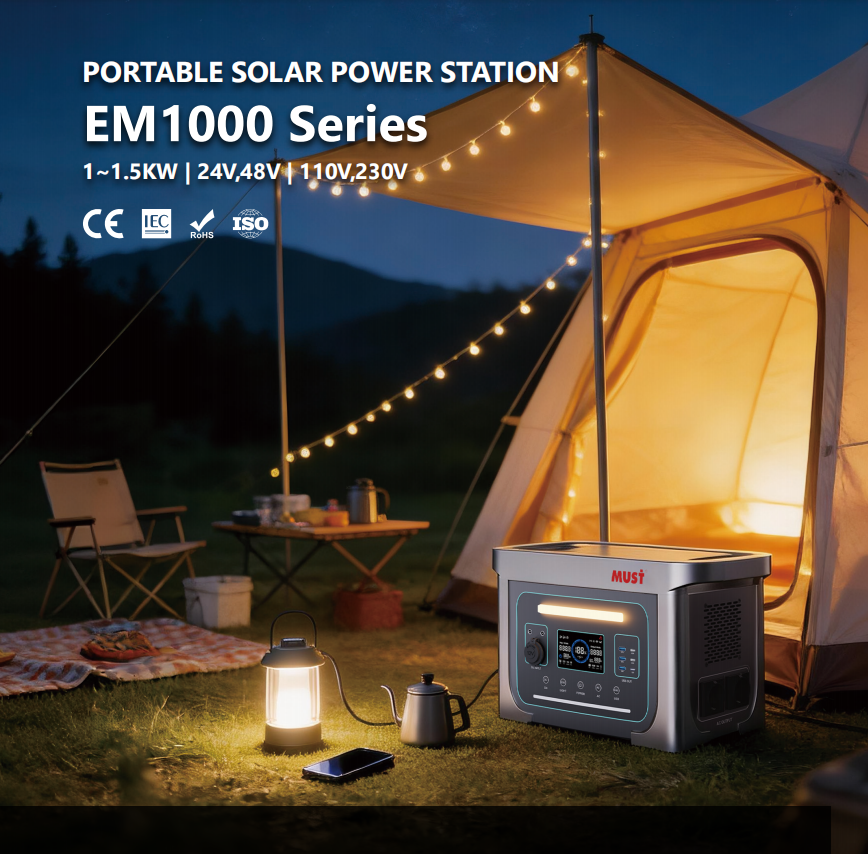
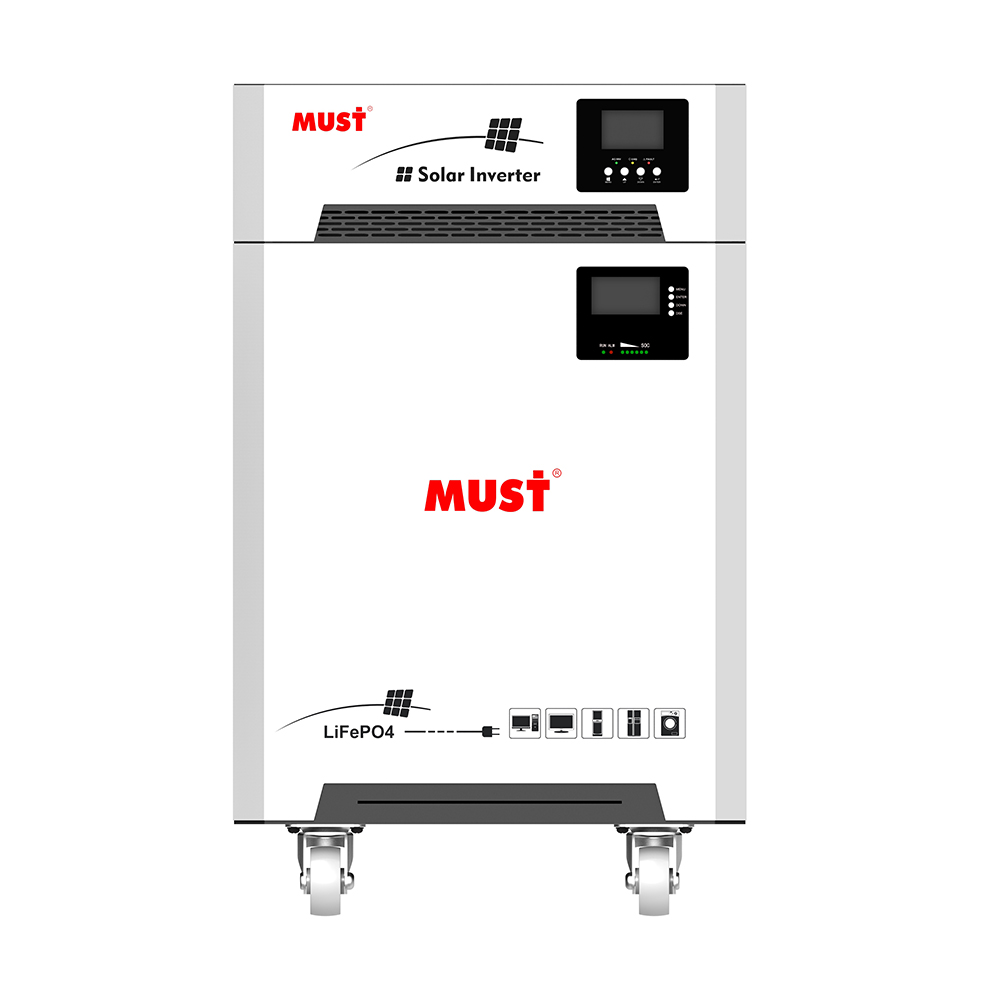
MUST Portable Power Station & All in One Product-EM1000S
View Specifications →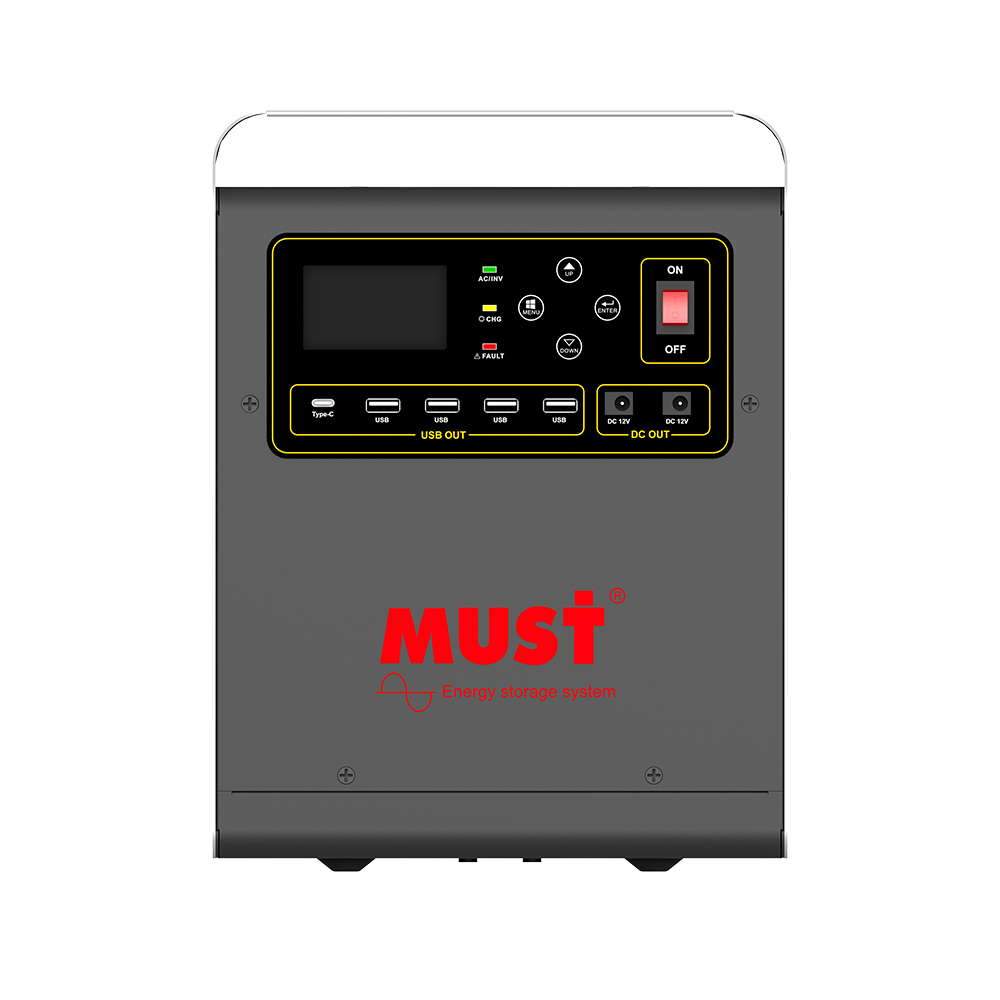
For MUST 1KW Portable Solar Power Station with 1KWH LifePO4 Battery Wireless Charging MPPT Controller
View Specifications →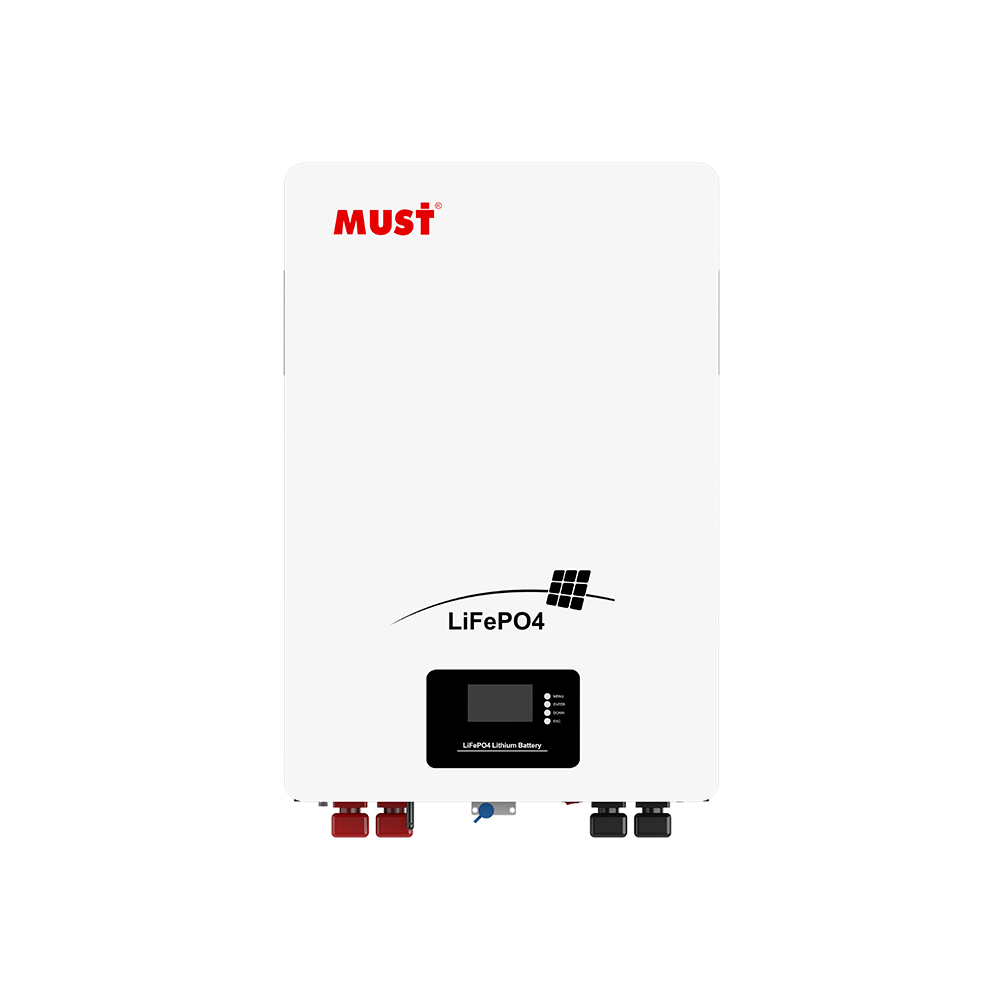
For LP16-48200 Solid State LiFePO4 Battery System for Residential & Commercial Energy Storage 6000 Cycles
View Specifications →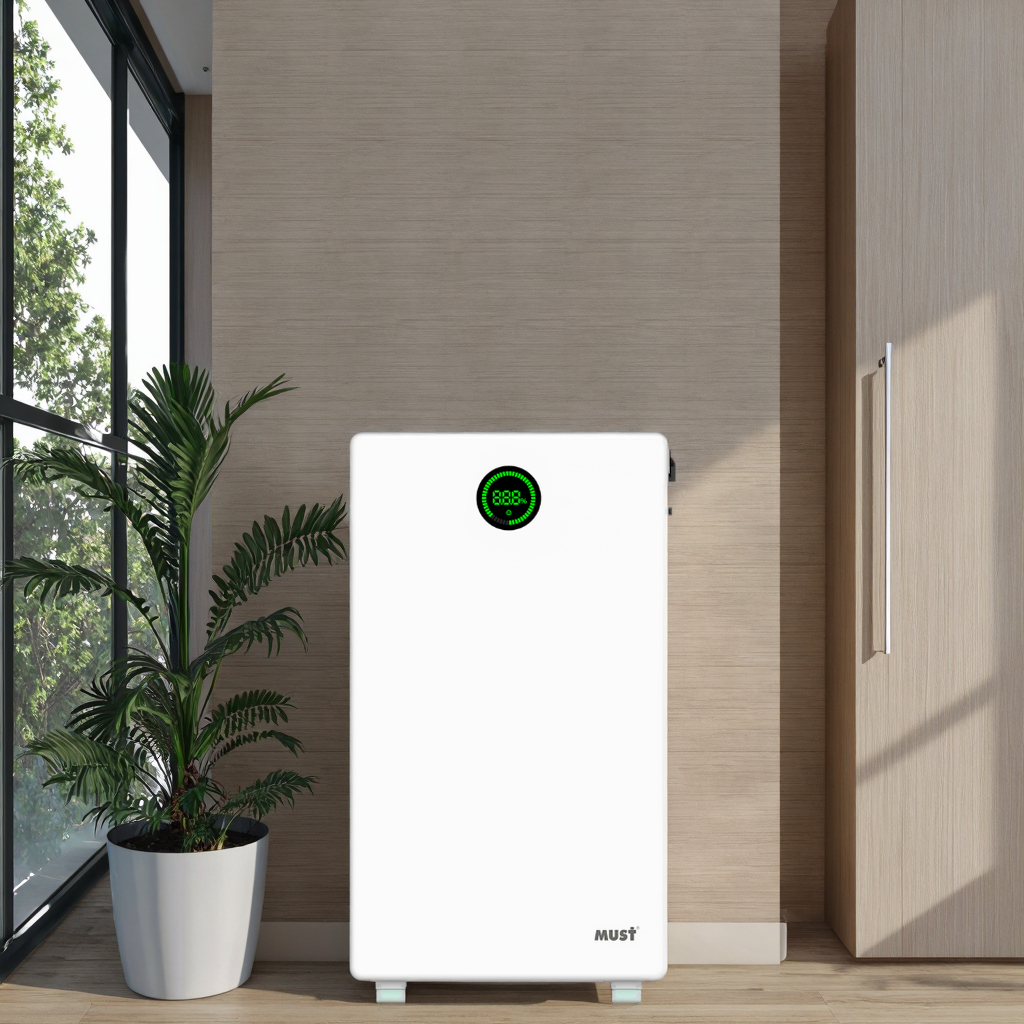
Poland 48V 200Ah 10KWh Wall-Mounted Lifepo4 Lithium Battery for Home Storage IP65 CAN Port
View Specifications →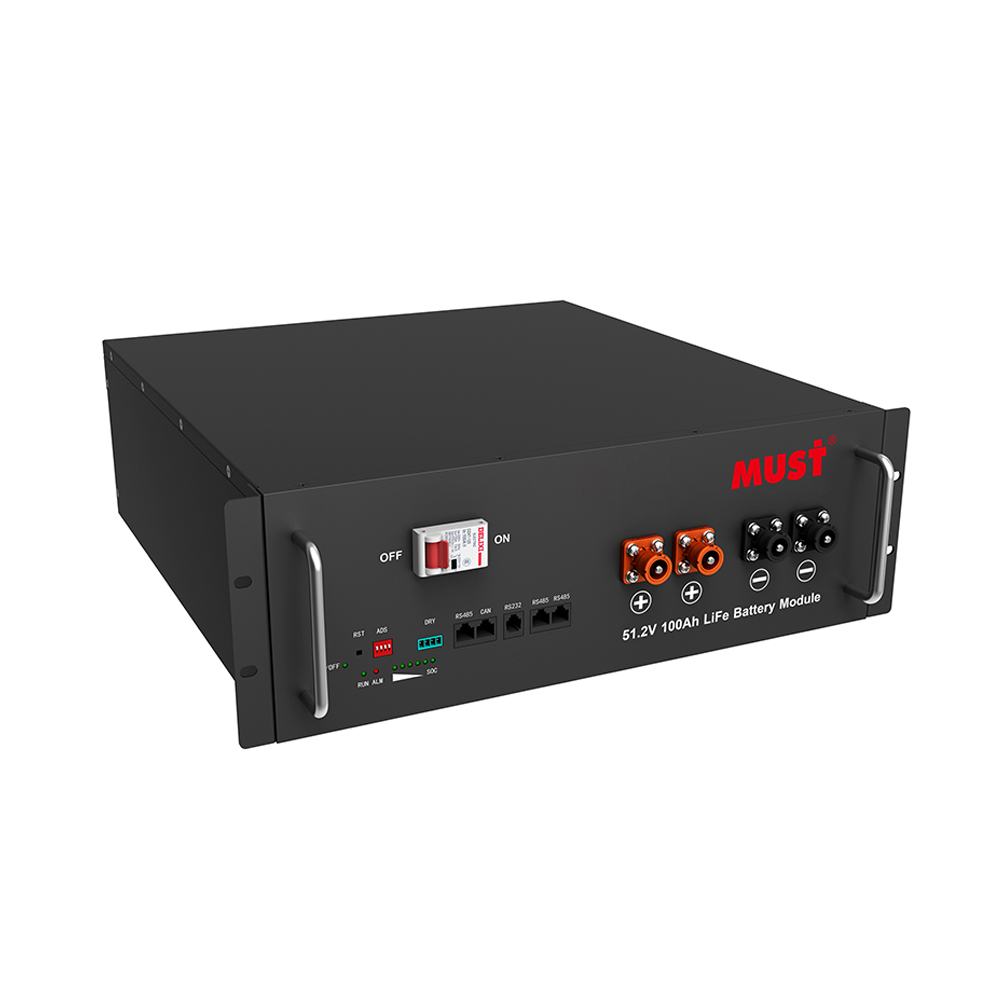
IP 65 48V 100Ah 5KWh Lifepo4 Lithium Battery for Home Energy Storage with CAN Communication Port
View Specifications →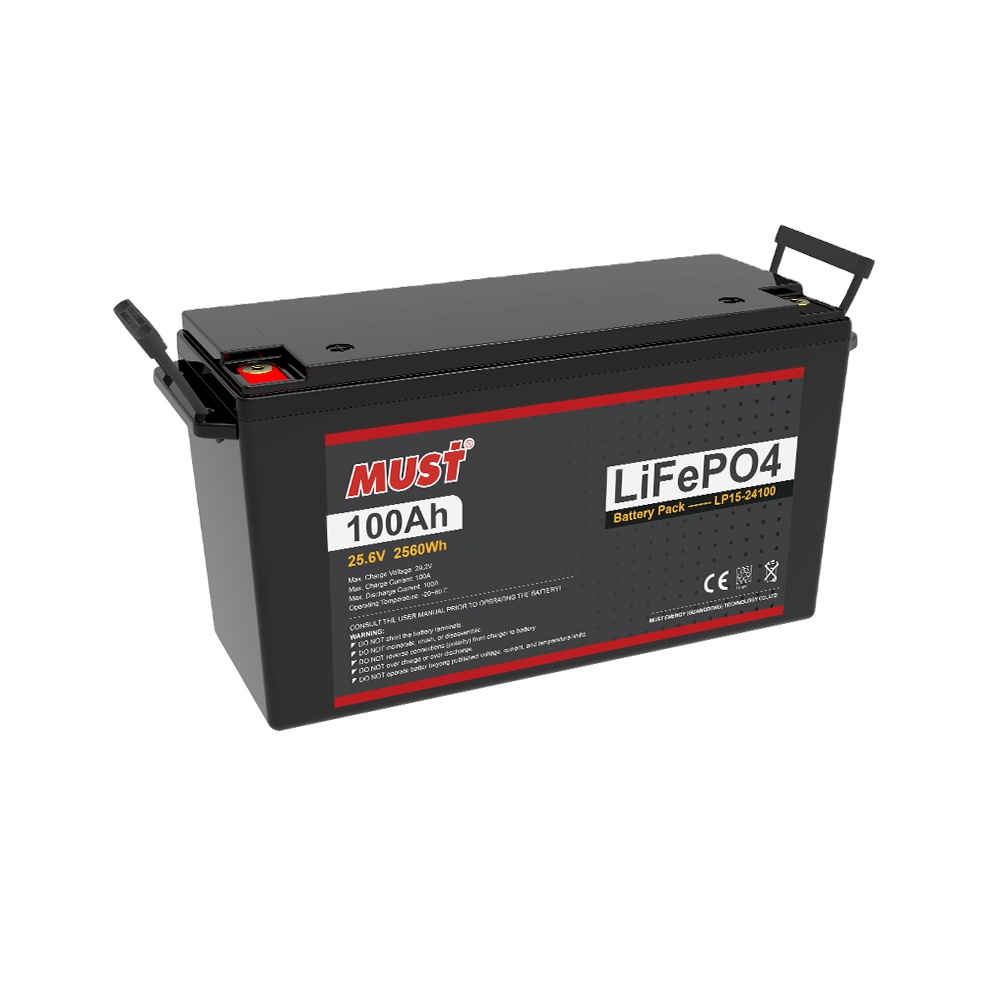
For Brand Lifepo4 Lithium Ion Battery 25.6V 2560Wh BMS 5-Year Warranty 6000 Cycles Model LP15-24100
View Specifications →31,056 m²
R&D & Manufacturing Base
600,000+
Annual Units Output
1,109
Specialized Personnel
80+
Senior Power Engineers
Industry Whitepaper
The Engineering Evolution of Solar Charge Controllers: PWM vs. MPPT Optimization
Understanding circuit topologies, tracking algorithm dynamic response times, and thermal management architectures in modern photovoltaic regulation.
Maximum Power Point Tracking (MPPT) Mechanics
Traditional Pulse Width Modulation (PWM) controllers operate by clamping solar panel voltage directly to the battery voltage, discarding up to 30% of potential photovoltaic yield during cool temperatures or partial shading. Modern MPPT (Maximum Power Point Tracking) controllers utilize high-frequency DC-to-DC converter topology to decoupled PV input voltage from battery system voltage.
By executing real-time algorithm calculations (such as Perturb & Observe or Incremental Conductance), advanced MPPT algorithms adjust duty cycles at kilohertz frequencies to track the peak power point ($P_{max} = V_{mp} \times I_{mp}$) dynamically across fluctuating irradiance and ambient thermal curves.
Thermal Dissipation & Silicon Carbide (SiC) MOSFETs
As photovoltaic array voltages scale from legacy 12V/24V architectures up to 150V–450V DC inputs, switching losses within power electronics become critical failure vectors. Leading Chinese manufacturers now incorporate Wide-Bandgap Silicon Carbide (SiC) MOSFET switches alongside heavy copper PCB traces and die-cast aluminum heat sinks.
This structural thermal management allows top-tier MPPT charge controllers to maintain peak conversion efficiencies exceeding 98.5% even under sustained 100A continuous charging profiles, preventing thermal throttling in high-ambient environments such as the Middle East and Sub-Saharan Africa.
Technical Comparison: Solar Charge Controller Topologies
| Performance Benchmark | Legacy PWM Controller | Standard MPPT Controller | Industrial High-Voltage MPPT (CJH Class) |
|---|---|---|---|
| Peak Conversion Efficiency | 70% - 78% | 94% - 96% | 98.2% - 99.0% |
| Max Photovoltaic Input Voltage (Voc) | 50V DC | 100V - 150V DC | 250V - 500V DC |
| Cold Climate Energy Gain | Baseline (0%) | +20% to +25% | +30% to +35% |
| BMS Closed-Loop Handshake | Not Supported | Basic RS485 | Dual CAN Bus / RS485 / Modbus RTU |
| Lithium Battery Soft-Start Activation | No | Optional | Integrated Auto-Recovery Protocol |
Global Market Insights
Procurement Trends & Technological Horizons (2025–2030)
Key directional shifts strategic B2B importers, EPC contractors, and distributors must evaluate to future-proof their supply chains.
1. BMS Closed-Loop Integration
Modern procurement demands charge controllers natively speak the firmware communication language of LiFePO4 battery management systems (BMS). Closed-loop CAN bus handshakes allow the controller to adjust voltage targets dynamically based on cell-level temperature, state of charge (SoC), and internal impedance.
2. All-in-One Hybrid Convergence
Standalone charge controllers are rapidly merging into modular, high-efficiency All-In-One Hybrid Inverters. Sourcing trends show distributors shifting toward combined units that house pure sine wave inverters, MPPT controllers, and AC grid chargers within a single compact IP65 enclosure.
3. High PV Voc Voltage Topologies
System designers prefer higher voltage PV strings (450V–500V DC) over low-voltage parallel connections. High Voc inputs dramatically reduce copper cable thickness requirements, diminish line transmission losses, and lower overall Balance of System (BOS) installation expenses for commercial solar projects.
Manufacturing Excellence
Why Direct OEM Sourcing from China's Premier Manufacturer Matters
Leveraging certified production lines, robust quality assurance protocols, and localized global service infrastructures.
Rigorous Quality System & Certified Facilities
Founded on rigorous engineering discipline, CJH Energy (Guangdong) Tech Co., Ltd. operates a state-of-the-art 31,056 m² manufacturing park equipped with fully automated SMT assembly lines, automated optical inspection (AOI) stations, and environmental burn-in testing chambers.
Our operations comply with strict management systems: ISO 9001 (Quality Management), ISO 14001 (Environmental Management), and ISO 45001 (Occupational Health & Safety). Furthermore, our production capabilities undergo rigorous on-site verification by TÜV Rheinland, providing international buyers complete transparency and compliance confidence.
- 600,000 Units Annual Capacity: Scalable manufacturing lines ensuring stable lead times during peak demand seasons.
- 80+ In-House R&D Engineers: Full ODM support spanning firmware tailoring, custom enclosure tooling, PCB redesign, and multi-lingual UI interfaces.
- Proprietary IP Portfolio: Holding national invention patents in high-frequency switching and lithium protection logic.
Global Localized Service Hubs
To eliminate long shipping delays for spare parts and simplify after-sales logistics, CJH Energy maintains active overseas branch offices and technical support centers in strategic economic hubs:
- Poland (Warsaw): Central European office & warehousing for EU compliance and quick delivery.
- South Africa (Johannesburg): Local service office assisting southern African energy partners.
- Dubai (UAE): Middle East sales engineering & rapid-dispatch depot.
- Egypt (Cairo): Regional North African technical service team.
End-to-End OEM/ODM Customization Process
From preliminary technical spec audits to pilot runs and mass production, our team executes customized projects efficiently. We support customized silkscreen logos, customized carton packaging, custom CAN/RS485 communication protocols, and tailored LCD display menus.
Technical FAQ
Frequently Asked Questions for B2B Importers & System Integrators
Direct answers to critical procurement, sizing, and engineering inquiries.
Q1: How do I correctly size an MPPT Solar Charge Controller for a 48V LiFePO4 battery system?
To correctly match an MPPT controller, calculate the total PV array wattage and divide it by the nominal battery voltage (48V DC), then apply a 20% safety margin for cold weather voltage spikes ($I_{out} = \frac{P_{pv}}{V_{bat}} \times 1.2$). For example, a 5,000W PV array charging a 48V bank requires a minimum 100A MPPT controller. Always verify that the solar array's maximum open-circuit voltage ($V_{oc}$) at the coldest expected site temperature never exceeds the controller's absolute maximum input limit.
Q2: What is the technical difference between low-frequency and high-frequency inverters with charge controllers?
Low-frequency inverters utilize heavy copper transformers, delivering exceptional peak surge handling capability (3x rated capacity for 10-20 seconds), making them ideal for heavy inductive motor loads, water pumps, and industrial machinery. High-frequency inverters use compact electronic MOSFET circuits, delivering higher power density, lower idle self-consumption, smaller physical dimensions, and cost benefits for standard household appliances.
Q3: Can your MPPT controllers dynamically communicate with third-party LiFePO4 BMS units?
Yes. CJH Energy charge controllers and hybrid inverters feature native CAN bus and RS485 communication ports loaded with pre-configured software protocols for leading lithium battery brands. Our 80+ engineering team can also program custom protocol handshakes for custom OEM battery packs upon request.
Q4: Is CJH Energy a direct manufacturer or a trading reseller?
CJH Energy (Guangdong) Tech Co., Ltd. is a verified custom manufacturer with over 20 years of power electronics experience. Our 31,056 m² factory facility employs 1,109 personnel and has been independently audited and verified on-site by TÜV Rheinland.
Q5: What certifications are available for international customs clearance and local utility grid compliance?
Our manufacturing facility maintains ISO 9001, ISO 14001, and ISO 45001 certifications. Individual product lines hold market-specific CE, IEC 62109, UN38.3, MSDS, and EMC test reports. Detailed compliance documentation for your specific target market can be provided by our sales engineering team prior to order placement.
Partner with China's Leading Solar Controller Manufacturer
Looking for reliable OEM/ODM manufacturing, wholesale distributor pricing, or specialized engineering solutions for solar charge controllers and LiFePO4 battery systems? Contact our engineering team today for factory-direct quotes and full technical datasheets.
