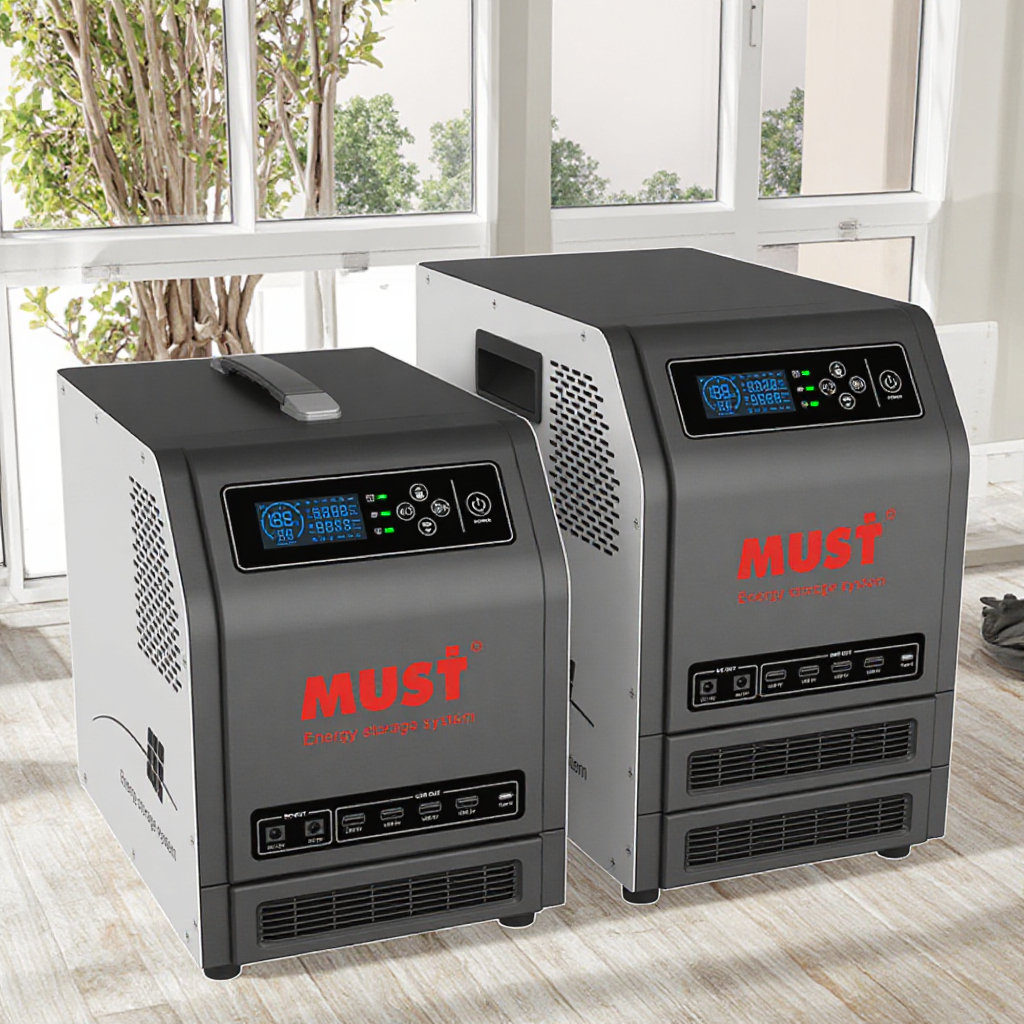
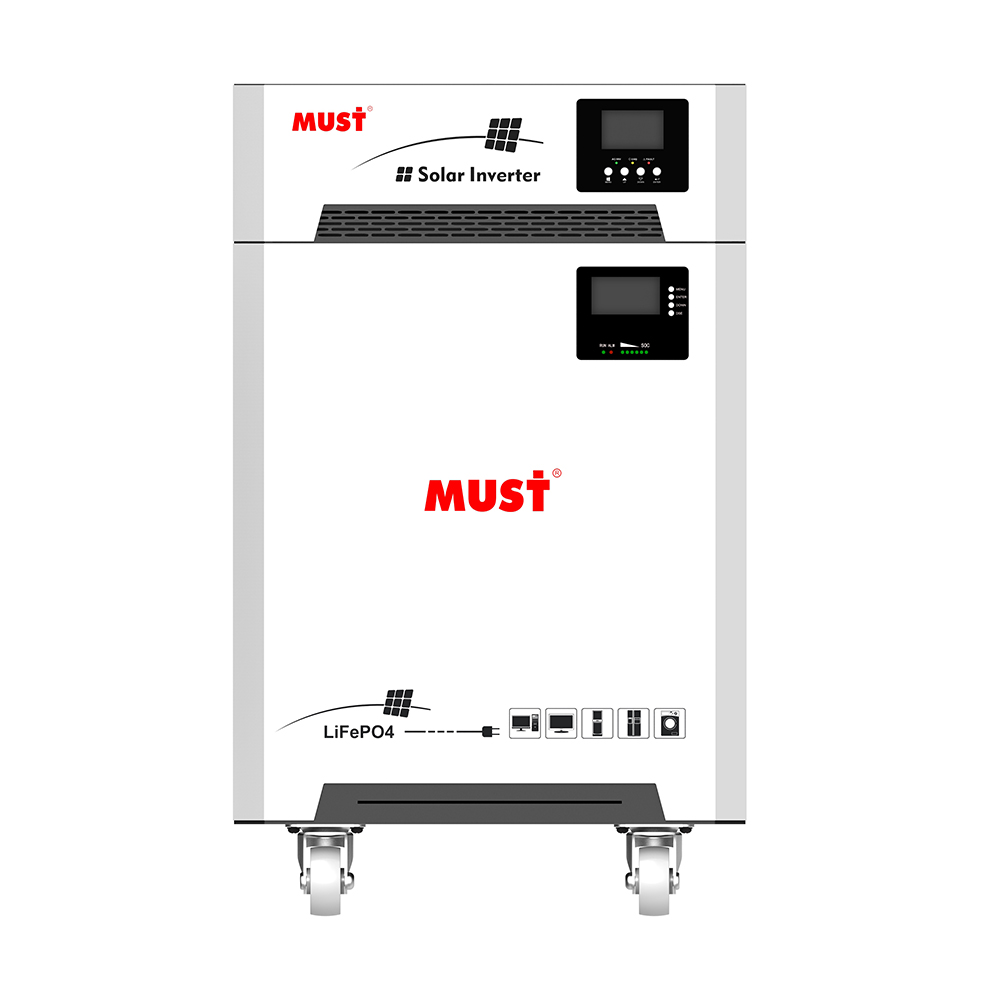
Verified manufacturing throughput, specialized engineering personnel, and quality assurance metrics.
600,000
Annual Units Output
31,056 m²
Production Footprint
1,109
Specialized Employees
80+
R&D Systems Engineers
State of China’s Solar Battery Inverter Wholesale Landscape
The global energy conversion and storage ecosystem is experiencing a structural migration toward integrated, high-efficiency topologies. As the world's epicentre for power electronics manufacturing, China accounts for over 75% of global solar inverter shipments and nearly 85% of global Lithium Iron Phosphate (LiFePO4) battery manufacturing capacity. Navigating the market for China best solar battery inverter suppliers requires procurement managers, EPC contractors, and brand distributors to evaluate suppliers beyond surface-level pricing—focusing strictly on architectural integrity, thermal reliability, BMS protocol interoperability, and long-term warranty backed by verifiable factory assets.
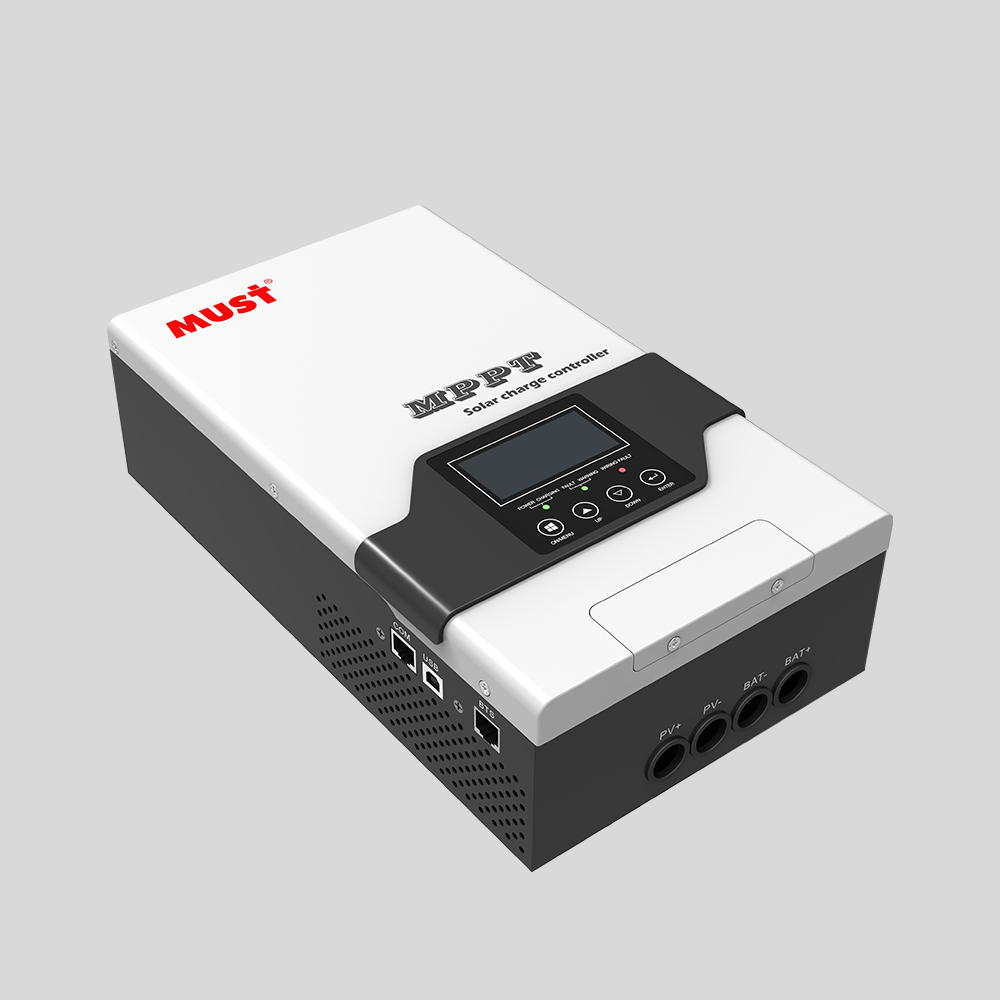
Today’s energy storage systems (ESS) are no longer isolated sub-assemblies. Modern B2B buyers require seamless coupling between Maximum Power Point Tracking (MPPT) charge controllers, bi-directional DC-AC inverters, and battery management systems. Factory-direct original equipment manufacturers (OEM) like CJH Energy (guangdong) Tech Co., Ltd. operate at the intersection of power electronics engineering and cell packaging chemistry, manufacturing fully integrated architectures designed to endure harsh grid instabilities, thermal extremes, and prolonged surge stresses.
Core Sourcing Benchmark: Tier-1 Chinese suppliers distinguish themselves through fully automated SMT PCB assembly lines, dual-pulse automatic laser cell welding, high-voltage insulation testing, and 100% full-load thermal burn-in under real-world dynamic load variations.
Architectural Breakdown: Off-Grid vs. On/Off-Grid Hybrid Systems
Understanding topological nuances is critical when selecting solar equipment for target regional markets:
Low-Frequency Inverters (Transformer-Based): Utilizing heavy copper toroidal transformers, these units excel in handling high-inductive loads such as water pumps, air conditioners, and industrial motors. They offer superior surge tolerance (up to 300% rated capacity for 10 seconds) and natural galvanic isolation between DC battery banks and AC loads.
High-Frequency Inverters (Transformerless): Engineered with advanced IGBT/MOSFET switches and high-frequency ferrite cores, high-frequency topology provides compact footprints, higher power density, and peak conversion efficiencies exceeding 97%. They are optimal for urban residential environments and weak-grid utility backup.
Bi-Directional Hybrid Inverters: Equipped with dual MPPT trackers and programmable power-flow logic, hybrid inverters intelligently manage PV generation, battery storage, local loads, and utility grid feed-in. Key engineering features include sub-10ms transfer switches for UPS-level power continuity and zero-export control modes for strict regional grid codes.
As global decarbonization policies accelerate and utility tariffs fluctuate, procurement models for solar battery inverters are undergoing significant technological and operational evolutions. B2B buyers must align their supply chain strategies with the following technology trajectories:
While 48V/51.2V low-voltage (LV) systems remain dominant for micro-installations, the market is rapidly pivoting toward high-voltage architectures (100V–600V DC). Higher system voltages significantly reduce current draw for equivalent power outputs, minimizing copper cable thickness, lowering heat dissipation losses, and elevating overall system efficiency above 98%. Forward-thinking wholesalers are increasingly adding HV modular tower batteries to their product catalogs to capture premium residential and light commercial segments.
2. Silicon Carbide (SiC) & GaN Power Semiconductor Integration
The transition from silicon-based IGBTs to Wide Bandgap (WBG) semiconductors like Silicon Carbide (SiC) MOSFETs allows inverters to operate at substantially higher switching frequencies with lower switching losses. This innovation shrinks passive components (inductors and capacitors) by up to 40%, lowers cooling requirements, and enhances thermal stability in tropical or unconditioned installation locations.
Proprietary closed-loop communication protocols between inverters and batteries create installer lock-in and inventory bottlenecks. Modern B2B sourcing favors suppliers delivering pre-programed multi-protocol BMS firmware featuring switchable CANbus, RS485, and RS232 profiles compatible with major global inverter brands. Furthermore, integrated Wi-Fi/4G/GPRS IoT dongles enable cloud-based remote firmware updates (OTA), predictive cell health telemetry (SOH), and automated fault diagnostics, slashing post-sale field service expenses.
4. Sodium-Ion vs. LiFePO4 Chemistry Diversification
While LiFePO4 (Lithium Iron Phosphate) remains the gold standard due to its 6,000+ cycle life, thermal safety, and high energy density, Sodium-Ion (Na-Ion) batteries are entering volume production for extreme sub-zero applications (-20°C to -40°C) and cost-sensitive stationary energy storage markets. B2B importers are establishing dual-chemistry sourcing strategies to hedge against lithium raw material volatility.
Technical Sourcing Comparison Matrix
A quick-reference selection framework for solar distributors, project developers, and equipment importers.
System Type
Voltage Range
Best Market Fit
Key Technical Strengths
Primary Sourcing Considerations
Off-Grid Solar Inverter
12V / 24V / 48V DC
Weak Grids, Off-Grid Rural, Load-Shedding Zones
Toroidal transformer surge handling, zero grid dependency, integrated MPPT
Verify continuous power vs peak surge power rating; ensure robust heat dissipation.
On/Off-Grid Hybrid Inverter
48V / High Voltage (100V+)
Europe, Americas, Urban Residential Self-Use
Sub-10ms automatic transfer, net metering compliance, dual MPPT inputs
Must hold target market grid-connection certs (e.g., VDE, EN50549, CEI 0-21, UL1741).
LiFePO4 Powerwall & Tower
51.2V Nom (100Ah - 200Ah)
Residential ESS, Small Business Backup
6,000+ deep cycles, compact footprint, smart LCD/BMS monitoring
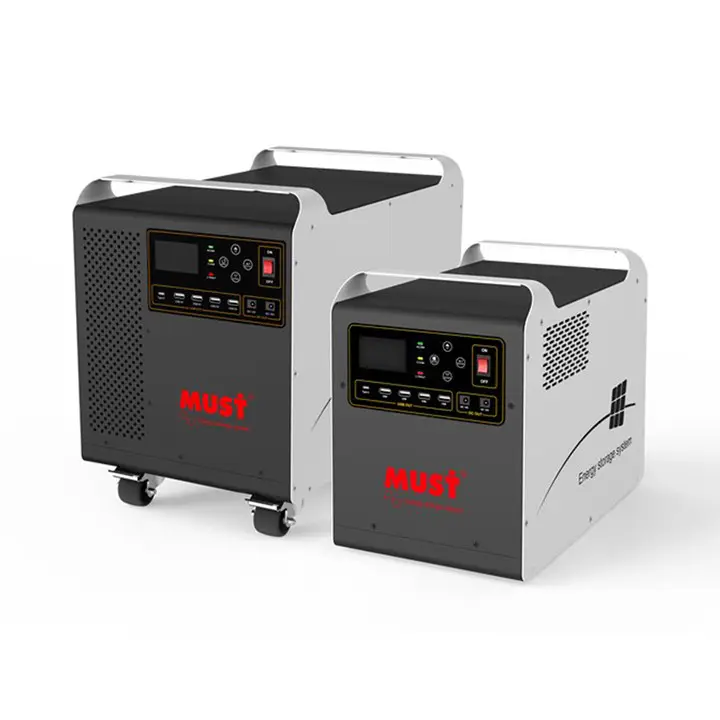
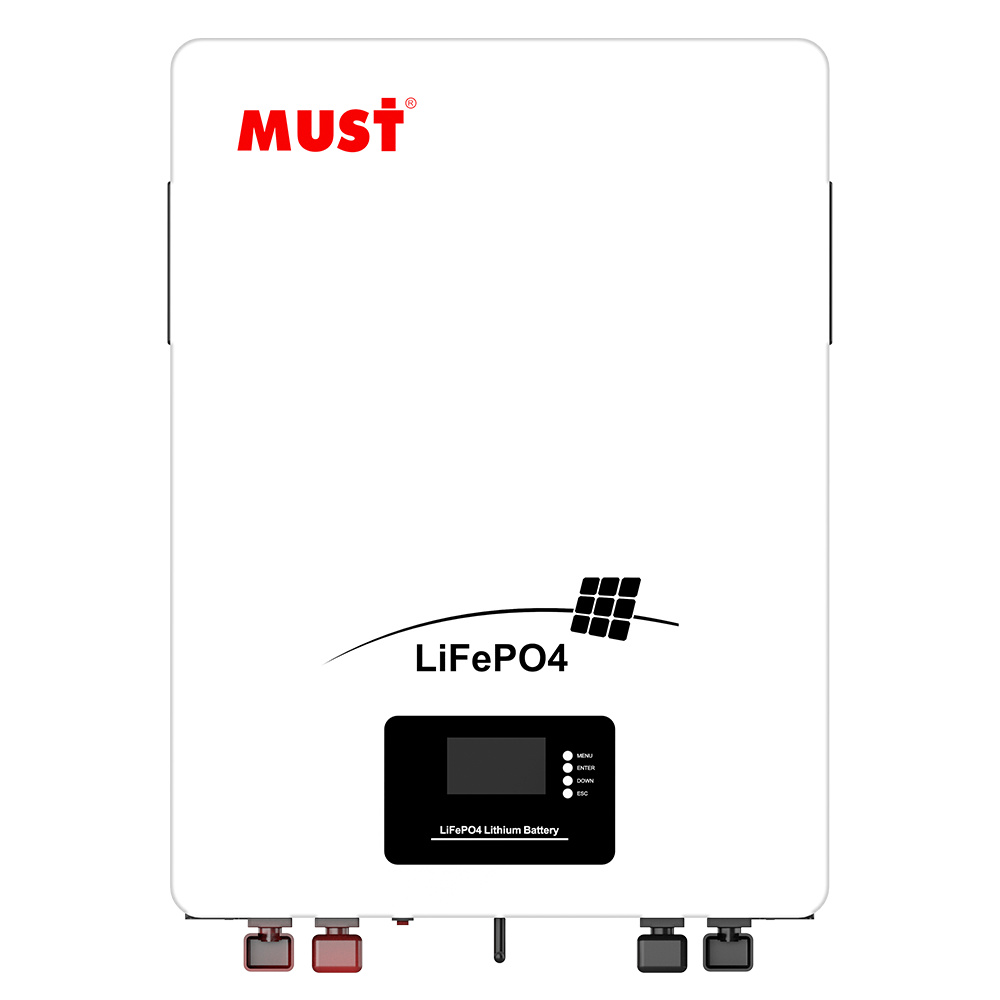
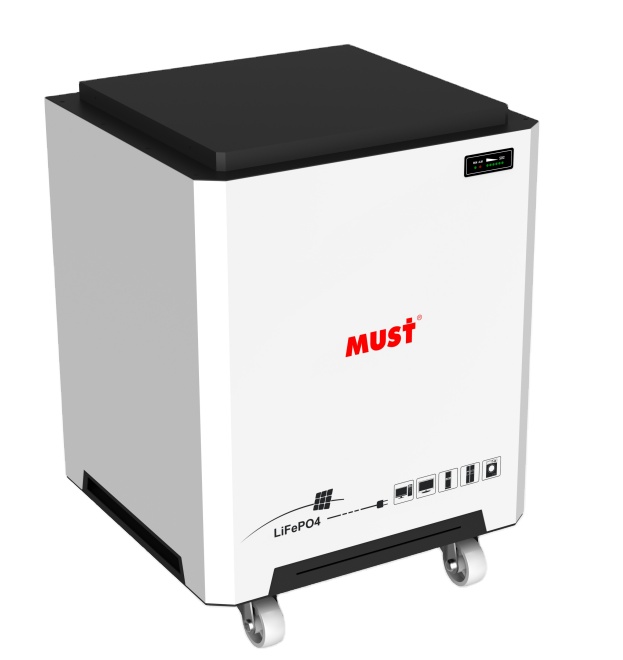
As an industry leader headquartered in Guangdong, China, CJH Energy (guangdong) Tech Co., Ltd. (alongside its alliance manufacturing facilities) operates over 31,056 m² of modern production base equipped with automated Surface Mount Technology (SMT) lines, specialized transformer winding machinery, and automated lithium battery module assembly lines. Employing 1,109 skilled personnel and over 80 senior R&D engineers, the company maintains an impressive annual production output exceeding 600,000 units across off-grid inverters, hybrid energy storage systems, MPPT charge controllers, UPS, and LiFePO4 battery packs.
CJH Energy operates strictly under ISO 9001 (Quality Management), ISO 14001 (Environmental Management), and ISO 45001 (Occupational Health & Safety) standards. Furthermore, production facilities have been verified on-site by TÜV Rheinland, providing global buyers with verifiable confidence in manufacturing authenticity and quality control execution.
Full-Spectrum Customization (OEM & ODM Services)
To assist global brand partners in establishing local market dominance, CJH Energy offers comprehensive original equipment and design customization services:
Firmware & BMS Protocol Tailoring: Customizing CAN/RS485 communication protocols for instant plug-and-play compatibility with third-party inverter/battery brands.
Structural & Enclosure Design: Custom metal sheet colors, IP65 outdoor waterproofing upgrades, wall-mounted, rack-mounted, or stackable modular chassis engineering.
Branding & Packaging: Custom silk-screened logos, customized UI display screens, multilingual user manuals, and reinforced drop-test certified export packaging.
Local Warehousing Support: Overseas subsidiary branch offices in Poland (Warsaw), South Africa, Dubai, and Egypt provide local technical support, spare parts handling, and rapid regional order fulfillment.
Frequently Asked Questions (FAQ)
Expert insights addressing key commercial, technical, and regulatory procurement queries for solar importers.
Is CJH Energy a direct factory manufacturer or a trading reseller?
CJH Energy is a genuine custom manufacturer featuring self-owned production workshops covering 31,056 square meters and employing 1,109 staff. Facilities are verified on-site by TÜV Rheinland. We handle end-to-end manufacturing from raw PCB assembly, transformer winding, and battery spot welding to final full-load burn-in testing.
What compliance certifications do your solar inverters and LiFePO4 batteries hold?
Our company quality management systems adhere strictly to ISO 9001, ISO 14001, and ISO 45001. Product-level certifications cover CE, IEC 62109-1/2 (inverter safety), IEC 62619 (lithium battery safety), UN38.3 (transportation safety), and MSDS. Detailed test reports for target export markets can be requested directly from our sales engineering team.
How do I select between 12V, 24V, and 48V system configurations?
As a standard power engineering guideline: 12V DC systems are recommended for small loads under 1kW (mobile RVs, small lighting setups); 24V DC systems suit loads between 1kW and 3kW (small residential back-up); 48V DC systems are essential for loads exceeding 3kW. Operating at 48V lowers DC amperage, allowing thinner copper cabling, minimizing system heat losses, and significantly improving conversion efficiency.
Can your Smart BMS communicate with third-party hybrid inverters?
Yes. Our LiFePO4 battery storage systems come equipped with intelligent BMS supporting RS485, CAN, and RS232 protocols. Our firmware contains built-in protocol libraries compatible with major inverter brands globally. Custom protocol matching can be executed by our 80+ R&D engineering team prior to shipment.
What is the typical production lead time and minimum order quantity (MOQ) for OEM orders?
Standard product samples ship within 5-7 working days. Bulk production orders typically require 20 to 30 days depending on OEM customization requirements (such as enclosure colors, custom firmware, or special packaging). We offer flexible initial sample evaluation MOQs to help distributors test their market before committing to full container volumes.
Partner with China's Premier Solar Inverter & Battery Factory
Whether you require full container wholesale shipments, custom OEM branding, or technical system integration support, our engineering team is ready to assist your business growth.