1. Executive Summary & Market Intelligence: Sourcing PWM Solar Regulators from China
In the global transition toward decentralized off-grid electrification, selecting the optimal power management component is paramount for system durability, levelized cost of energy (LCOE), and long-term operating profit. While Maximum Power Point Tracking (MPPT) topologies dominate high-voltage commercial solar arrays, Pulse Width Modulation (PWM) Solar Charge Controllers remain the undisputed, highly reliable standard for small-to-medium off-grid solar systems (12V, 24V, and 48V applications up to 60A-100A). China stands at the epicenter of world-class photovoltaic power electronics manufacturing, offering unparalleled supply chain efficiency, advanced SMT automation, and robust quality control systems.
As a senior SEO Growth Director and Industrial Solar Procurement Specialist, this technical whitepaper delivers deep semantic information gain regarding PWM charge controllers. Sourcing directly from top-tier Chinese manufacturers like CJH Energy (guangdong) Tech Co., Ltd. ensures access to cutting-edge 3-stage and 4-stage smart PWM algorithms, integrated LiFePO4 Battery Management System (BMS) handshake protocols, high-efficiency low-resistance MOSFET switching architectures, and comprehensive OEM/ODM industrial branding capabilities.
2. Featured Product Portfolio: Integrated Solar Energy Storage & Controller Solutions
Below is our curated showcase of industry-leading solar charge controllers, LiFePO4 powerwalls, hybrid off-grid inverters, and portable solar energy stations. Manufactured under strict ISO 9001 standards and on-site verified by TÜV Rheinland, these products represent the apex of quality for global B2B importers, EPC contractors, and distributors.
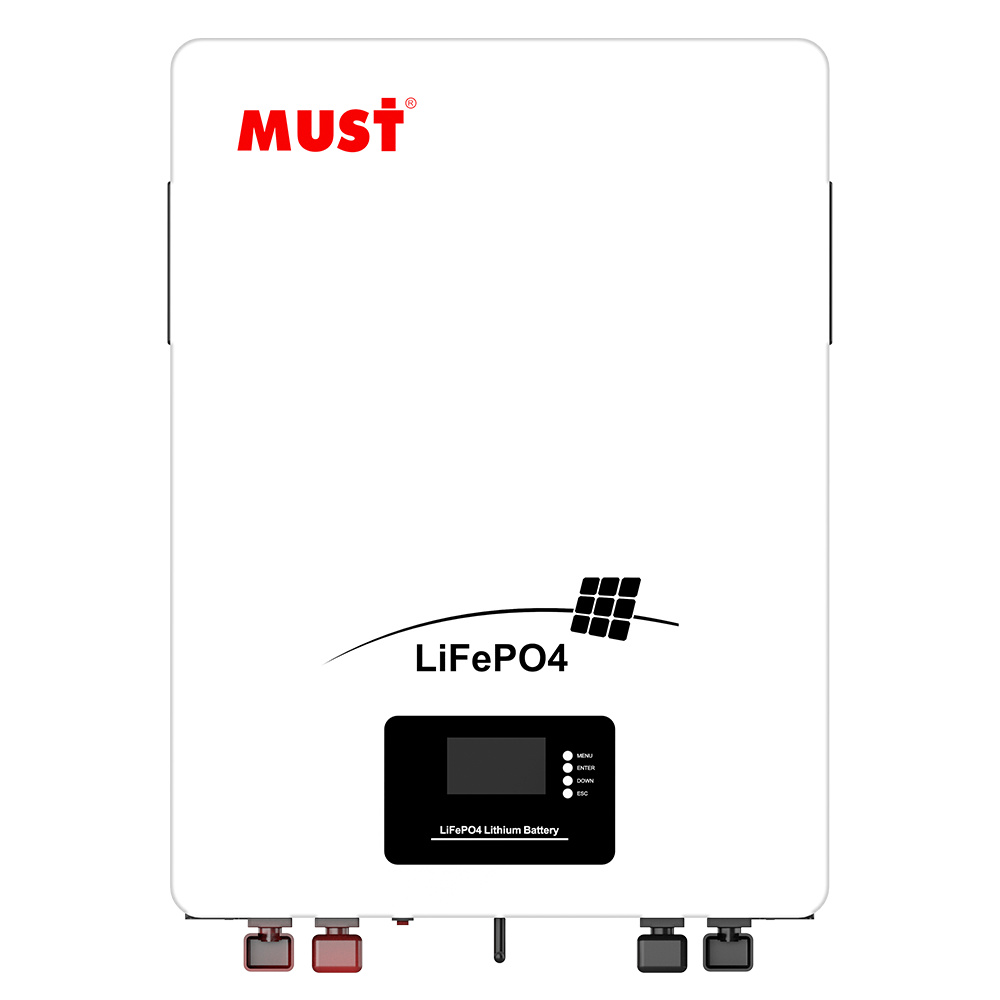
High-density IP65 wall-mount lithium storage with integrated CAN/RS485 smart BMS communication.
View Product Specifications →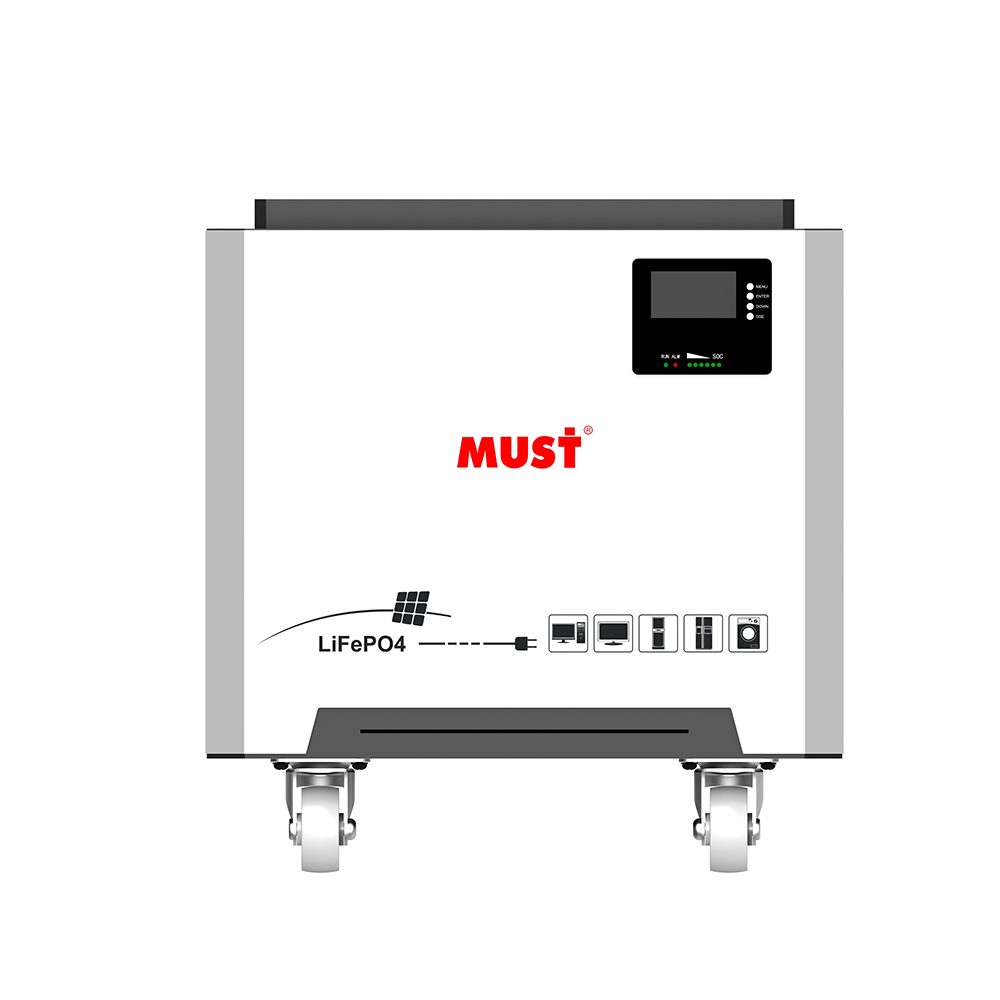
Ultra-long cycle life (6000+ cycles), low internal resistance, engineered for residential backup energy management.
View Product Specifications →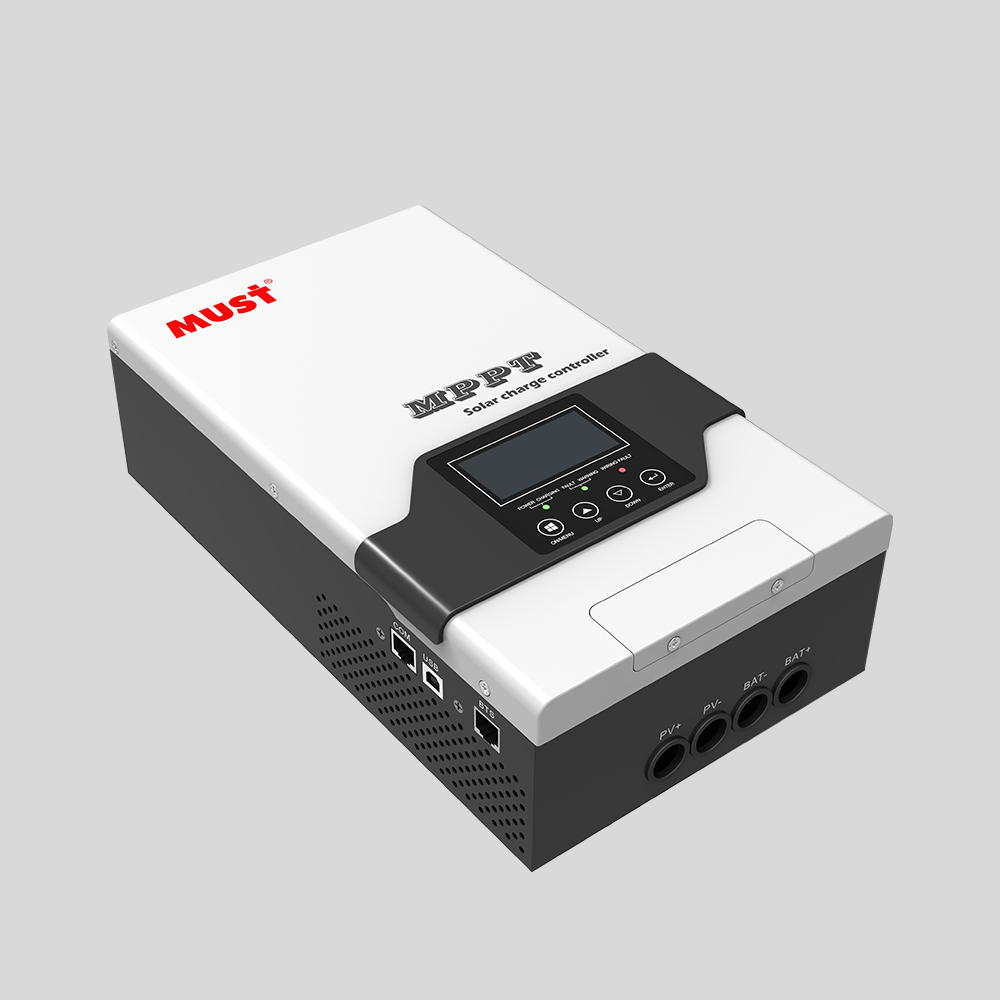
Heavy-duty forced air cooling design with multi-stage regulation for industrial solar systems.
View Product Specifications →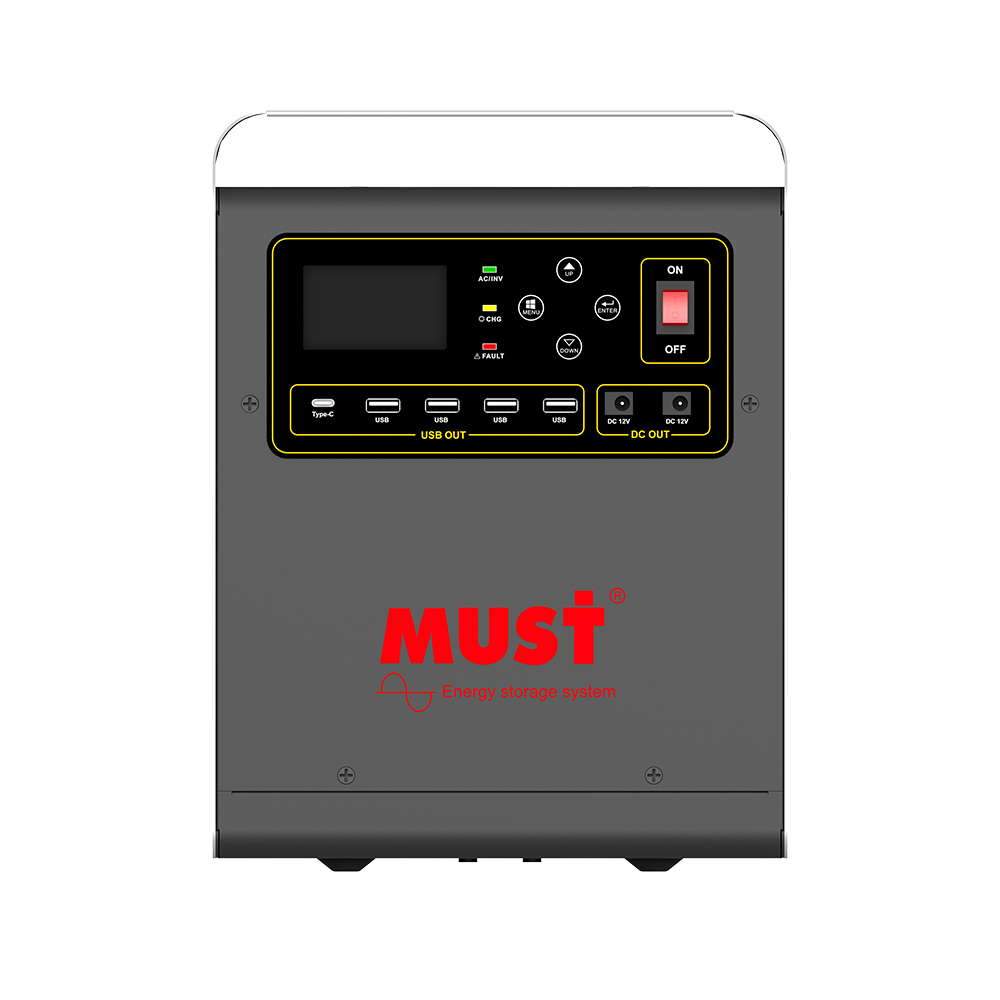
All-in-one emergency mobile solar generator featuring wireless phone charging and plug-and-play operation.
View Product Specifications →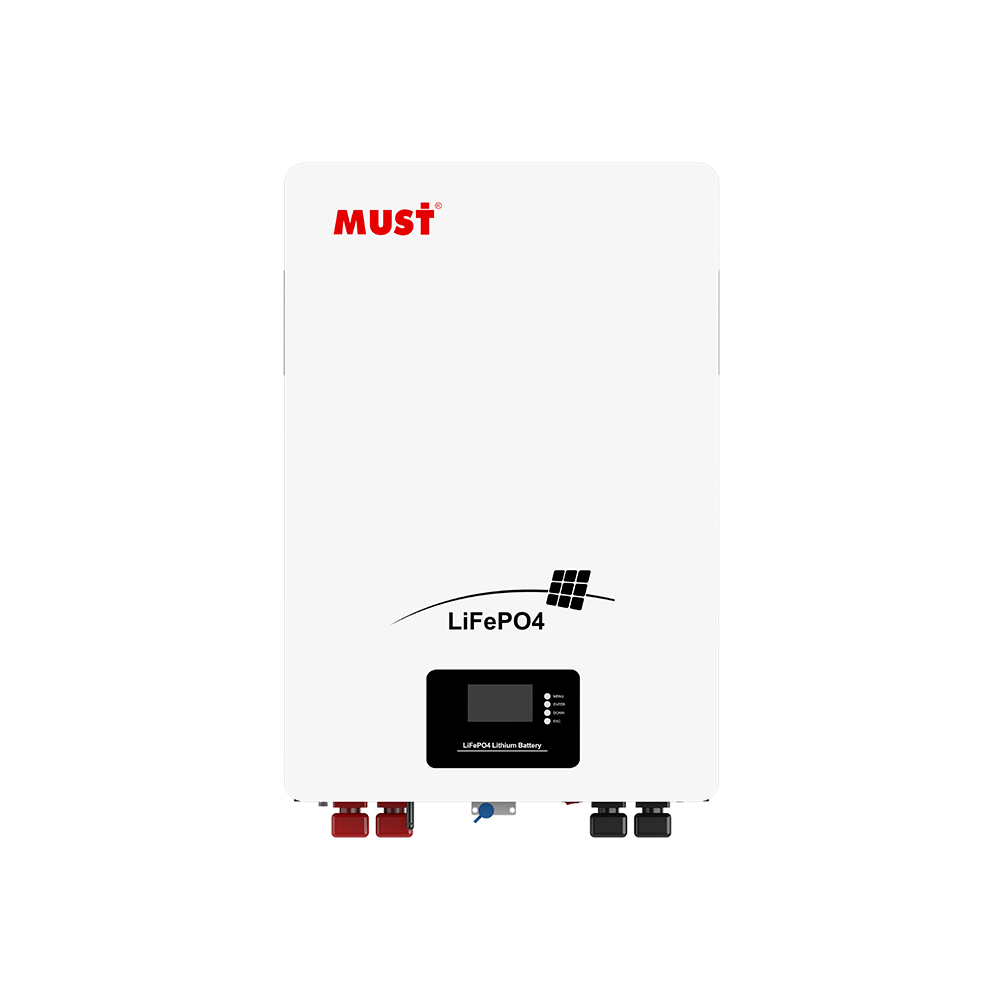
Next-generation solid-state lithium design maximizing thermal safety and energy density for microgrids.
View Product Specifications →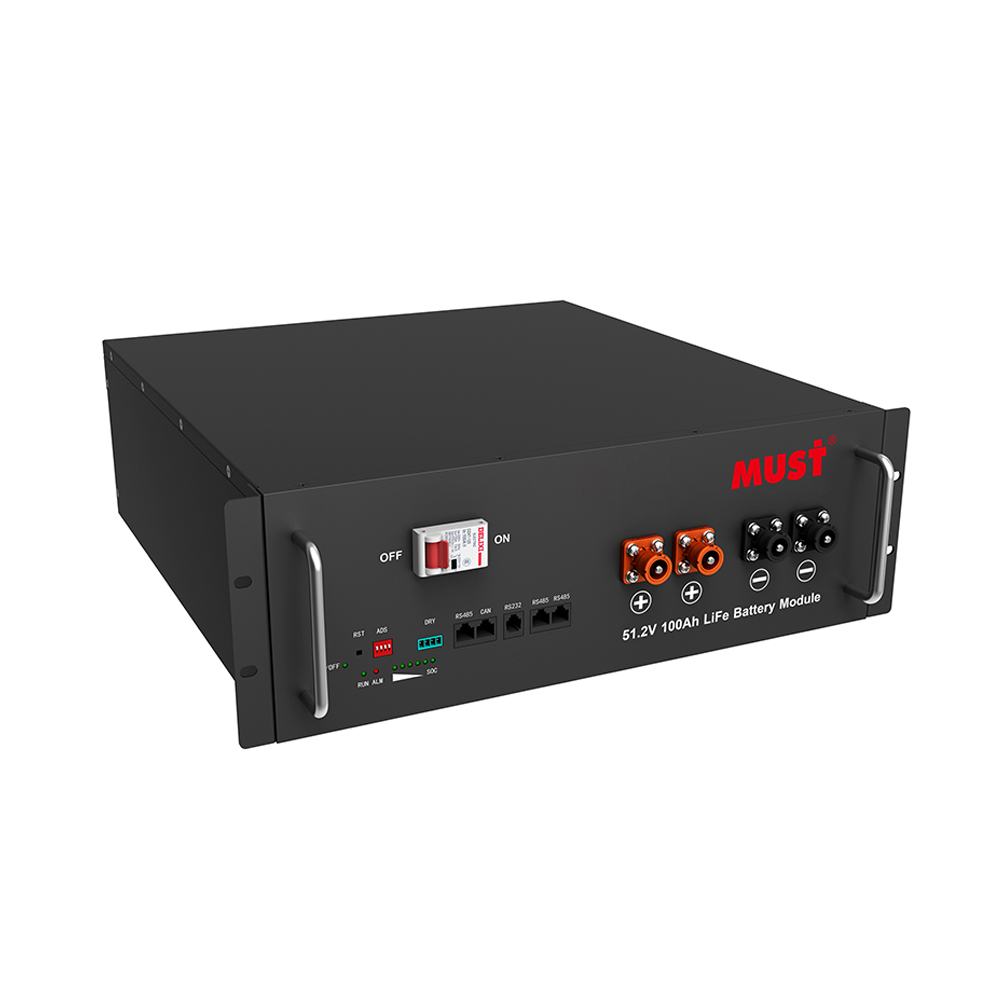
Compact modular residential power wall delivering robust energy security against grid load-shedding.
View Product Specifications →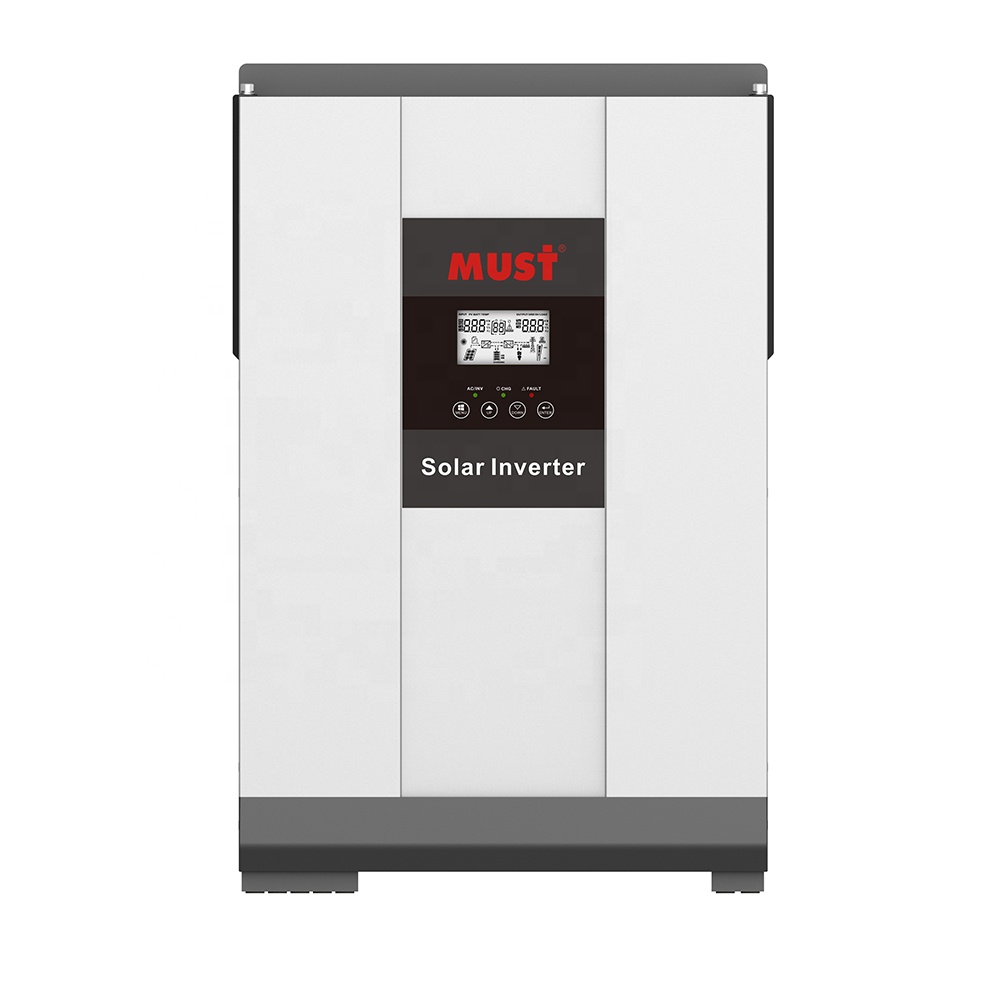
Dual AC output pure sine wave hybrid inverter with high PV input voltage handling and battery-less startup options.
View Product Specifications →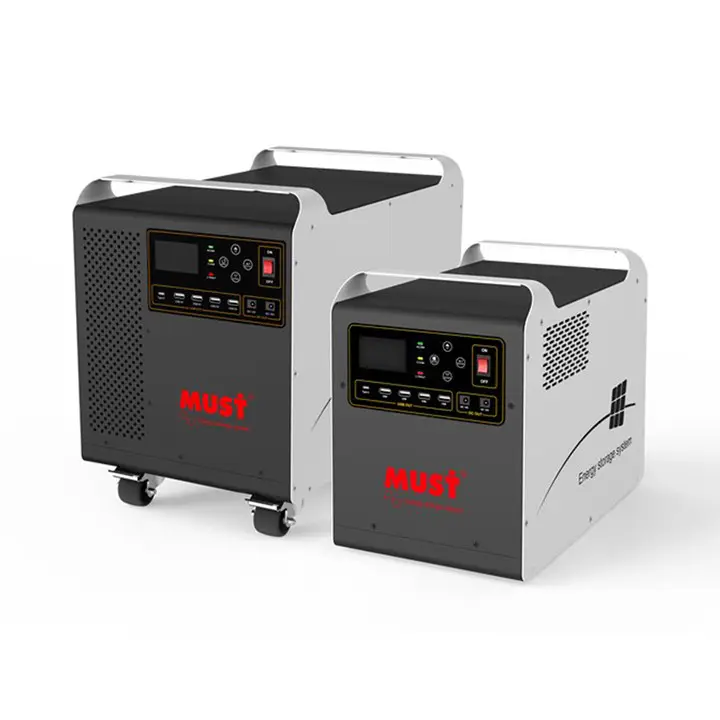
Lightweight, robust outdoor power generator designed for vehicular charge systems and camping emergency power.
View Product Specifications →Need Customized PWM Controllers or OEM Wholesale Pricing?
Consult with our engineering sales team to receive factory-direct specs, minimum order quantity details, custom casing mockups, and tailored freight quotes within 24 hours.
Get a Quote3. Engineering Principles & Technical Evolution of PWM Charge Regulators
Understanding the physics behind Pulse Width Modulation charge regulation is crucial for global buyers evaluating supplier specs. Unlike a simple mechanical relay that abruptly connects or disconnects the solar array, a modern electronic PWM charge controller adjusts the duty cycle of high-speed solid-state MOSFET switches to taper battery current dynamically.
3-Stage Intelligent Algorithm
Bulk, Absorption, and Float charging stages maximize battery capacity while preventing electrolyte evaporation and plate sulfation.
Comprehensive Electronic Protection
Automated safeguards against reverse polarity, short circuits, over-current, reverse night-current feed, and thermal overload.
Multi-Chemistry Profiles
Microcontroller-driven parameter presets tailored for Flooded, Sealed Lead-Acid (SLA), GEL, AGM, and LiFePO4 chemistry packs.
The 4 Stages of Advanced PWM Charging Explained
- Bulk Charge Phase: The controller connects the PV array directly to the battery bank, delivering 100% of available solar current to rapidly restore energy levels up to approximately 80% State of Charge (SoC).
- Absorption (Constant Voltage) Phase: Upon reaching the absorption voltage threshold (e.g., 14.4V for a 12V SLA battery), the controller switches to high-frequency PWM switching. The duty cycle decreases progressively to maintain a constant battery voltage while preventing overheating and excessive gas generation.
- Float Charge Phase: Once the battery is fully charged, the PWM controller reduces the target voltage to a trickle float level (e.g., 13.7V). This compensates for self-discharge and keeps the battery at 100% readiness without stress.
- Equalization Phase (Periodic Maintenance): For flooded lead-acid batteries, the controller executes a controlled over-voltage charge cycle every 28 to 30 days. This stirs up the electrolyte balance, eliminates acid stratification, and dissolves sulfate deposits from lead plates.
4. Comparative Analysis: PWM vs. MPPT Technology Sourcing Matrix
A frequent decision point for B2B procurement managers is determining when to specify PWM vs. MPPT controllers. The table below outlines key engineering trade-offs to optimize project profitability.
| Technical Benchmark | PWM Solar Charge Controller | MPPT Solar Charge Controller |
|---|---|---|
| Operating Principle | Direct pulse switching (MOSFET switch matching V_pv to V_batt) | DC-to-DC converter adjusting impedance to hit V_mpp |
| Peak Conversion Efficiency | 75% - 80% (Depends on PV-to-Battery voltage match) | 96% - 99% (Under variable radiation & thermal delta) |
| Optimal System Power Range | Small to Medium Arrays (10W - 600W system sizes) | Medium to Mega Arrays (500W up to Commercial MW) |
| Input PV Voltage Margin | Must strictly match nominal battery bank voltage (e.g. 18V Vmp for 12V battery) | Supports high PV array voltages (up to 150V - 500V Voc) |
| Unit Sourcing Cost (B2B Price) | Very Low (Highly Cost-Effective BOM) | Moderate to High (Complex inductor/DSP design) |
| Thermal Dissipation & Reliability | Minimal component count; high mean-time between failure (MTBF) | Active or large passive heatsink required; higher component count |
| Best Application Suitability | Streetlights, RVs, telecommunication stations, rural home kits | Grid-tied energy storage, large residential backup, utility solar |
5. Future Sourcing & Procurement Trends for PWM Controllers (2025–2030)
As solar installers and regional brands seek higher margins and differentiated offerings, China's solar exporter ecosystem is undergoing pivotal technical shifts. Strategic buyers should align their procurement roadmaps with the following four trends:
1. Integration of LiFePO4 BMS Handshake Protocols
Traditional PWM controllers were engineered exclusively for lead-acid chemistries. Sourcing modern controllers requires verifying Lithium Wake-up Functionality and dual RS485/CAN bus interfaces. When a lithium battery BMS triggers low-voltage disconnect (LVD), standard regulators fail to detect voltage at the terminals and freeze solar charging. Next-generation Chinese PWM controllers transmit a micro-pulse activation signal to automatically reactivate dormant lithium BMS protection circuits.
2. IoT Connectivity & Bluetooth App Control
End-users increasingly demand wireless telemetry. Leading Chinese suppliers are integrating low-power Bluetooth 5.0 and Wi-Fi IoT modules directly into compact PWM controller chassis. Importers can request customized white-label iOS and Android apps, allowing users to monitor solar power input, battery percentage, load status, and fault logs in real time.
3. Solid-State Design & Extreme Environment IP Enclosures
In tropical, coastal, or high-humidity regions (such as Southeast Asia, West Africa, and South America), environmental ingress leads to board corrosion. Importers are turning toward fully potted IP67/IP68 waterproof PWM regulators utilizing aluminum heatsinks and solid-state potting compounds to guarantee a 10-year field service life.
4. High Voltage & Dual-Load Output Innovations
Modern PWM developments include dual-battery bank control algorithms (designed for marine and RV applications to charge engine starter batteries and house batteries simultaneously) and low-voltage DC LED light driver integrations with programmable dusk-to-dawn timers.
6. Manufacturer Strength & Enterprise Advantages: Why Partner with CJH Energy?
Choosing the right Chinese exporter requires evaluating manufacturing infrastructure, OEM flexibility, and international compliance. CJH Energy (guangdong) Tech Co., Ltd. is a premier custom manufacturer of off-grid solar inverters, MPPT/PWM charge controllers, LiFePO4 lithium batteries, and emergency energy storage systems.
Massive Production Scale
Spanning an expansive 31,056 m² manufacturing park with over 1,109 skilled employees, CJH Energy achieves an annual capacity exceeding 600,000 units across 10 product categories.
Rigorous ISO & TÜV Certification
Our management systems adhere to ISO 9001, ISO 14001, and ISO 45001 standards. Furthermore, our factory layout and manufacturing integrity have been on-site audited and verified by TÜV Rheinland.
80+ Engineer R&D Team for OEM/ODM
Holding multiple national invention patents, our engineering team offers full ODM customization, including custom circuit board designs, firmware parameters, casing toolings, and packaging.
To deliver rapid technical assistance and localized logistics, CJH Energy has established strategic subsidiary hubs and overseas support offices in Poland (Warsaw regional office), South Africa, Dubai, and Egypt. This infrastructure guarantees faster warranty turnaround, local stock options, and seamless communications across all time zones.
7. Procurement FAQ: Frequently Asked Questions by Global Solar Buyers
Partner with China's Premier Solar Electronics Manufacturer
Whether you require standard 10A-60A PWM charge controllers, high-performance MPPT regulators, hybrid inverters, or 10kWh LiFePO4 powerwalls, CJH Energy provides world-class quality at factory-direct wholesale rates.
Get a Quote