Featured Off-Grid Inverters & Energy Storage Systems
Explore factory-direct wholesale products engineered for weak-grid environments, microgrids, and residential energy independence.
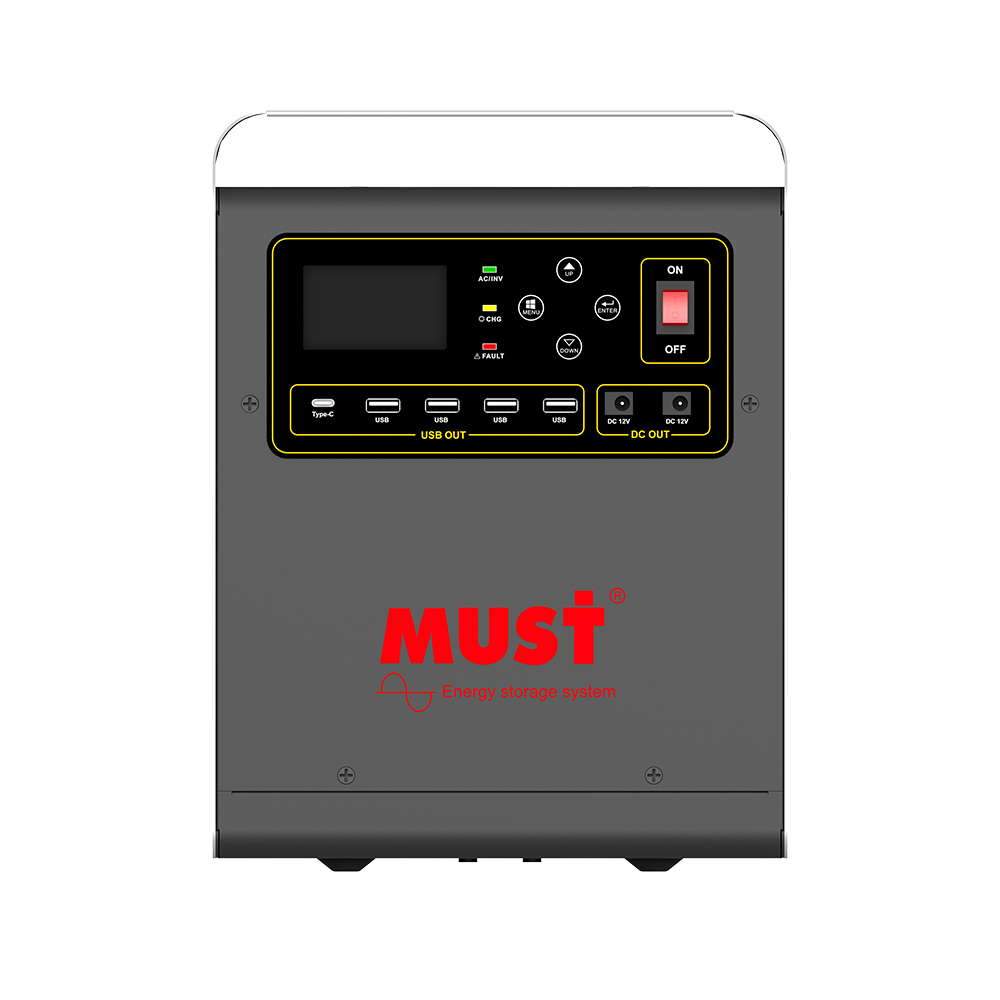
MUST 1KW Portable Solar Power Station 1KWH LiFePO4 Battery with MPPT
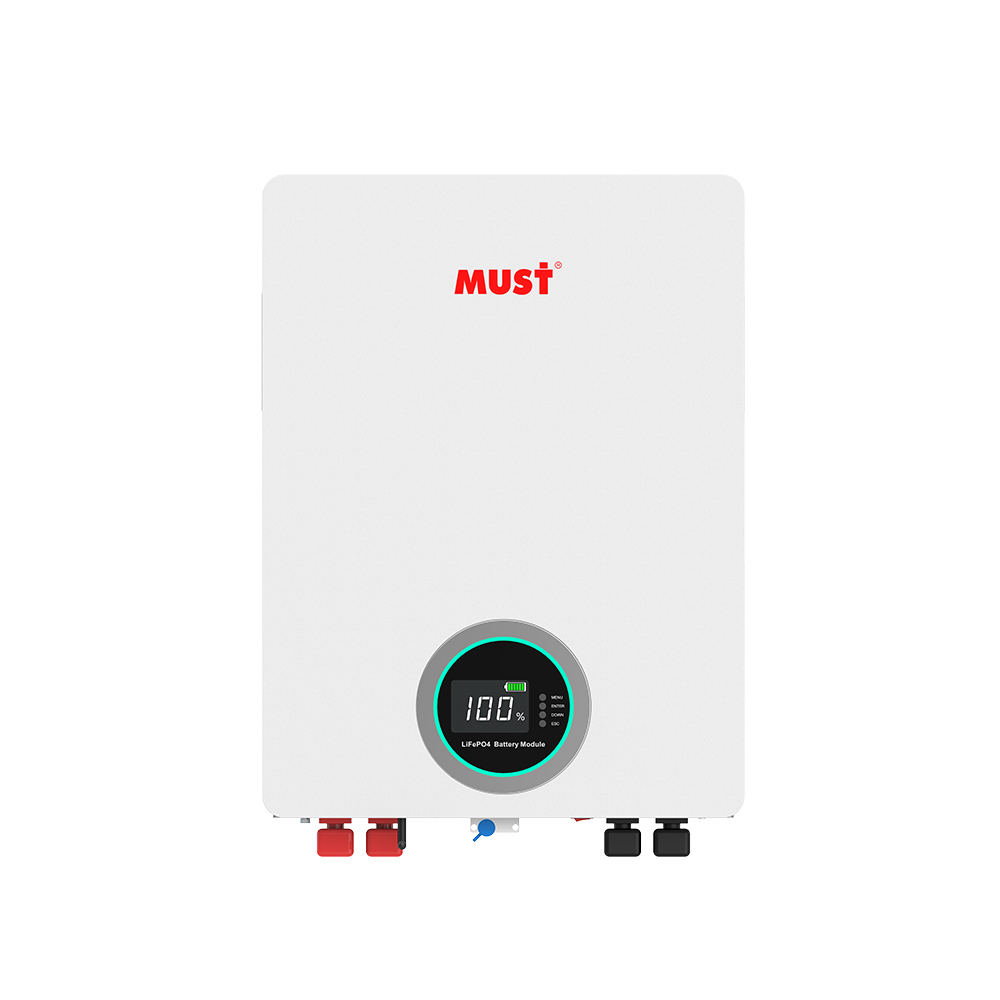
10kWh LiFePO4 Energy Storage Battery | 48V 200Ah Lithium Battery for Home
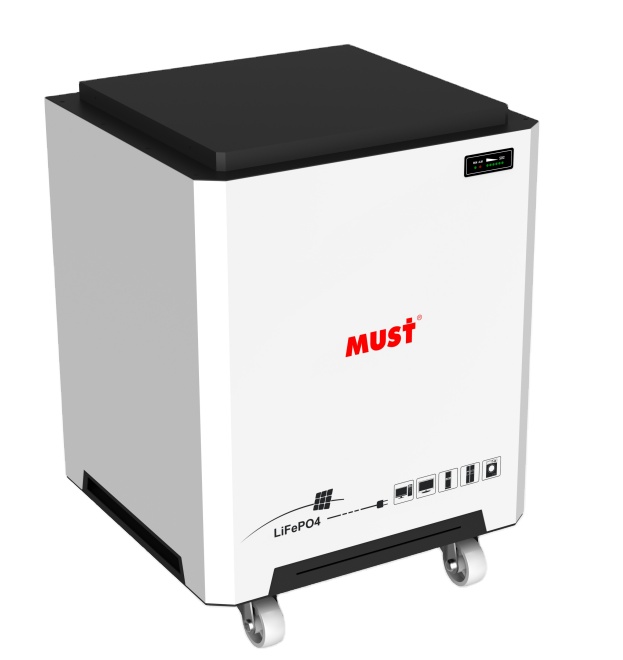
MUST BYD 51.2V 200Ah Tower Lithium Ion Battery Pack 5kWh - 20kWh
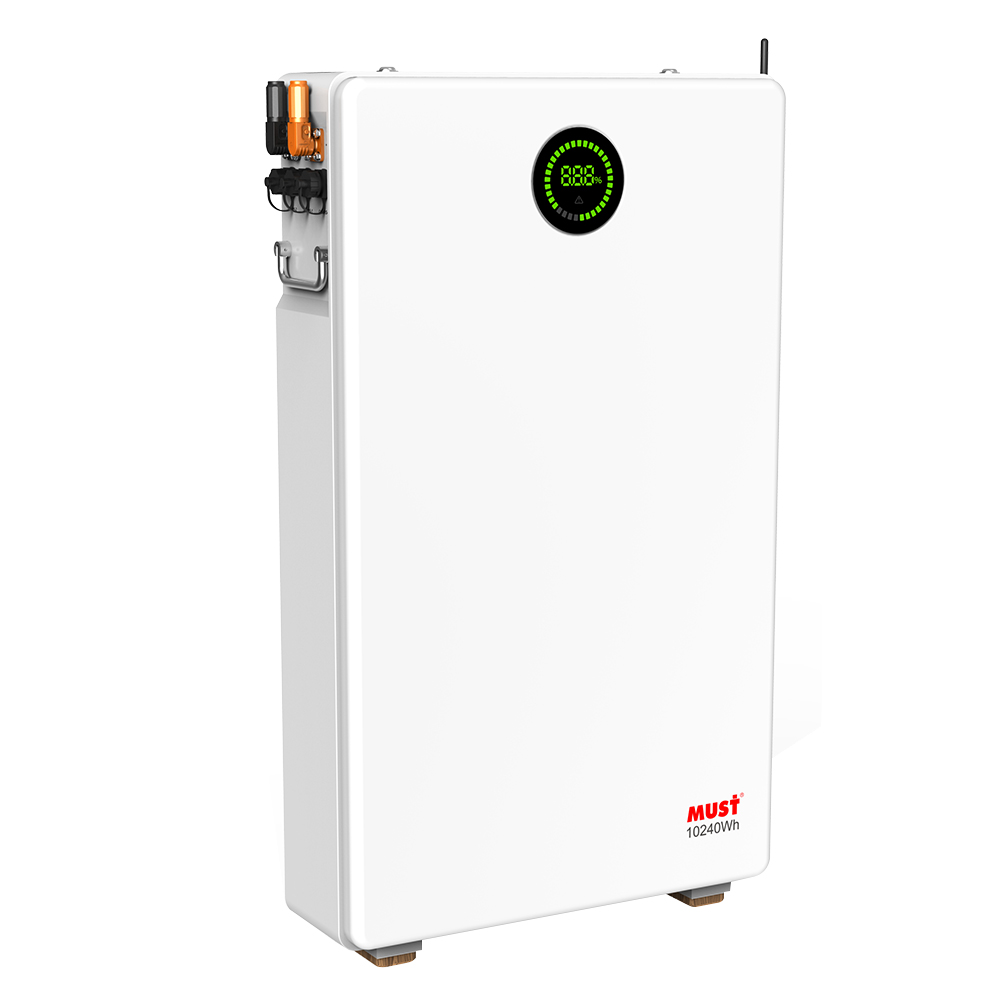
China IP65 Waterproof 48V Wall-Mounted LiFePO4 Solar Storage Battery
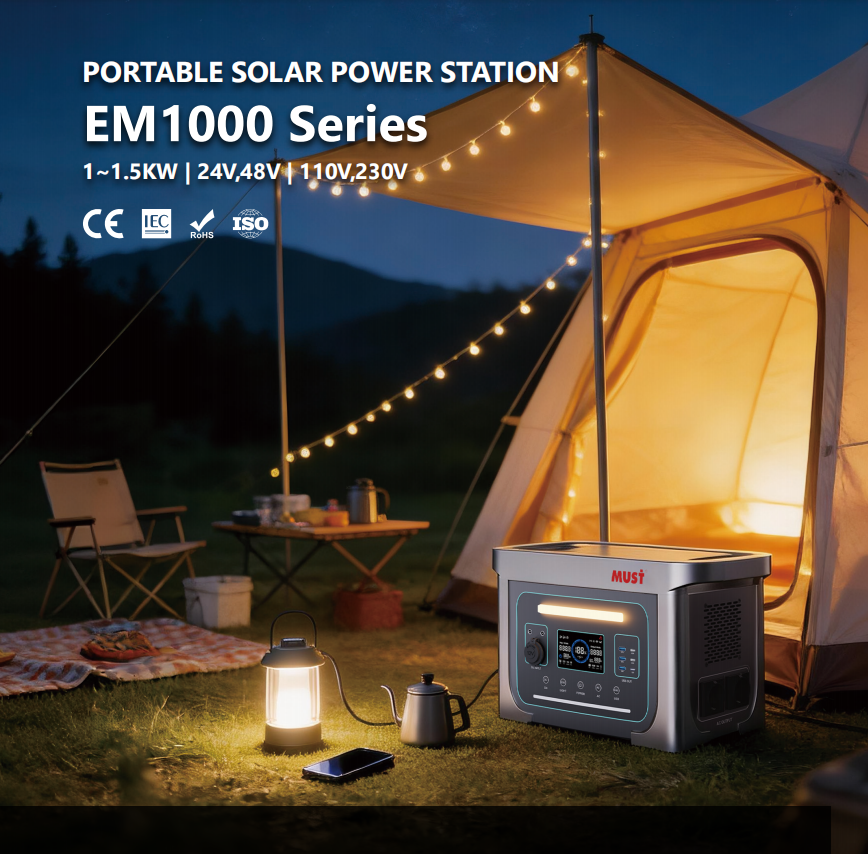
MUST EM1000S Portable All-in-One Solar Generator & Power Station

LP2800 Series 48V LiFePO4 Battery 7000+ Cycles IP65 10-Yr Warranty
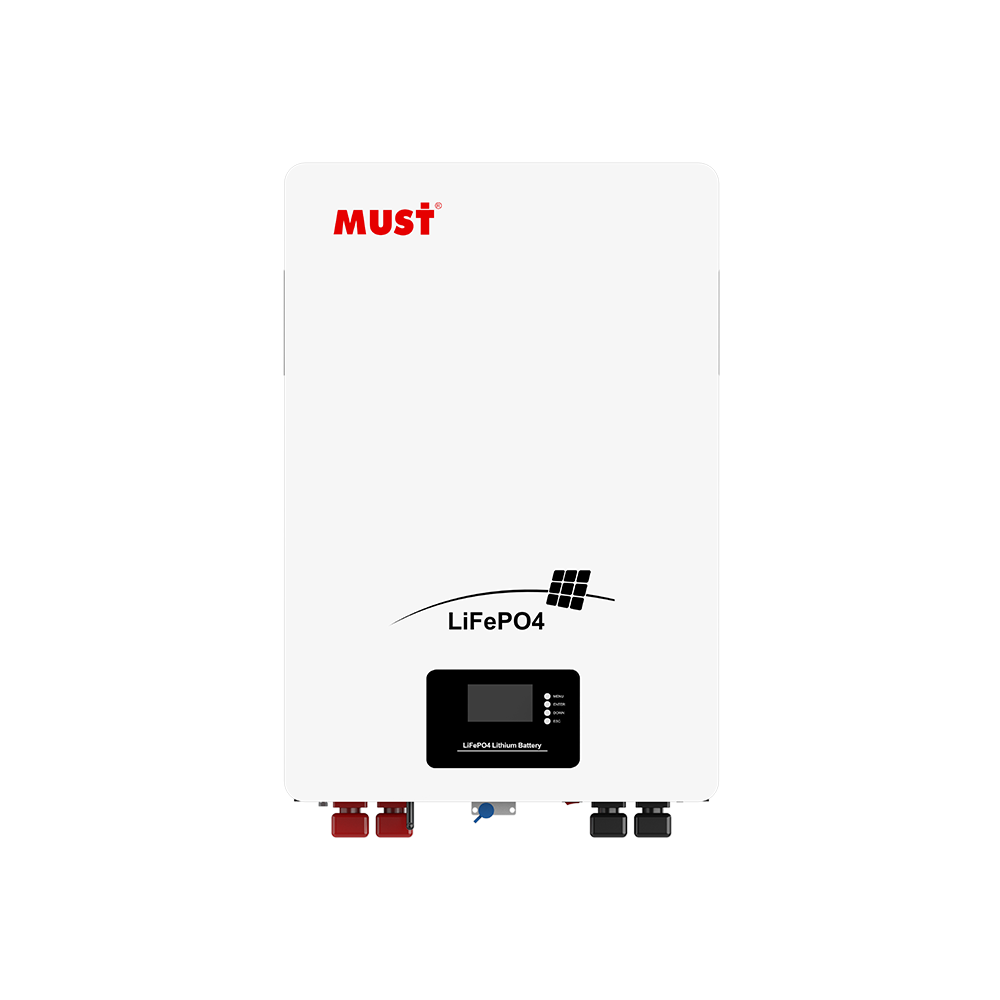
LP16 Wall-Mounted 48V 100Ah 10kWh LiFePO4 Powerwall Energy Storage
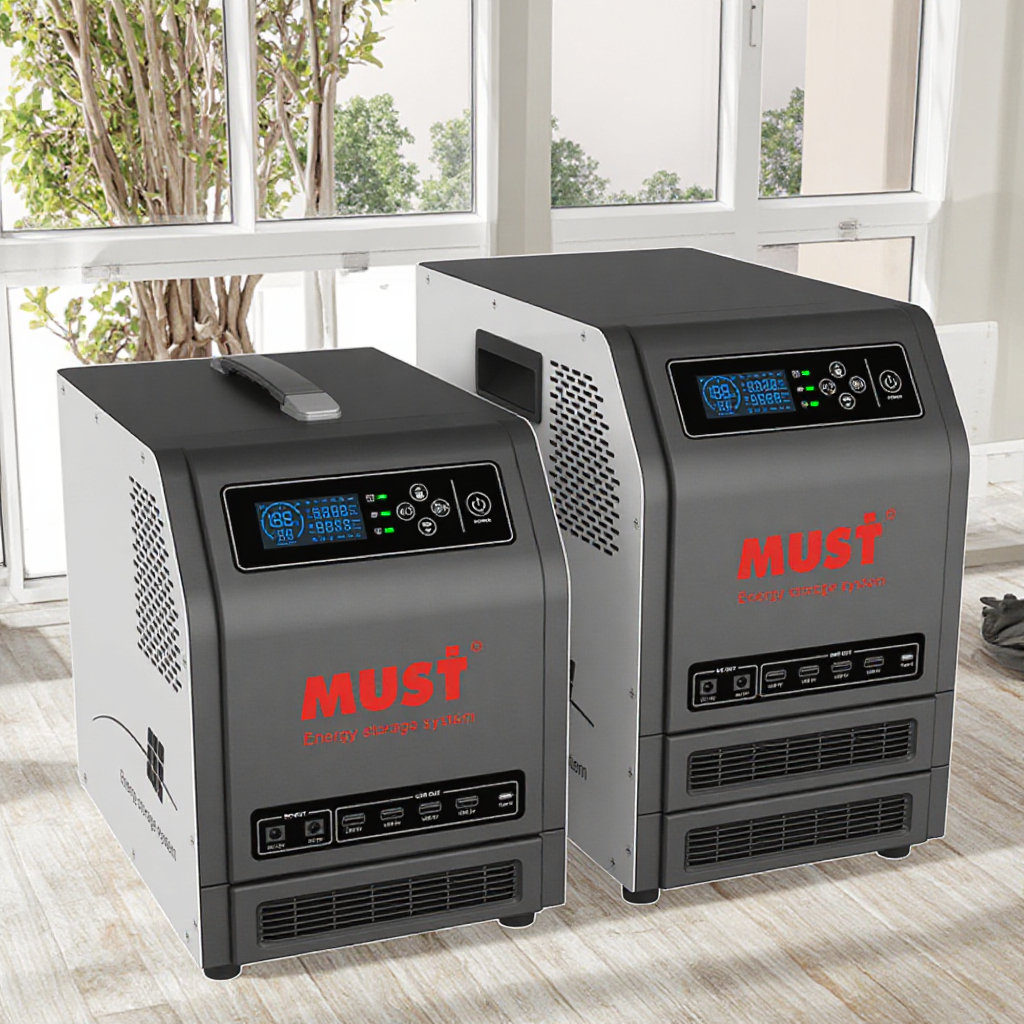
Portable Solar Power Station 1KW 2KW 3KW with LiFePO4 & MPPT Controller
Industry Whitepaper: Strategic Sourcing of Off-Grid Solar Inverters from China
The global transition toward decentralized clean energy infrastructure has accelerated the strategic importance of high-performance off-grid solar inverters and integrated LiFePO4 energy storage systems (ESS). As power grids in emerging markets face frequent load-shedding and developed nations seek energy independence from volatile utility prices, international B2B importers, EPC contractors, and regional distributors require manufacturing partners who offer structural innovation, rigorous quality assurance, and deep hardware customization.
Why CJH Energy Leads China's Solar Export & Wholesale Infrastructure
CJH Energy (guangdong) Tech Co., Ltd. operates a state-of-the-art 31,056 m² manufacturing facility powered by 1,109 skilled employees and an advanced R&D powerhouse consisting of over 80 specialized power electronics engineers. Holding ISO 9001, ISO 14001, and ISO 45001 international certifications, CJH Energy is an on-site verified manufacturer by TÜV Rheinland. With an annual output exceeding 600,000 units across 10+ core solar categories, CJH serves as the primary original equipment manufacturer (OEM) and original design manufacturer (ODM) for premier clean-energy brands in Europe, Africa, the Middle East, and Latin America.
Massive Scalable Capacity
31,056 m² manufacturing floorspace housing automated SMT lines, dual-stage transformer assembly, and automated burn-in testing bays capable of delivering 600,000 inverters and battery packs annually.
Full Customization & Firmware Modification
Over 80 R&D engineers tailor CANbus, RS485, and RS232 protocols for seamless integration with major lithium battery brands, adjusting firmware for specific grid-code compliance.
Multi-Tier Quality Guarantee
TÜV Rheinland verified operations backed by 100% full-load aging tests under high ambient temperature (45°C+) to guarantee ultra-low field failure rates (<0.3%).
Next-Generation Development Trends in Off-Grid Solar Architecture
As the solar energy storage landscape matures, off-grid power conversion systems are rapidly transitioning from simple standby power units to intelligent, high-efficiency microgrid hubs. Understanding these global technology shifts equips B2B buyers to select product lines with maximum market longevity.
1. High PV Input Voltage Topologies (450V - 500V Voc)
Traditional low-voltage off-grid inverters required complex parallel string configurations, leading to high cabling costs and energy loss across PV combiner boxes. Modern off-grid inverters—such as the CJH & MUST 5kW and 6kW series—incorporate wide MPPT voltage ranges reaching up to 450VDC - 500VDC. This allows installers to wire solar panels in long single series strings, reducing installation labor by 35% while increasing total solar conversion efficiency to 98%.
2. High-Frequency vs. Low-Frequency Convergence
The market is splitting into two clear application tracks. High-frequency (HF) transformerless inverters dominate urban residential deployments due to their light weight, compact footprint, and higher idle efficiency. Conversely, heavy-duty low-frequency (LF) inverters featuring massive copper toroidal transformers remain indispensable for commercial loads, heavy machinery, motor-driven water pumps, and air compressors that require up to 300% surge capacity for 10 seconds.
3. High-Cycle Prismatic LiFePO4 Chemistry Dominance
Lead-acid and Gel batteries are rapidly being phased out globally in favor of Lithium Iron Phosphate (LiFePO4). With prismatic Grade-A LiFePO4 cells delivering over 6,000 to 7,000+ DOD cycles at 80% capacity retention, total cost of ownership (TCO) drops dramatically over a 10-year period. Features such as built-in smart BMS displaying real-time cell balancing, touch-screen telemetry, and IP65 waterproof wall-mounted enclosures represent the new baseline expectation for premium wholesale supply.
| Architecture Type | Core Technology | Surge Rating | Conversion Efficiency | Primary Wholesale Market |
|---|---|---|---|---|
| High-Frequency Off-Grid | MOSFET / IGBT Transformerless | 2x Rated Power (5 sec) | 93% - 97% | Urban Residential, Light Commercial |
| Low-Frequency Heavy Duty | Copper Toroidal Transformer | 3x Rated Power (10 sec) | 88% - 92% | Industrial Motors, Agriculture, Heavy Machinery |
| On/Off-Grid Hybrid | Dual MPPT + Grid Interactive | 1.5x Rated Power (Continuous) | 96% - 98% | Europe, North America, Net-Metering Regions |
| LiFePO4 Storage (Wall/Rack) | Grade-A Prismatic Cells + CAN BMS | Up to 200A Continuous Discharge | 99% Round-Trip Efficiency | Global Home Energy Storage Systems (HESS) |
Future Procurement & Supply Chain Trends for Global Buyers
Navigating international supply chains requires a forward-looking procurement strategy. Procurement directors must account for localized service networks, evolving environmental regulations, and modular stock management:
- Regionalized Warehouse Buffer Stock: Importers are shifting away from direct container-to-jobsite logistics. Leading manufacturers maintain regional hub offices and stocks—such as CJH’s strategic locations in Poland (Warsaw), South Africa, Dubai, and Egypt—to allow wholesale partners to pull emergency inventory within 48 hours.
- Protocol Interoperability: Closed-loop battery-inverter ecosystems are giving way to open-protocol standardizations. Inverters must natively support auto-matching communication protocols (CAN/RS485) to work seamlessly across diverse battery brands (BYD, Pylontech, MUST, CATL).
- Plug-and-Play All-in-One Systems: To reduce installation costs caused by shortage of skilled electricians in destination markets, demand for pre-wired "All-In-One" systems (integrating inverter, MPPT controller, and lithium battery into a single tower) is projected to grow by 28% annually through 2030.
• 12V DC Systems: Recommended for portable applications, RVs, and small loads under 1kW.
• 24V DC Systems: Ideal for budget residential backup power requirements from 1kW to 3kW.
• 48V / 51.2V DC Systems: The global standard for systems above 3kW to 15kW. Higher battery voltage reduces current flow, allowing thinner copper cabling, minimizing thermal loss, and enhancing overall system safety.
Frequently Asked Procurement Questions (FAQ)
Direct engineering and commercial answers to clarify your importing process.
Ready to Partner with China's Premier Off-Grid Solar Manufacturer?
Contact our engineering sales team today to request wholesale pricing catalogs, custom OEM project assessments, or sample units for lab evaluation.
Get a Quote