Type to filter product categories, resources and company pages.
2025 Industrial Whitepaper & Product Directory
China Best Off Grid Inverter Charger Manufacturers & Manufacturer
A Technical Engineering Guide to High-Reliability Power Inverters, MPPT Integration, & Tier-1 OEM Manufacturing Capabilities
Featured Commercial & Residential Off-Grid Products
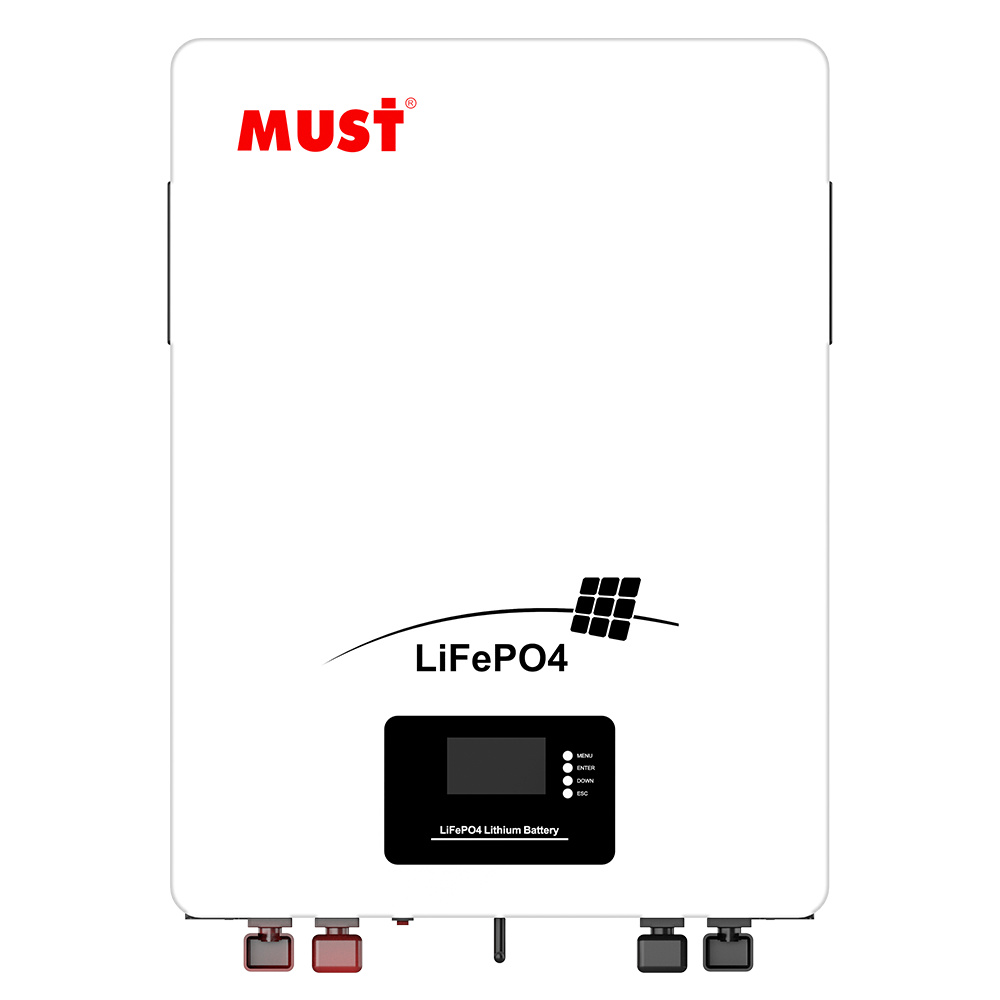
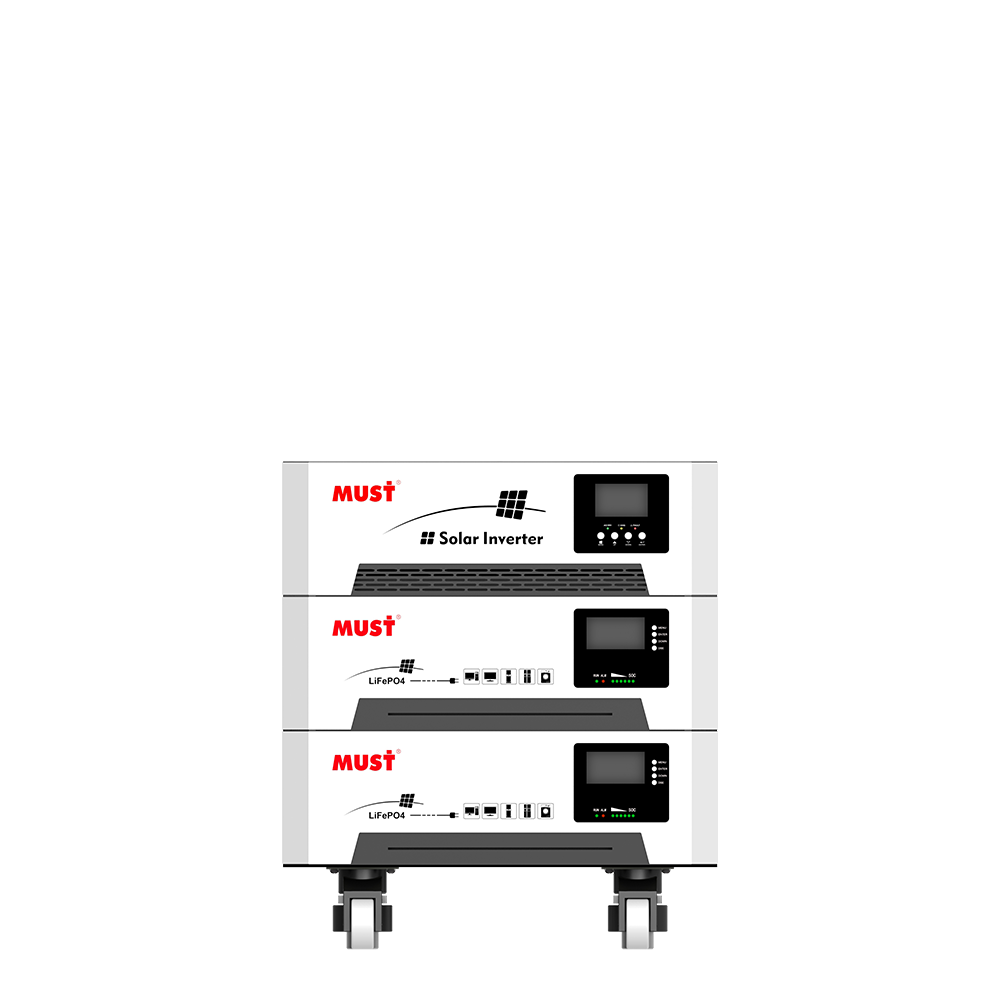
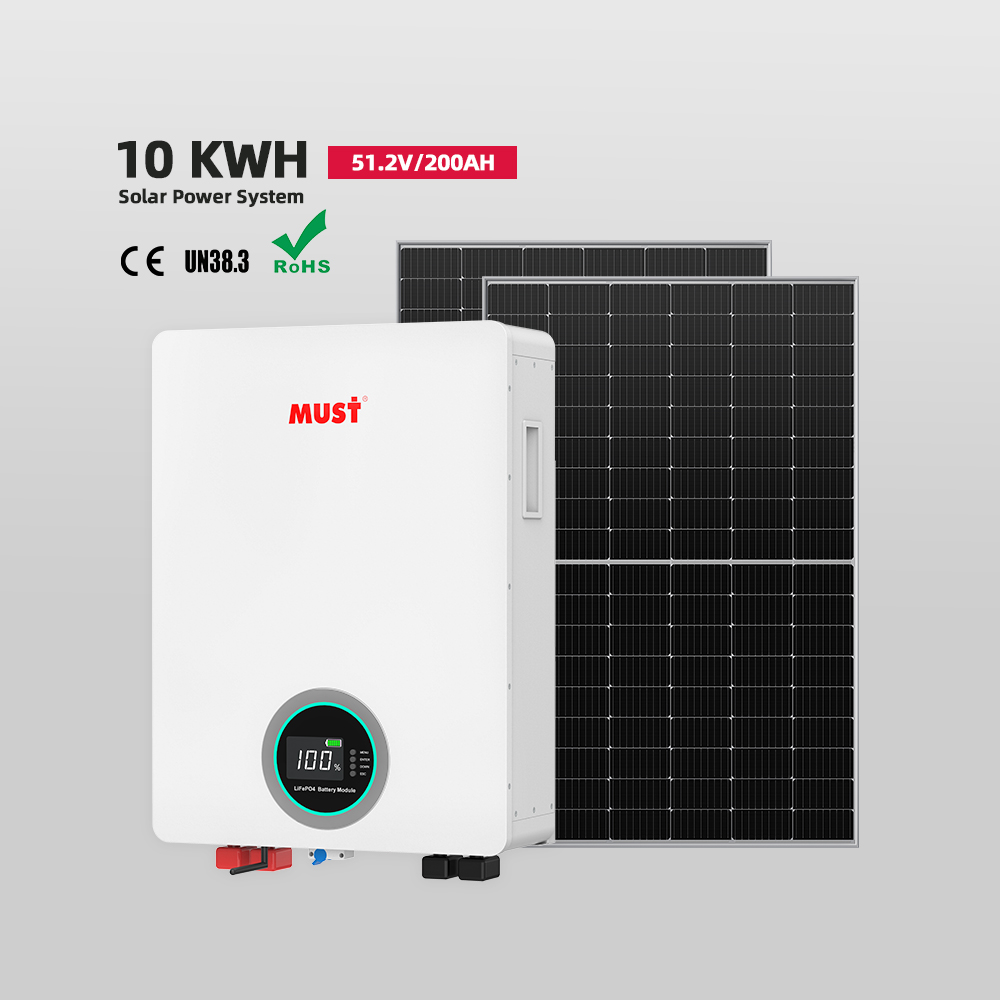
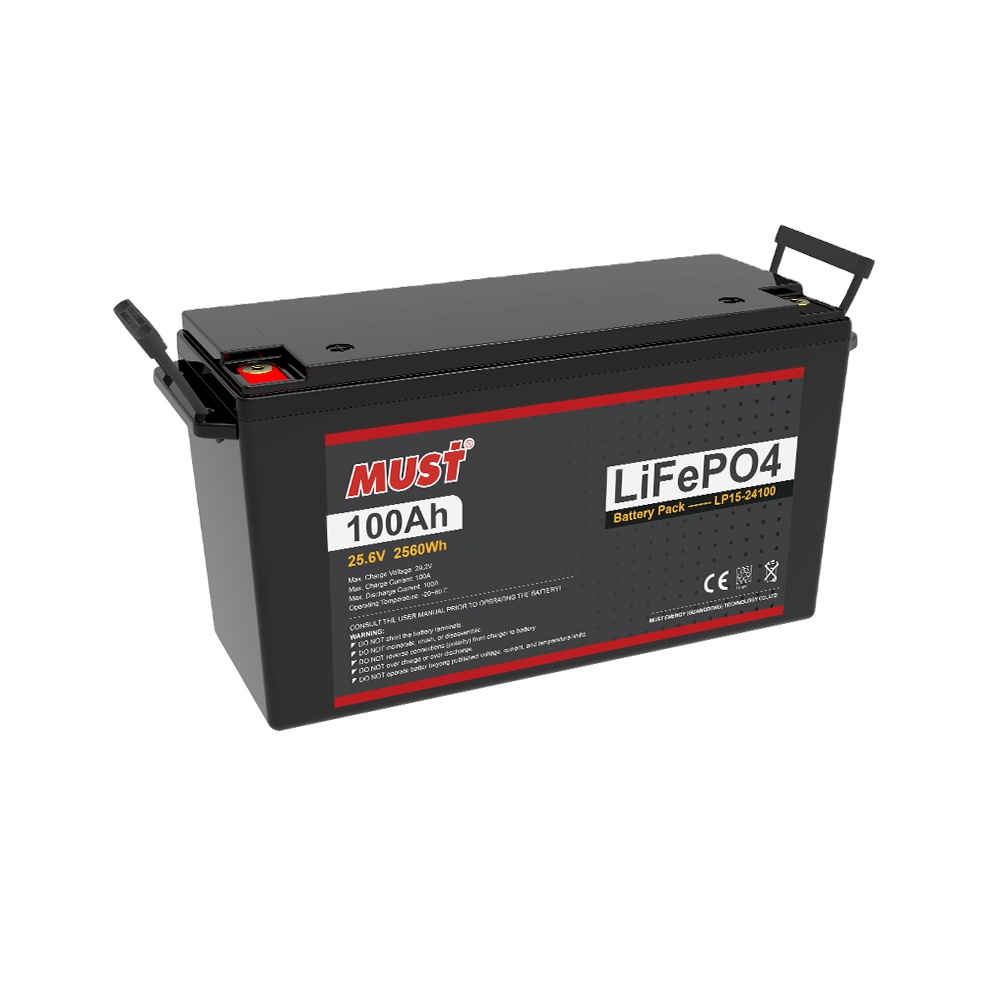
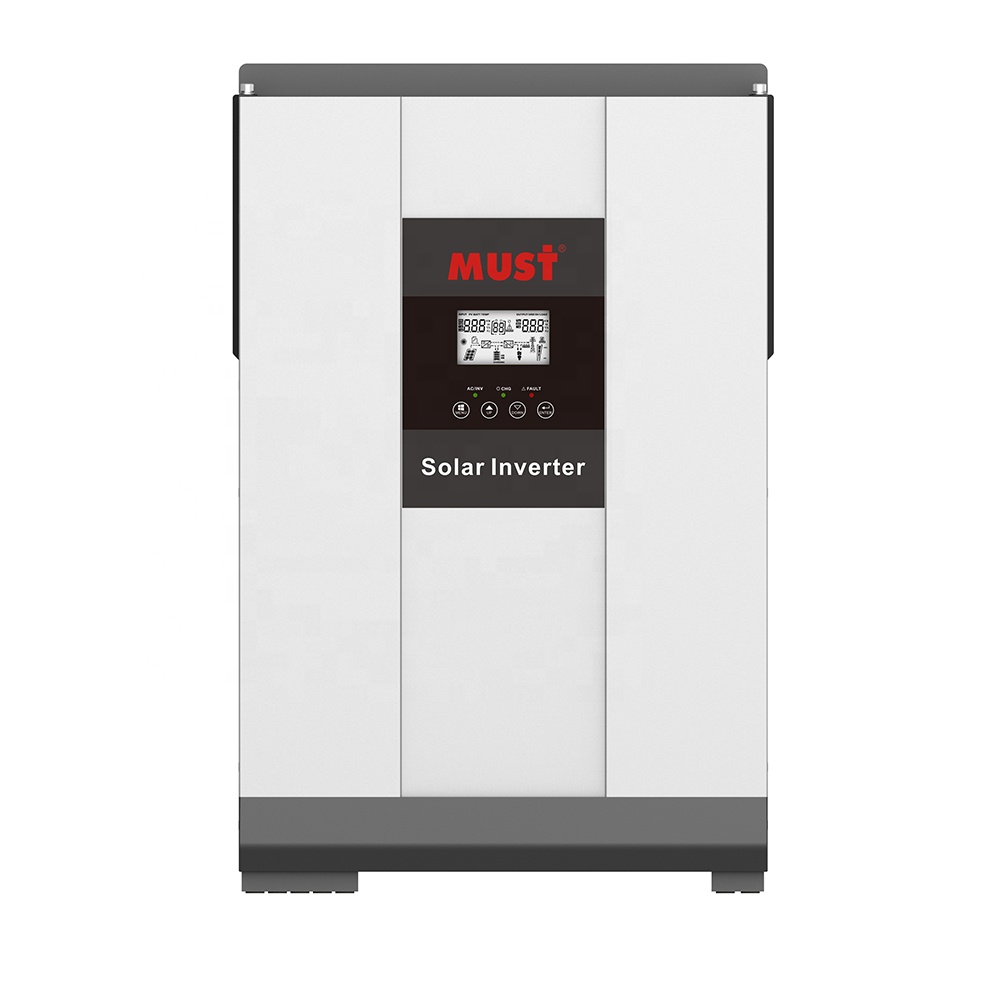
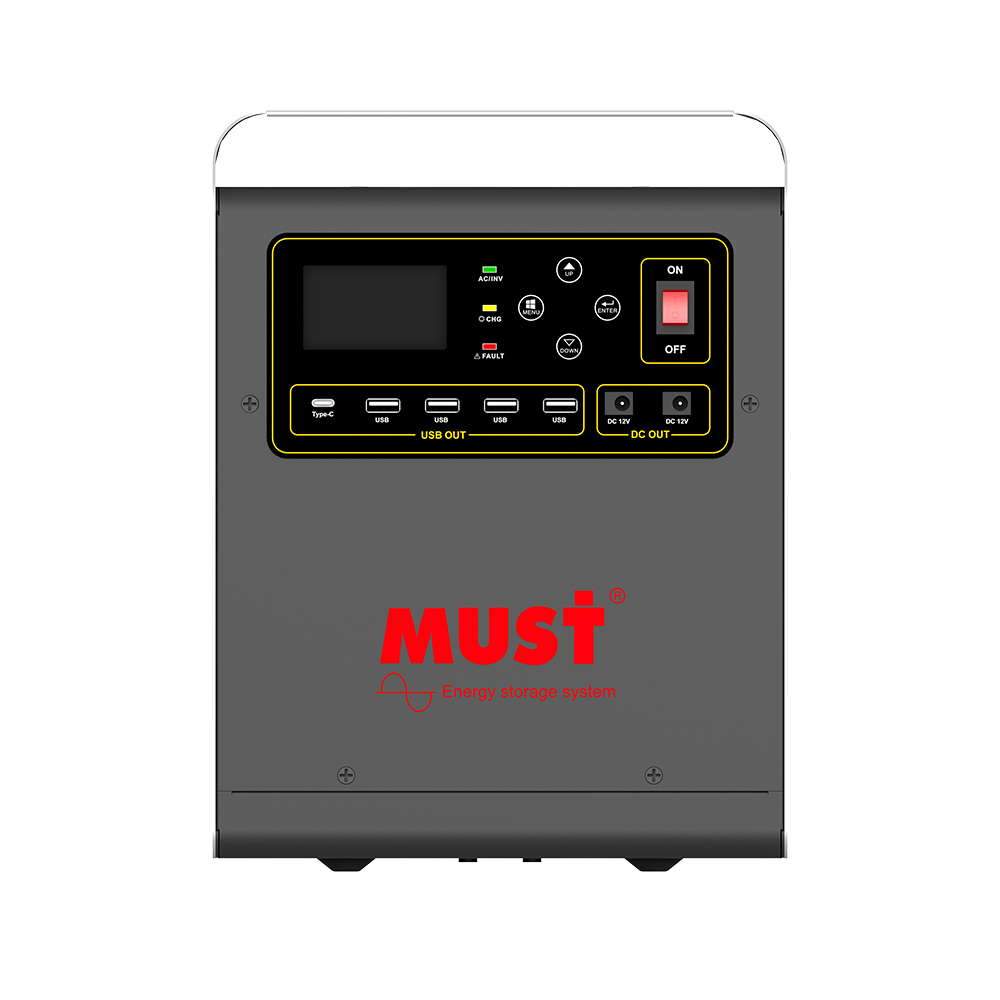
Direct-from-factory power conversion units and integrated LiFePO4 battery systems optimized for weak-grid environments, microgrids, and off-grid solar energy deployment.
Demystifying Off-Grid Inverter Charger OEM Manufacturing in China
The global energy transition has driven an unprecedented surge in demand for autonomous, resilient, and high-efficiency off-grid power infrastructure. As utility grids in emerging markets face increasing instability and industrial/residential energy users in developed nations seek complete energy independence, the role of off-grid inverter chargers has shifted from emergency backup to primary energy management hubs. China stands at the epicenter of this hardware evolution, manufacturing over 80% of the world's solar power conversion apparatus.
Selecting the top China best off grid inverter charger manufacturers requires going beyond basic price-per-watt metrics. Global EPC contractors, B2B importers, and private-label brand owners must evaluate topology efficiency, thermal dissipation design, surge handling under severe inductive motor loads, firmware adaptability for smart lithium Battery Management Systems (BMS), and total quality management compliance (ISO 9001/14001/45001).
Technical Value Insight: Modern off-grid inverter chargers are no longer standalone DC-to-AC conversion boxes. They represent multi-port power electronic management systems capable of dynamically mixing PV solar input, AC generator feeds, grid power, and high-voltage LiFePO4 battery banks within microsecond switching windows.
CJH Energy (Guangdong Tech Co., Ltd.) has emerged as a premier OEM/ODM manufacturer in this sector, operating a 31,056 m² automated production complex with 1,109 skilled personnel and over 80 dedicated R&D engineers. By integrating advanced Maximum Power Point Tracking (MPPT) algorithms with pure sine wave inverter architectures, Chinese manufacturing lines provide global buyers with high-gain operational features: ultra-low Total Harmonic Distortion (THD < 3%), zero-transfer switching modes, and scalable parallel operational topologies up to 9 units in multi-phase configurations.
Technical Architecture: High-Frequency vs. Low-Frequency Toroidal Topologies
When procuring off-grid inverter chargers from OEM manufacturers, system integrators must choose between two primary power electronic topologies based on intended field duty cycles and load profiles:
Architectural Parameter
High-Frequency (HF) Switch-Mode Topology
Low-Frequency (LF) Heavy-Duty Toroidal Topology
Core Conversion Mechanism
High-frequency PWM using MOSFETs/IGBTs; high DC bus voltage
Heavy copper/iron toroidal transformer operating at line frequency (50/60Hz)
Peak Surge Capacity
2x nominal power for short periods (100ms - 2s)
3x to 4x nominal power for 15-20 seconds (ideal for heavy motor startups)
Galvanic Isolation
Electronic isolation; lightweight profile
Full physical transformer isolation; extreme surge & lightning immunity
Residential PV backup, IT gear, telecom, light home appliances
Heavy industrial motors, deep-well pumps, air conditioners, harsh off-grid sites
Closed-Loop BMS Communication Protocols (CANbus / RS485 / RS232)
A critical engineering differentiator of top-tier Chinese inverter manufacturers is native software integration with LiFePO4 lithium battery chemistry. Legacy off-grid inverters relied on voltage-based battery state-of-charge (SoC) estimation, which fails with lithium iron phosphate batteries due to their flat discharge voltage curve. Advanced CJH Energy inverter chargers utilize open or proprietary CANbus 2.0B and RS485 protocol handshakes, allowing the inverter to directly query the battery BMS for real-time cell voltages, temperature safety cut-offs, max charge current limits, and exact SoC percentages.
As off-grid power markets evolve, procurement managers, distributors, and EPC installers must align their supply chain strategies with incoming technology shifts. The following key trends are shaping the future of off-grid solar equipment sourcing in China:
High VOC PV Input (450V - 500V)
Transitioning from low-voltage 145V MPPTs to high-voltage series strings dramatically reduces cabling losses, eliminates solar combiner boxes, and lowers installation labor costs for residential micro-farms.
Dual Smart Load Management
Integrated dual AC outputs allow off-grid inverters to dynamically shed secondary non-critical loads (e.g., water heaters) when battery SoC falls below threshold percentages, reserving energy for vital gear.
IoT Cloud & Remote Monitoring
OEM buyers now demand embedded Wi-Fi/GPRS modules and customizable mobile applications (iOS/Android) for remote firmware updates (OTA), fault diagnostic logging, and global fleet management.
Sodium-Ion Battery Ready
Forward-thinking factories are updating firmware charge algorithms to accommodate emerging Sodium-ion (Na-ion) cell characteristics alongside traditional AGM, Gel, and LiFePO4 chemistries.
Modular Parallel Scalability
Plug-and-play parallel cards enable seamless expansion up to 9 units, granting system integrators the flexibility to build 45kW single-phase or three-phase off-grid industrial plants on demand.
Enterprise Advantages: Why Partnering with CJH Energy Safeguards Your Supply Chain
Navigating the Chinese manufacturing landscape requires finding an authentic source-level factory with verified R&D depth rather than an intermediate trading company. CJH Energy (Guangdong Tech Co., Ltd.) offers verified structural advantages for international B2B purchasers:
1. Certified Manufacturing Management Systems: Our facilities are governed under strict international benchmarks, maintaining ISO 9001 (Quality Management System), ISO 14001 (Environmental Management System), and ISO 45001 (Occupational Health & Safety) certifications. On-site verification audits performed by TÜV Rheinland confirm our production floor capacity, automated SMT lines, aging test chambers, and operational authenticity.
2. OEM/ODM Full-Spectrum Customization: Supported by over 80 structural, hardware, and firmware engineers, CJH Energy provides end-to-end ODM customization. This includes custom metal sheet toolings, unique screen GUI designs, localized LCD language menus, specialized firmware parameters, custom carton packaging, and customized silk-screen logo placement.
3. Rigorous Quality Assurance & Testing Standards: Every inverter charger leaving the production line undergoes a multi-stage QA protocol: automatic optical inspection (AOI) for PCB assemblies, 100% full-load high-temperature burn-in testing for a minimum of 4 to 8 hours, insulation resistance testing, and simulated surge/load-shedding stress tests.
4. Global Hubs & Localized Technical Service: Recognizing that after-sales logistics determine long-term market success, CJH Energy has established subsidiary overseas offices and spare parts hubs in key strategic locations: Poland (Warsaw serving Europe), South Africa, Dubai, and Egypt. This localized presence ensures prompt technical assistance, expedited warranty processing (RMA), and local warehouse dispatch options.
Detailed answers to essential engineering, OEM sourcing, and technical support questions asked by global distributors and solar importers.
Q1: Is CJH Energy a direct manufacturer or a trading company?
CJH Energy (Guangdong Tech Co., Ltd.) is a direct custom manufacturer with owned automated manufacturing facilities covering 31,056 m² and employing over 1,109 personnel. Our facility has been audited and verified on-site by TÜV Rheinland. We handle end-to-end production—from SMT surface mounting and transformer winding to final product testing and packaging.
Q2: What is the real-world difference between off-grid inverters and hybrid inverters?
An off-grid inverter charger is designed to operate completely independently from the utility grid or use the grid strictly as an auxiliary charging/bypass source during low battery events without exporting power. A hybrid inverter is grid-interactive—it can feed excess PV power back into the public utility grid (grid-tied selling) while simultaneously maintaining energy storage backup capability during blackout conditions.
Q3: How do I select the optimal DC System Voltage (12V, 24V, vs 48V)?
System voltage choice depends on total system power requirements:
• 12V DC: Best suited for small loads below 1kW (RVs, mobile power stations, small cabins).
• 24V DC: Recommended for medium loads between 1kW and 3kW.
• 48V DC: Industry standard for loads above 3kW (up to 12kW single unit). Higher DC voltage significantly decreases amperage draw, allowing thinner DC copper wiring, minimizing heat losses, and maximizing energy conversion efficiency.
Q4: Can CJH Energy off-grid inverters handle heavy inductive loads like air conditioners and water pumps?
Yes. Our low-frequency (toroidal transformer) inverter charger series can deliver 300% surge output power for up to 20 seconds, handling massive inrush currents from electric motors, compressors, and pumps. Our high-frequency pure sine wave models feature engineered peak surge handling (2x rating for 5 seconds) with smart overload protection algorithms.
Q5: What OEM and ODM branding options are available for wholesale orders?
We offer full OEM/ODM branding flexibility, including customized front-panel silk screening, custom powder-coat chassis coloring, branded LCD display boot screens, custom firmware defaults, user manual branding, and heavy-duty shipping box artwork. Our engineering team can also customize battery communication protocols (CAN/RS485) to match your proprietary battery packs.
Q6: What is the typical production lead time for OEM container orders?
Standard sample units and engineering prototypes ship within 7 to 10 days. Full batch container orders (20ft / 40ft HQ) typically feature a production cycle of 25 to 35 calendar days from artwork confirmation and deposit receipt, supported by our 600,000 units/year total output capacity.
Accelerate Your Solar Business with China's Premier OEM Inverter Manufacturer
Partner with CJH Energy for factory-direct wholesale pricing, certified manufacturing quality, and tailor-made off-grid power solutions. Our technical engineering team is standing by to support your product development specifications.