Executive Whitepaper: The Evolution of CE Certified Split-Phase Power Inverters
In modern off-grid, hybrid, and commercial microgrid energy ecosystems, Split Phase Inverter Systems represent the backbone of multi-voltage AC infrastructure across North America, select Latin American markets, and Caribbean grid networks. Delivering simultaneously 120V single-phase lines and 240V dual-phase line-to-line outputs from a centralized DC energy reservoir, split-phase inverters demand rigorous power electronics topology, precise phase angle control (180° displacement), advanced thermal dissipation, and complete electromagnetic compatibility (EMC).
Securing valid CE Certification (Conformité Européenne) alongside international safety standards (such as IEC 62109-1, IEC 62109-2, EN 61000-6-1/3) is an essential prerequisite for tier-1 distributors, EPC contractors, and brand importers. It provides independent verification of insulation safety, grid-side protection, surge ride-through capabilities, and low THD (Total Harmonic Distortion) pure sine wave generation. As an established OEM/ODM powerhouse, CJH Energy (guangdong) Tech Co., Ltd. bridges high-precision manufacturing with field-tested reliability, supplying scalable split-phase energy conversion solutions worldwide.
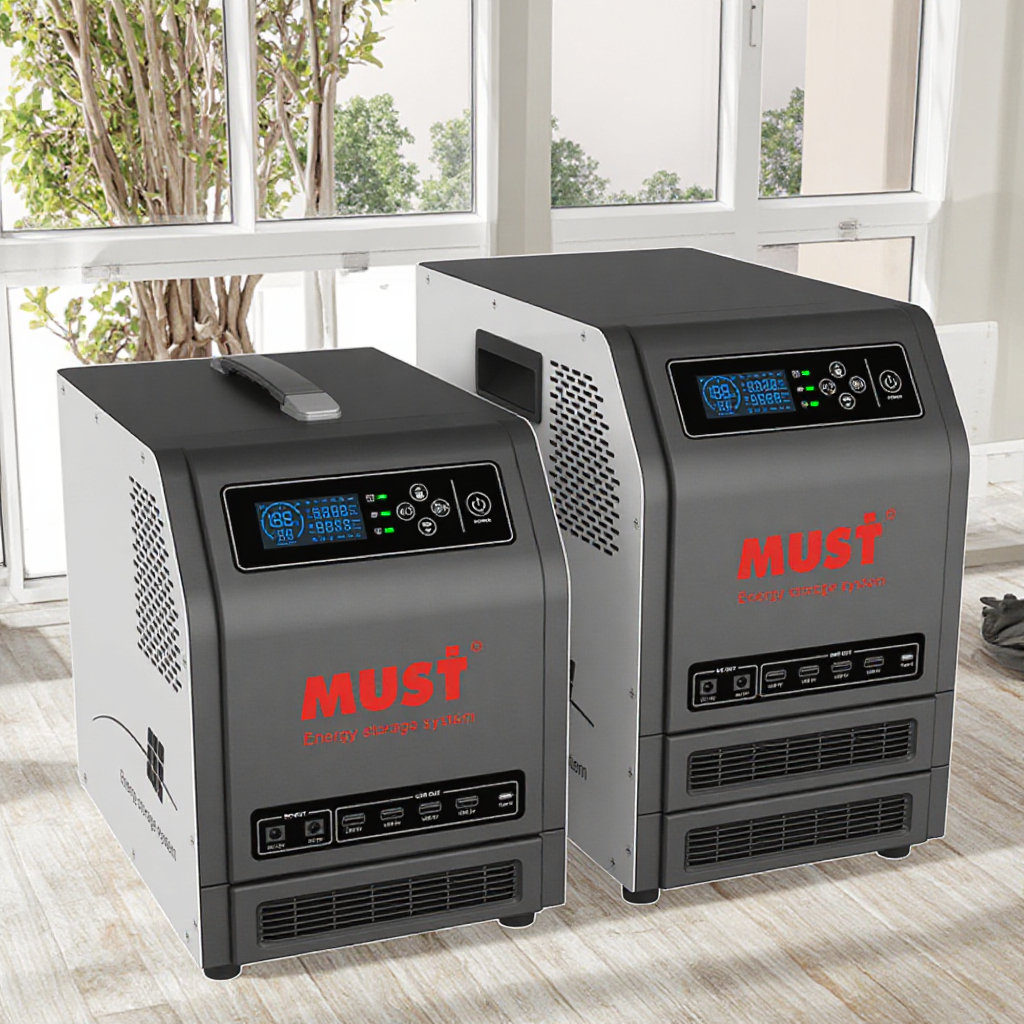
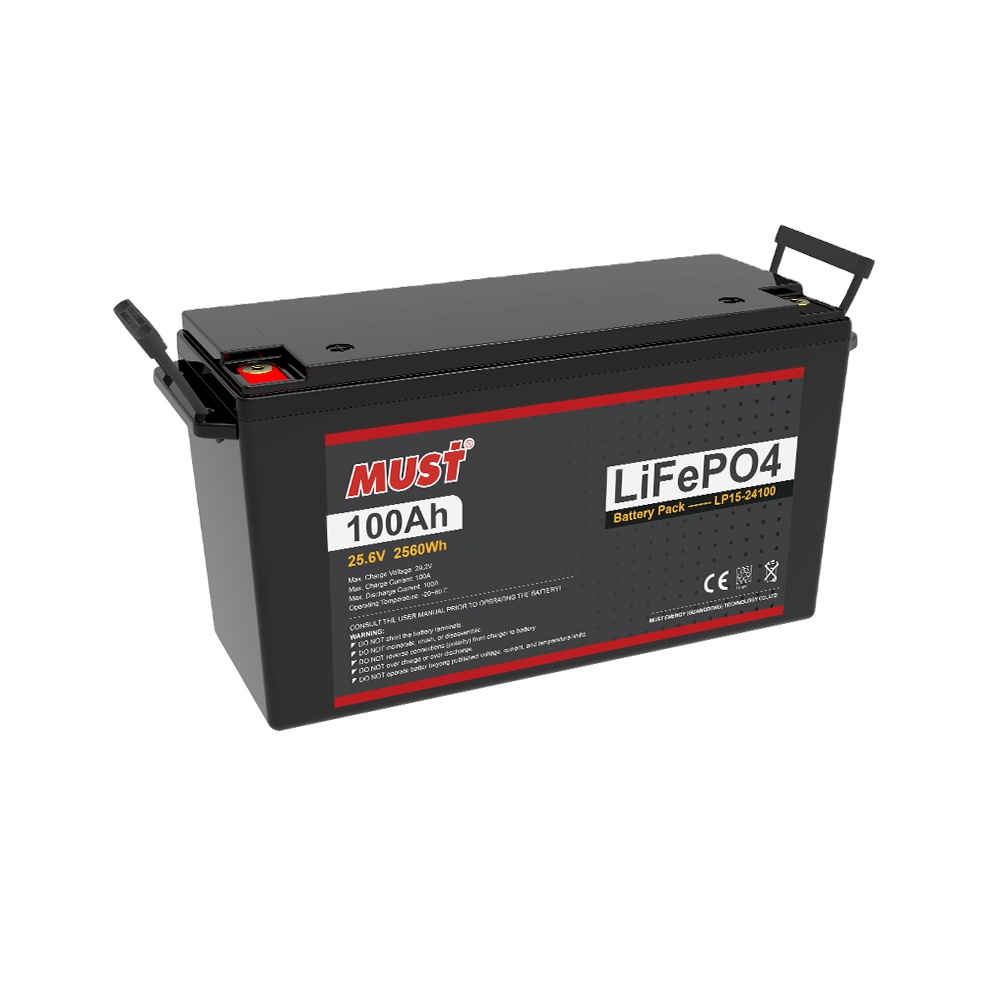
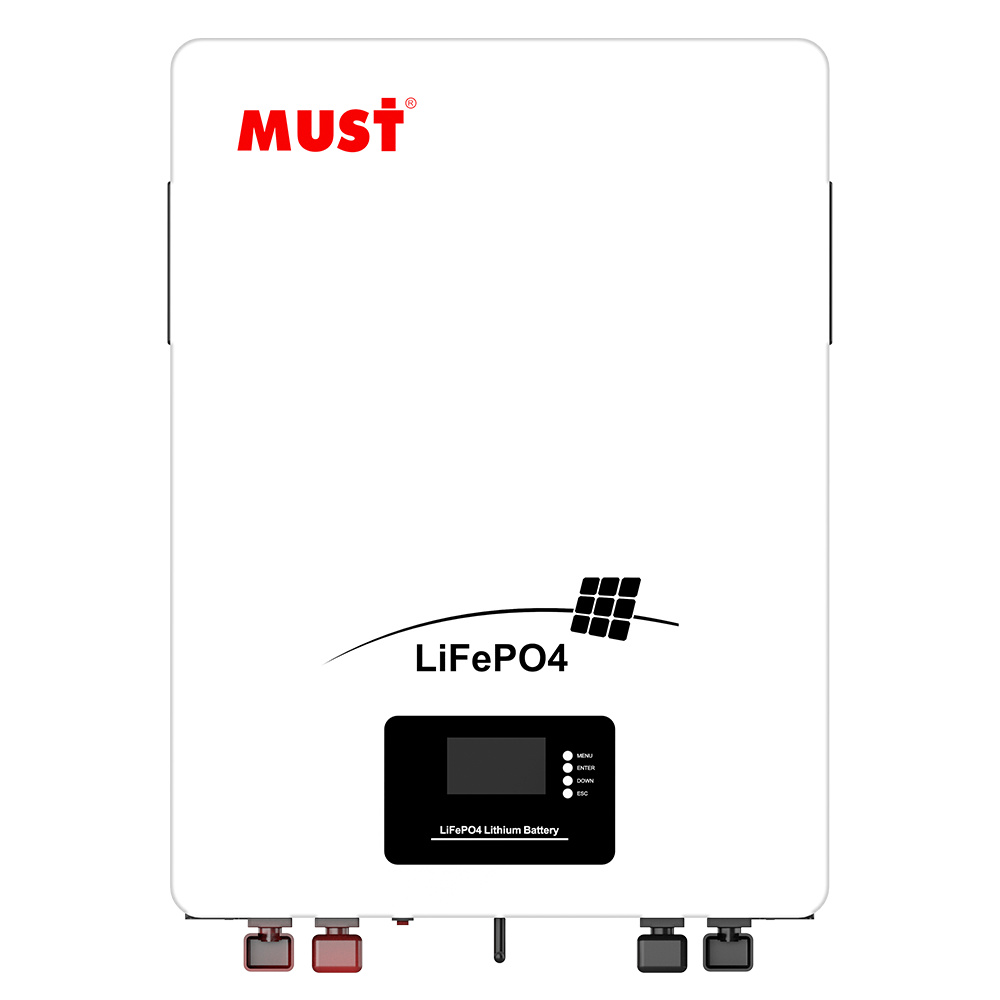
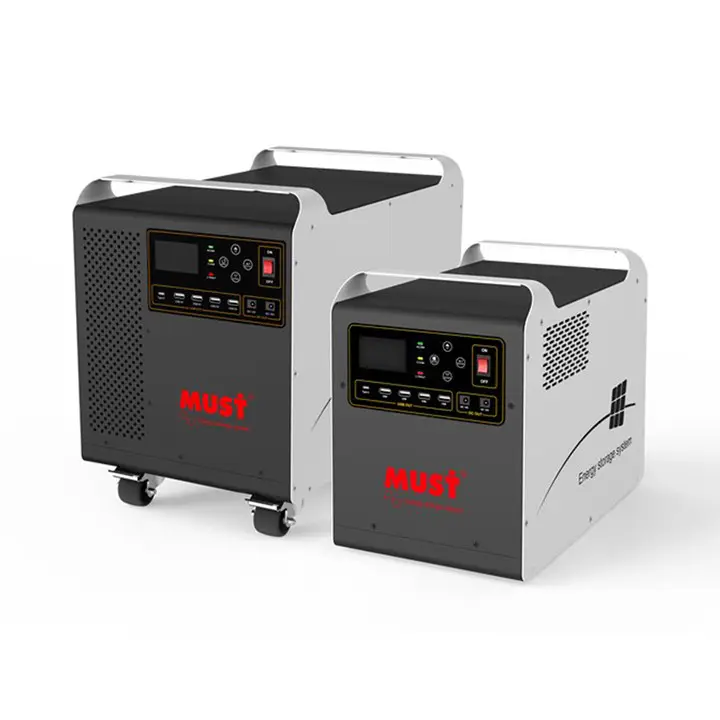
Featured Product Lineup & Energy Storage Portfolio
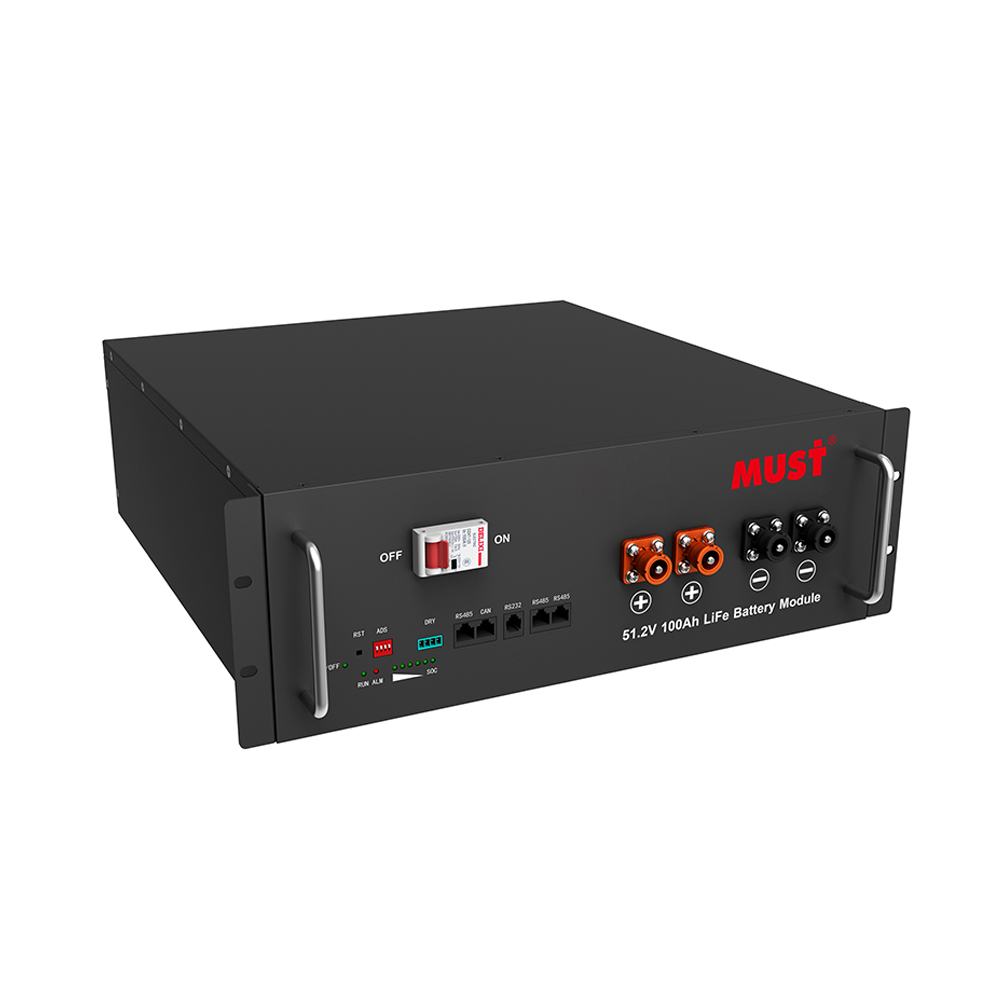
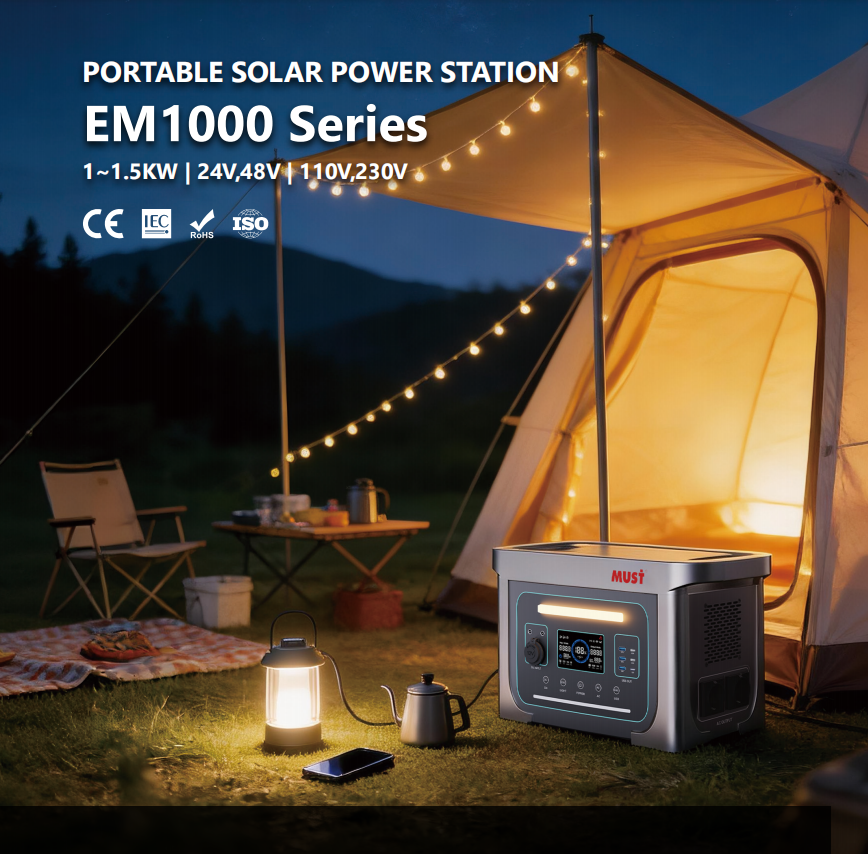
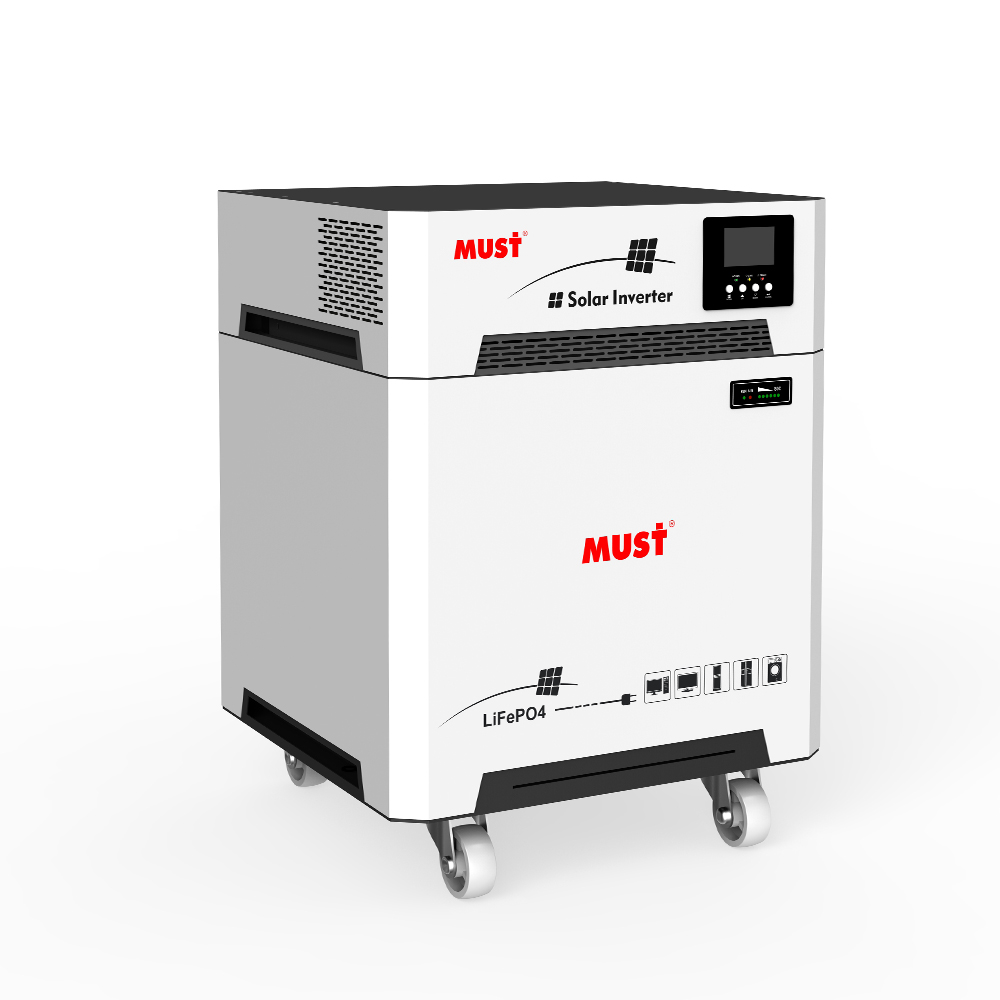
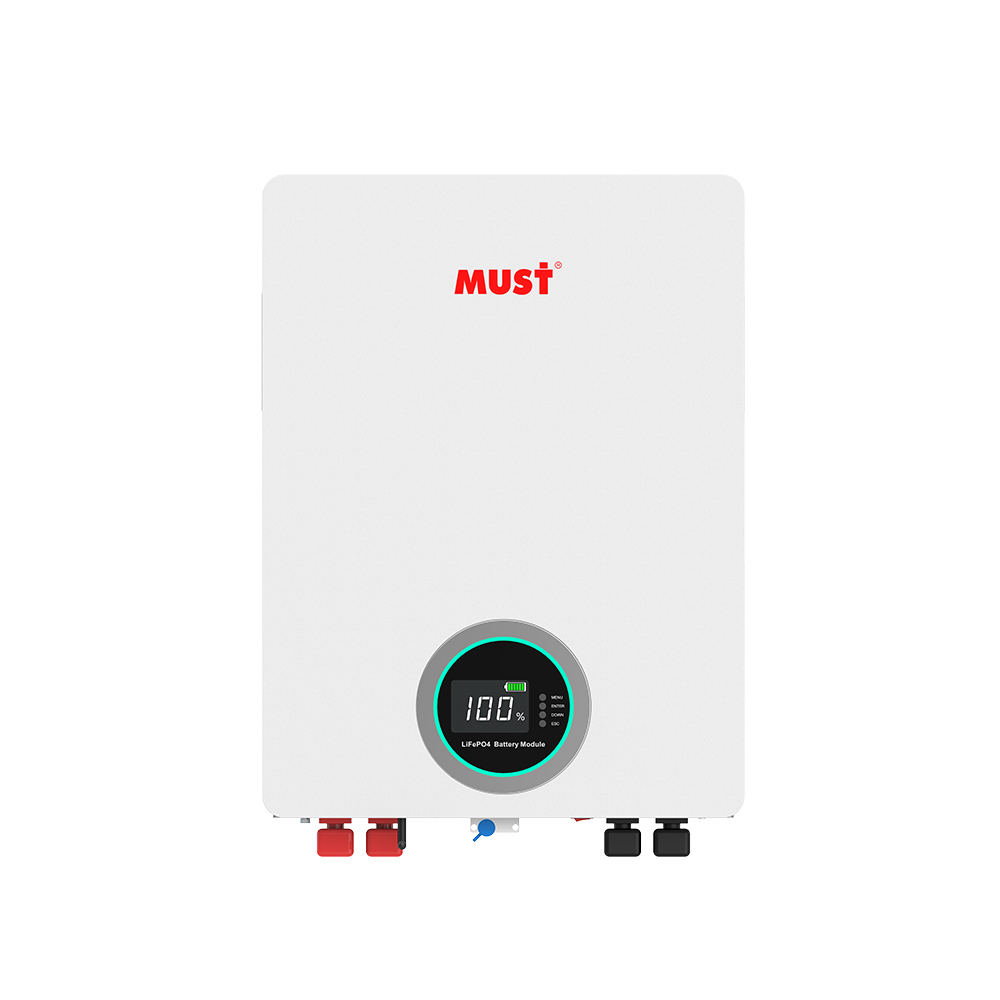
Explore our certified off-grid solar inverters, pure sine wave power stations, and high-capacity LiFePO4 energy storage batteries. Engineered for seamless integration with 120V/240V split-phase architectures and scalable DC battery banks.
Technical Architecture: Split-Phase Topology & Compliance Standards
Engineers evaluating CE certified split-phase inverters must inspect both the hardware topology and the software-driven control algorithms. Unlike standard single-phase inverters that provide L-N output (e.g., 230V AC), a split-phase system utilizes a center-tapped transformer configuration or a multi-leg H-bridge inverter topology to output two 120V AC lines (L1 and L2) out of phase by 180 degrees, along with a Neutral wire (N) and Ground (G).
Dual Voltage Output (120V/240V)
Split-phase inverters simultaneously power standard household 120V appliances (L1-N, L2-N) and high-load 240V equipment (L1-L2) such as central air conditioners, well pumps, heavy machinery, and EV chargers without requiring external balance transformers.
CE Low Voltage Directive (LVD) & EMC
CE certification mandates strict compliance with LVD EN 62109-1/-2 (safety of power converters in photovoltaic systems) and EMC directives (EN 61000 series). This ensures minimal electrical interference with surrounding equipment and robust surge withstand capabilities.
180° Phase Synchronization & Neutral Balance
Advanced digital signal processing (DSP) maintains strict phase symmetry and active neutral current balancing under unbalanced load conditions, preventing voltage sag on heavily loaded legs.
BMS & LiFePO4 Protocol Matching
Direct CAN bus and RS485 integration with LiFePO4 battery management systems enables dynamic closed-loop charging, state-of-charge (SOC) telemetry, automated cell balancing, and low-temperature charge protection.
Specification Matrix: Low-Frequency vs. High-Frequency Split-Phase Topologies
| Technical Attribute | Low-Frequency (Transformer-Based) | High-Frequency (Transformerless / Switching) |
|---|---|---|
| Surge Capacity | 300% peak surge power for 10–20 seconds (Motor starting) | 150–200% peak surge power for 5 seconds |
| Isolation & Protection | Full Galvanic Isolation via Heavy Copper Transformer | Electronic / Relay-based Protection Mechanisms |
| Conversion Efficiency | 88% – 92% Peak Efficiency | 94% – 97.5% Peak Efficiency |
| Weight & Form Factor | Heavier enclosure, robust for harsh industrial environments | Compact, lightweight, wall-mountable residential design |
| Best Application Fit | Water pumps, industrial compressors, heavy motor loads | Residential PV energy storage, standard home automation |
Future Procurement Trends in Split-Phase Energy Storage (2025–2030)
As global power grids face increasing stress from climate extremes and rapid electrification, the procurement dynamics for split-phase solar inverters and battery energy storage systems (BESS) are shifting towards smart, resilient, and standardized architectures:
1. Transition to High-Voltage DC Battery Architectures
While 48V/51.2V low-voltage systems remain dominant for home residential retrofit solutions (due to safety and ease of installation), procurement for utility and light-commercial projects is migrating toward high-voltage (192V–400V DC) battery banks to reduce I²R cable losses and boost round-trip efficiency above 96%.
2. Grid-Forming & Microgrid Autonomous Capability
Modern procurement specifications increasingly mandate Grid-Forming Inverter Capabilities. Rather than merely following an existing AC grid voltage signal, grid-forming split-phase inverters synthesize their own voltage reference, enabling smooth transitions to islanded microgrids during blackout events without phase loss.
3. Universal Protocol Interoperability & Cloud Management
Importers are prioritizing inverters that offer open API interfaces (Modbus TCP/RTU, Matter, OCPP) and IoT cloud integration. Fleet monitoring dashboards allow distributors to perform remote firmware upgrades (OTA), diagnose field faults, and manage VPP (Virtual Power Plant) aggregation contracts.
4. Stricter Environmental Compliance (CE, RoHS, REACH)
Regulatory scrutiny on European and Western buyers demands comprehensive supply-chain transparency. CE certification must be backed by authentic lab test reports covering non-hazardous materials, eco-design efficiency standards, and low standby power consumption (less than 15W in idle mode).
Enterprise Strengths: Why Partner with CJH Energy?
CJH Energy (guangdong) Tech Co., Ltd. is a verified high-tech manufacturer specializing in off-grid and hybrid solar inverters, MPPT solar charge controllers, UPS systems, and deep-cycle LiFePO4 batteries. Built on over 20 years of power electronics expertise, our operations are optimized for high-volume B2B wholesale, OEM customization, and turn-key project supply.
- Massive Manufacturing Scale: Modern production facility covering 31,056 m² with 1,109 dedicated staff members delivering an annual capacity exceeding 600,000 units.
- Third-Party Audit & Quality Assurance: Factory inspected on-site by TÜV Rheinland. Complete management systems certified under ISO 9001 (Quality Management), ISO 14001 (Environmental Management), and ISO 45001 (Occupational Health & Safety).
- Robust R&D & Custom Engineering: Supported by an in-house team of 80+ senior R&D engineers holding national invention patents. Full ODM services for custom enclosure designs, custom LCD UI interfaces, firmware parameter optimization, and multi-protocol BMS communication (CAN, RS485, RS232).
- Global Support & Overseas Hubs: Localized customer service and logistical hubs situated in Poland (Warsaw office), South Africa, Dubai, and Egypt for fast technical response, localized warranty support, and rapid spare-parts distribution.
- Complete Product Ecosystem: One-stop factory source spanning 12V/24V/48V off-grid inverters, 3kW-6kW split-phase and single-phase hybrid inverters, rack-mounted/wall-mounted LiFePO4 battery packs, and portable solar generators.
Frequently Asked Questions (FAQ) for Importers & Distributors
1. What is the fundamental difference between a single-phase inverter and a split-phase inverter?
A single-phase inverter outputs a single AC voltage (such as 230V between Line and Neutral). A split-phase inverter outputs two 120V AC lines separated by 180 electrical degrees relative to a center Neutral wire. This configuration provides 120V (Line-to-Neutral) for standard home electronics and 240V (Line-to-Line) for heavy appliances, matching standard North American electrical panels.
2. Why is CE certification mandatory for international split-phase inverter procurement?
CE certification validates that the equipment meets stringent European directives for low-voltage electrical safety (LVD EN 62109-1/-2) and electromagnetic compatibility (EMC EN 61000). It ensures that the inverter will not generate excessive electrical noise on the grid, will withstand ambient surge voltages, and provides proper electrical isolation to protect technicians and end users.
3. Is CJH Energy a direct factory or a trading company?
CJH Energy is a direct manufacturer with custom production facilities covering 31,056 m² in Guangdong, China. Our operations employ 1,109 staff members, and our production lines have been assessed and verified on-site by TÜV Rheinland.
4. How do you handle OEM/ODM customization for split-phase inverters and battery packs?
Our 80+ engineering staff assist with full OEM/ODM customization. This includes custom metal sheet enclosure coloring, brand silk-screening, tailored packaging, customizable LCD display menus, pre-configured battery voltage thresholds, and matching BMS communication protocols (CAN, RS485, RS232) for leading battery brands.
5. Can your split-phase inverters work seamlessly with LiFePO4 lithium batteries?
Yes. Our inverters feature built-in smart charging algorithms specifically calibrated for 24V and 48V (51.2V nominal) LiFePO4 battery chemistries. Closed-loop communication via CAN bus allows the inverter to dynamically adjust charge current based on real-time cell temperatures and voltages provided by the battery's internal BMS.
6. How should an installer determine system voltage (12V, 24V, vs. 48V)?
As a standard engineering rule of thumb: 12V systems are recommended for small continuous loads below 1kW (mobile/RV, small cabins); 24V systems suit loads between 1kW and 3kW; and 48V (or higher) is strongly recommended for power demands exceeding 3kW. Higher system voltage minimizes amperage, allowing thinner copper cabling, generating less heat, and improving system efficiency.
7. What after-sales and technical support infrastructure does CJH Energy offer?
We maintain localized subsidiary offices and technical support centers in Poland (Warsaw), South Africa, Dubai, and Egypt. We offer 24/7 online engineering consulting, fast replacement module shipments, and comprehensive technical documentation to support regional distributors.
Accelerate Your Renewable Energy Business
Connect directly with our factory application engineers. Request certified product datasheets, factory-direct OEM pricing, or arrange an on-site virtual facility tour today.
Contact Us