Recommended Wholesale Inverter & Storage Solutions
Factory-direct, CE certified photovoltaic inverters, MPPT regulators, and lithium energy storage systems for commercial buyers, EPC contractors, and regional distributors.
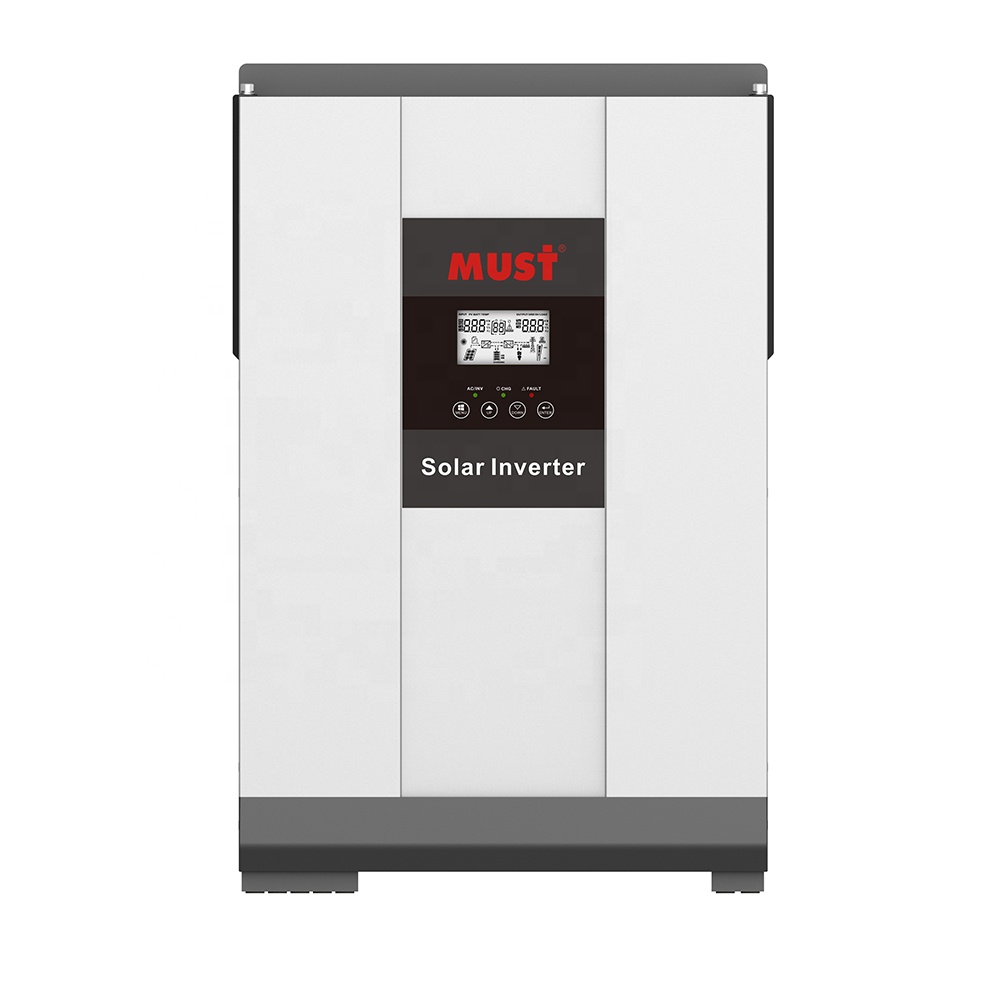
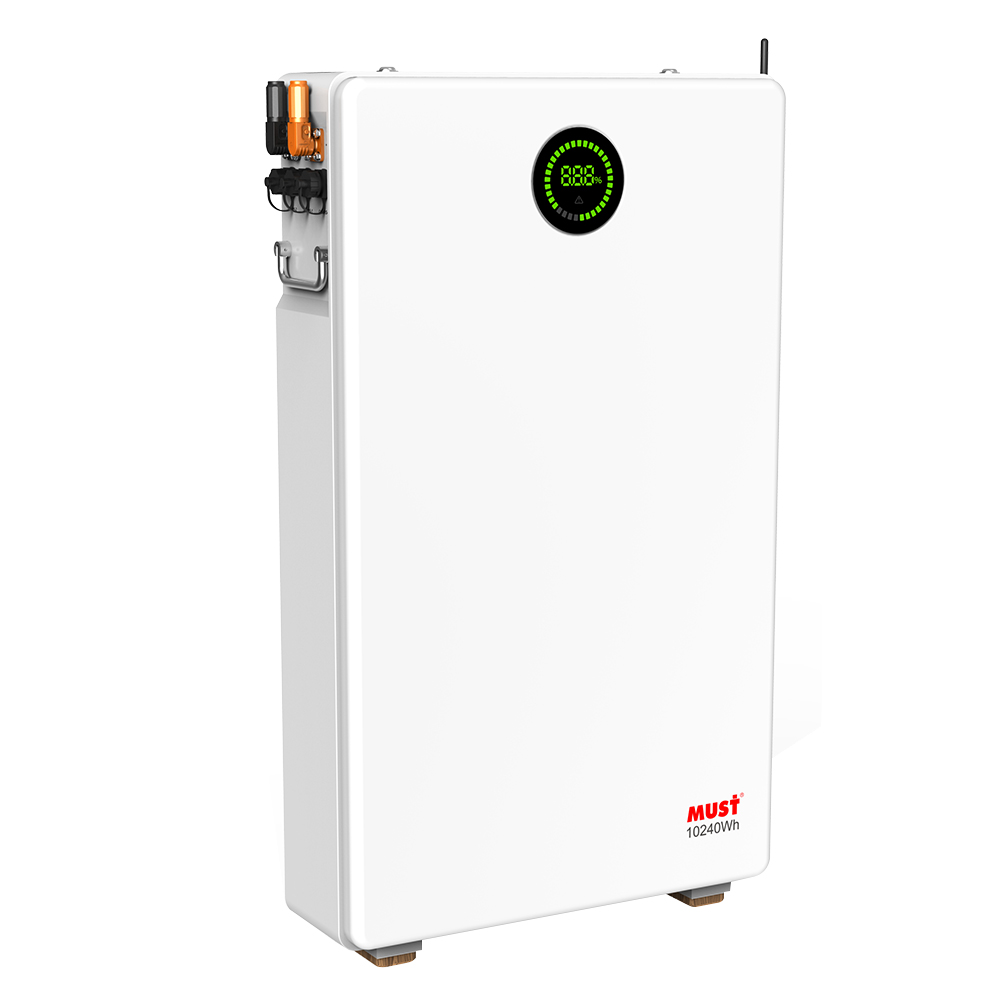
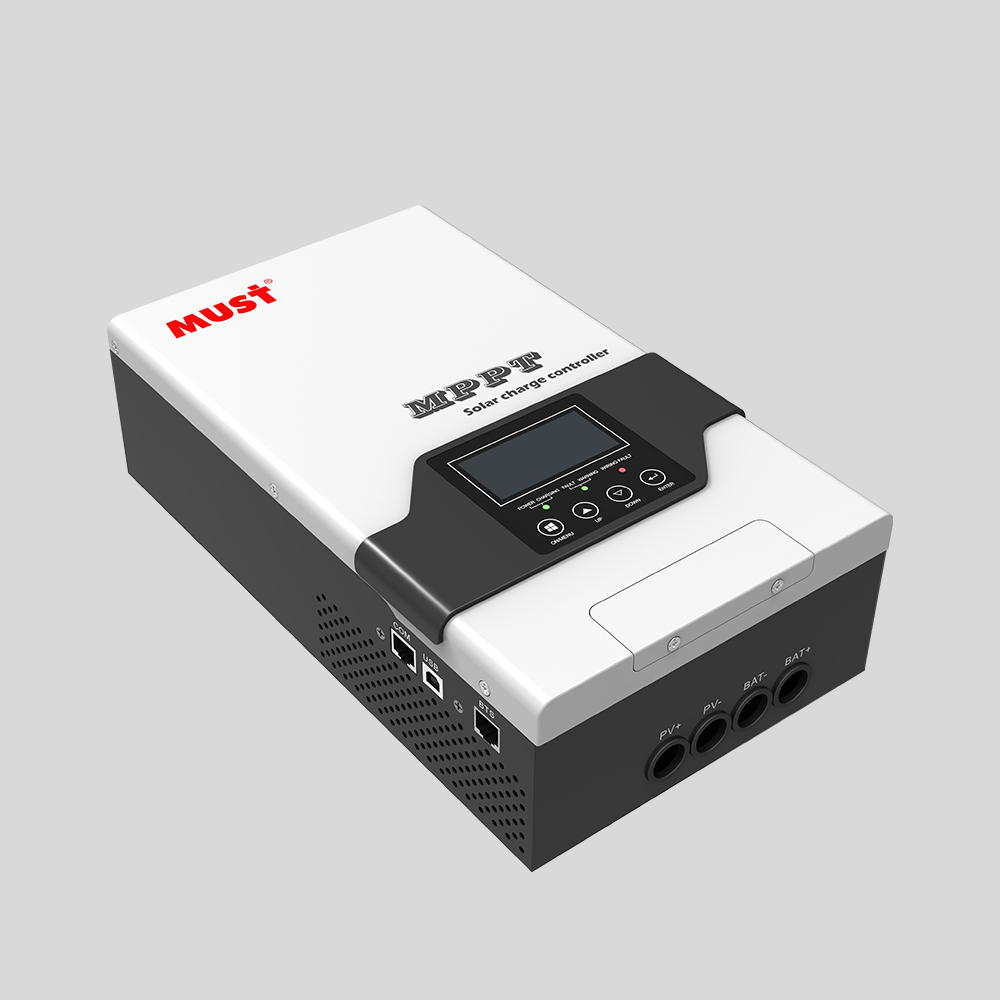
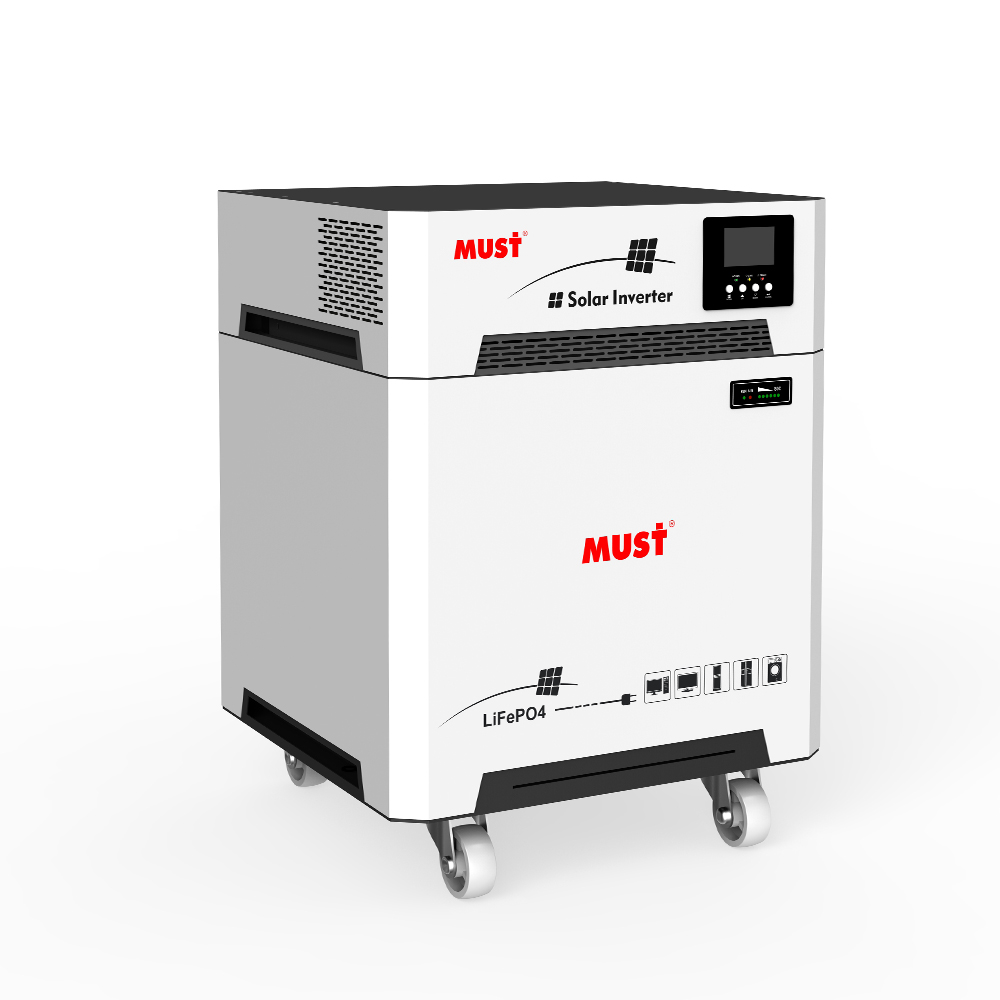
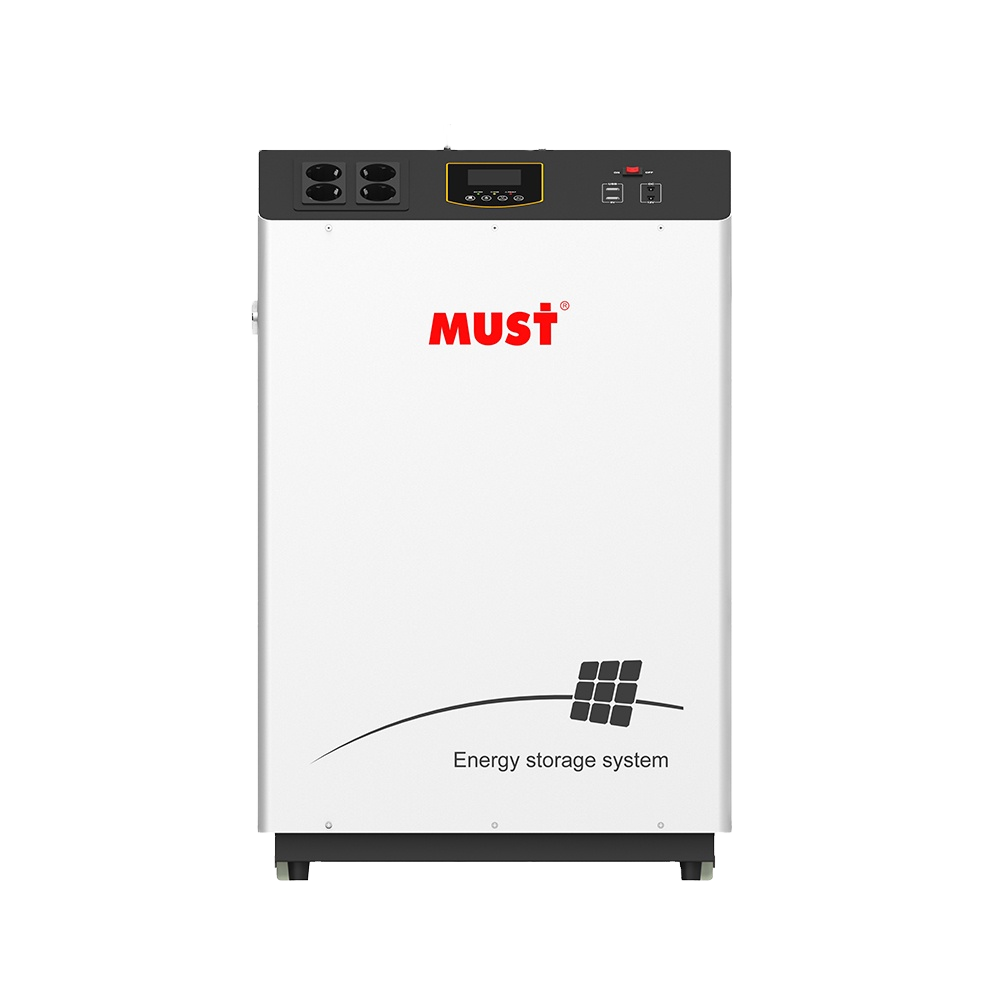
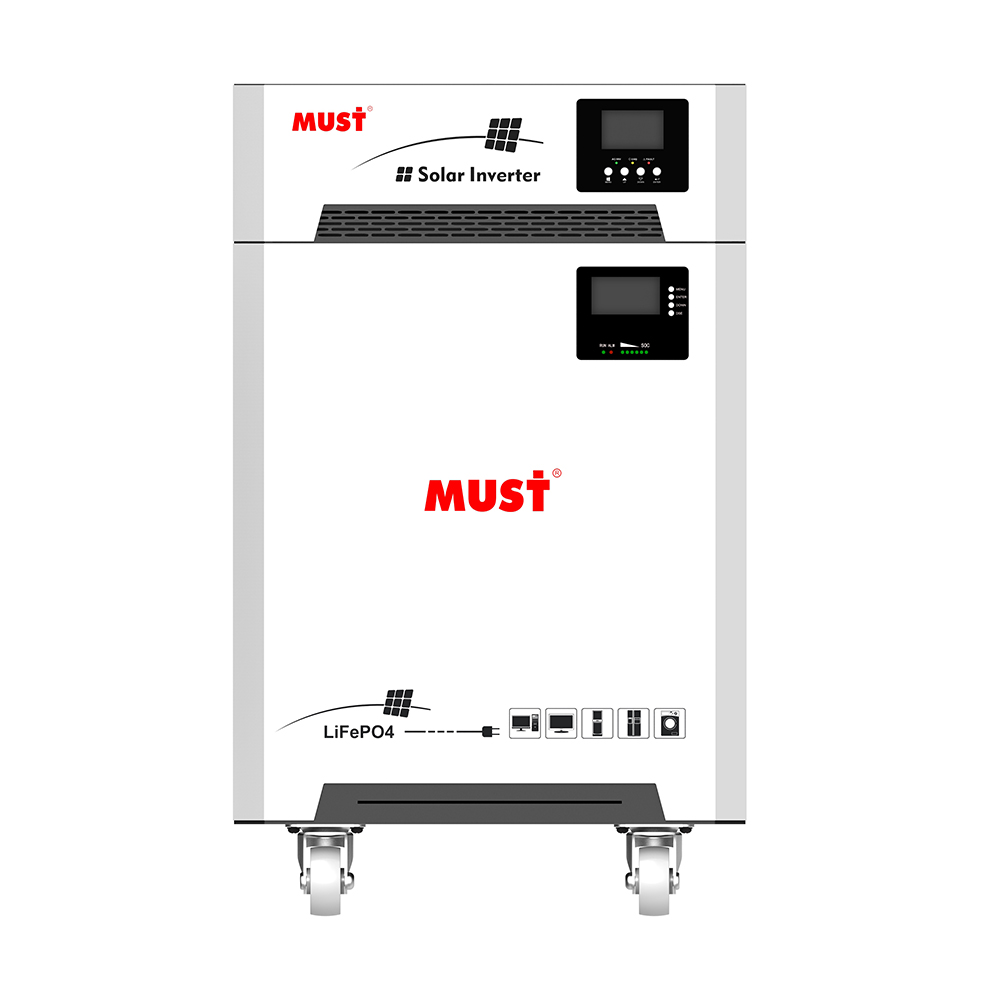

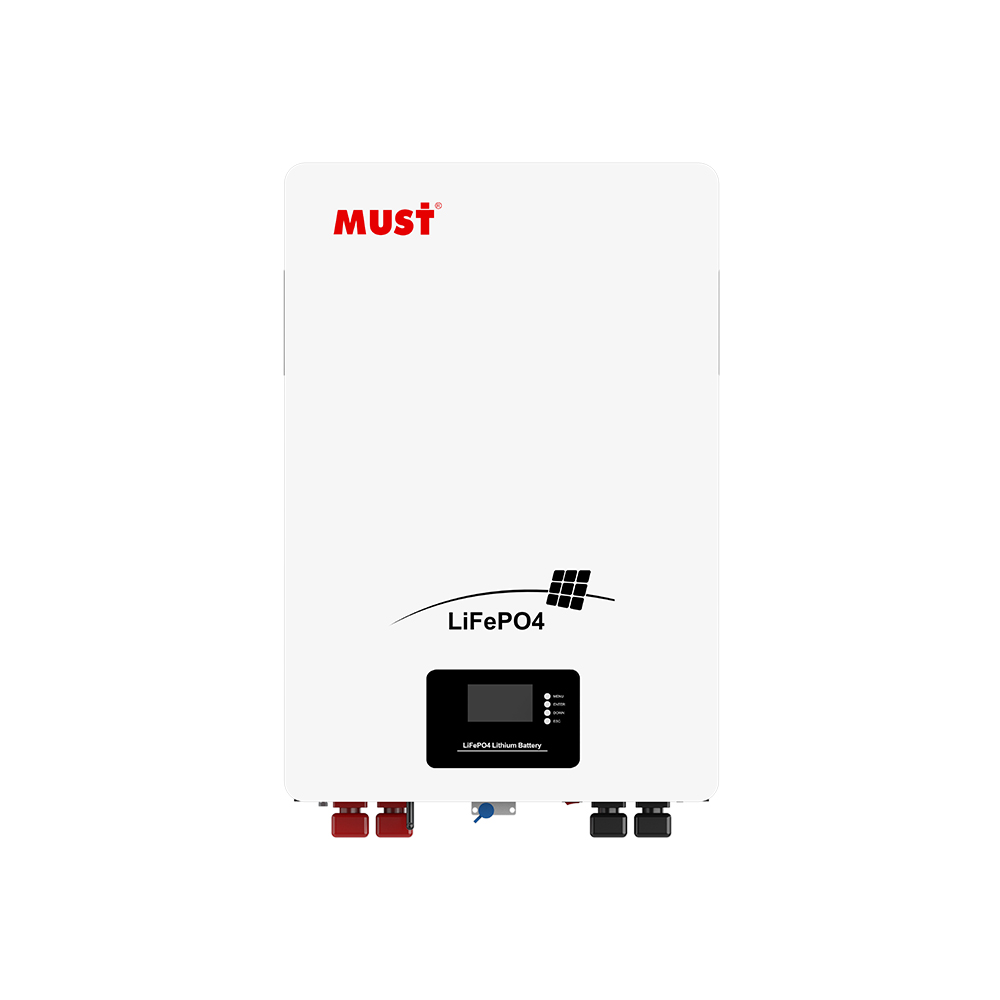
Executive Summary: Engineering Standard for CE Certified Photovoltaic Inverters
In the contemporary global renewable power supply chain, procuring **CE certified solar inverters** and integrated energy storage systems (BESS) represents a critical operational pillar for importers, engineering procurement construction (EPC) firms, and regional distributors. The European Union's stringent regulatory Framework requires strict adherence to Low Voltage Directives (LVD 2014/35/EU), Electromagnetic Compatibility Directives (EMC 2014/30/EU), and rigorous Grid-Code compliance regulations (such as EN 50549-1, VDE-AR-N 4105, and CEI 0-21).
**CJH Energy (Guangdong) Tech Co., Ltd.** operates as a premiere high-tech custom manufacturer dedicated to high-frequency and low-frequency pure sine wave solar inverters, MPPT charge controllers, single and three-phase hybrid inverters, industrial UPS systems, and deep-cycle LiFePO4 lithium battery banks. Established over two decades ago, our integrated industrial footprint spans 31,056 m² of state-of-the-art automated manufacturing infrastructure, backed by a dedicated workforce of 1,109 employees, including over 80 senior R&D power electronics engineers.
Independently audited and on-site verified by TÜV Rheinland, CJH Energy strictly implements quality management frameworks certified to ISO 9001, ISO 14001, and ISO 45001. Producing over 600,000 units annually across more than 10 dedicated product categories, CJH Energy bridges factory-direct OEM/ODM agility with localized, duty-paid distribution hubs located in Warsaw (Poland), Johannesburg (South Africa), Dubai (UAE), and Cairo (Egypt).
Future Procurement Trends in Wholesale Solar Inverters (2025–2030)
Strategic insights for procurement directors and distributors navigating regulatory shifts, semiconductor advancements, and changing grid dynamics.
1. High-Voltage PV Strings (450V–500V DC)
Traditional 145V MPPT systems are being phased out in residential and commercial projects. High-voltage PV input architectures minimize cable losses, eliminate expensive DC combiner boxes, and increase solar-to-battery charging efficiency to over 98%.
2. Integrated BESS & Smart Protocol Interoperability
Procurement intent has shifted from standalone inverters to integrated All-in-One storage systems. Modern inverters must feature auto-matching BMS protocols (CANbus 2.0B, RS485 Modbus RTU) that communicate natively with top-tier LiFePO4 cell protocols.
3. Silicon Carbide (SiC) Wide-Bandgap Devices
The introduction of SiC MOSFETs in inverter power stages reduces switching losses by 60%, enables higher operating temperatures, and permits smaller toroidal transformers and heatsink dimensions without compromising peak thermal performance.
4. Regional Duty-Paid Stocking Hubs
To overcome global maritime freight delays, Tier-1 wholesalers prioritize manufacturers maintaining localized bonded warehouses. CJH Energy's Warsaw facility offers European buyers same-week DDP dispatch with pre-certified CE compliance.
Technology Development Trends: Topologies & Grid-Interactive Evolution
The global solar inverter industry is experiencing a rapid technological transition driven by grid stability demands, dynamic electricity tariffs, and harsh environmental deployment requirements. Below is an engineering evaluation of emerging topology developments:
Transformerless (TL) vs. Low-Frequency (LF) Toroidal Topologies
High-frequency transformerless inverters (e.g., PV1800 VHM & PH1800 PRO series) achieve up to 98% efficiency and compact weight, ideal for modern residential installations. Conversely, heavy-duty low-frequency inverters featuring pure copper toroidal transformers (such as the PV3000 series) deliver up to 300% peak surge capacity for 20 seconds, essential for inductive heavy motor, air conditioning, and water pump loads in weak-grid areas across Africa and Latin America.
Multi-Unit Parallel Stacking & 3-Phase Emulation
Modern off-grid and hybrid inverters now support parallel operation up to 9 or 15 units. Through synchronized CAN communication bus systems, single-phase 5kW units can be field-configured into a balanced 45kW three-phase system (380V/400V AC), offering commercial installers immense modular scalability without maintaining multi-SKU inventories.
Grid-Interactive Zero-Export & VPP Telemetry
With smart meters becoming mandatory, CE-certified hybrid inverters incorporate integrated CT clamp sensors and fast microsecond DSP controllers to support zero-grid-feed-in modes, peak shaving, and Virtual Power Plant (VPP) cloud orchestration via Wi-Fi/GPRS modules.
CE Certification Framework & Technical Benchmarks
Verification criteria for European and Global regulatory compliance across solar inverters and energy storage systems.
| Regulatory Directive | Harmonized European Standard | Engineering Scope & Safety Requirements | CJH Compliance Level |
|---|---|---|---|
| LVD (2014/35/EU) | EN 62109-1, EN 62109-2 | Safety of power converters for use in photovoltaic power systems. Insulation distance, thermal shock, short-circuit protection. | ✔ Certified & Tested |
| EMC (2014/30/EU) | EN 61000-6-1, EN 61000-6-3 | Electromagnetic immunity and emission limits. Prevents radio interference and grid harmonic distortion (THD < 3%). | ✔ Certified & Tested |
| EU Grid Code | EN 50549-1, VDE-AR-N 4105 | Requirements for generating plants connected in parallel with distribution networks (Anti-islanding, Frequency response). | ✔ Certified & Tested |
| Battery Safety | IEC 62619, UN38.3, MSDS | Secondary lithium cells and batteries for industrial and residential electrical energy storage systems (BMS overcharge/thermal runaway). | ✔ Certified & Tested |
| Ingress Protection | EN 60529 (IP65 / IP21) | Enclosure sealing integrity against water ingress, dust contamination, and outdoor environmental corrosion. | ✔ Certified & Tested |
Technical Buying Guide: System Voltage & Inverter Selection Matrix
Selecting the optimal solar inverter architecture requires matching the site's daily load profile, surge requirements, and storage expansion plans. Importers and engineers should follow these baseline sizing rules:
- 12V DC Systems (1kW–1.5kW): Recommended strictly for light mobile, RV, camping, or basic rural home installations running LED lighting, small TVs, and mobile charging. Current draw exceeds 100A at 1.2kW, requiring thick copper cabling.
- 24V DC Systems (2kW–3kW): Designed for standard residential off-grid systems. Reduces conductor cross-sectional area requirements by 50% compared to 12V networks while supporting medium appliances.
- 48V / 51.2V DC Systems (3.5kW–12kW): The enterprise industry standard for high-efficiency residential energy storage and commercial backup. Operating at 48V lowers line losses, heat generation, and simplifies connection to standard 16-cell LiFePO4 rack modules.
- High-Voltage Battery (HV) Systems (100V–500V DC): Used in commercial hybrid applications above 15kW, boosting DC-to-DC conversion efficiency past 98.5% and allowing thin wiring over long distances.
Enterprise Advantages & OEM/ODM Customization Architecture
Why Tier-1 solar distributors and global brand owners choose CJH Energy as their strategic manufacturing partner.
State-of-the-Art Production & QA
Our 31,056 m² factory houses automatic SMT placement lines, automated optical inspection (AOI), computerized transformer winding stations, and high-temperature full-load burn-in testing chambers to ensure zero-defect shipment.
Full OEM/ODM Firmware & Hardware Tailoring
Supported by 80+ engineers, we provide custom chassis color painting, silkscreen logo branding, custom packaging, localized LCD user interface languages, specialized MPPT charging curves, and BMS CAN protocol matching.
Global Technical Support Hubs
Our regional subsidiary offices in Poland, South Africa, Dubai, and Egypt provide localized after-sales service, technical troubleshooting, spare parts supply, and rapid warranty replacement without international return shipping hassles.
Frequently Asked Procurement & Technical Questions (FAQ)
Detailed engineering answers to standard questions raised during factory audits, custom ordering, and compliance verification.
Accelerate Your Solar Business With Factory-Direct Supply
Partner with a certified solar inverter manufacturer. Request engineering datasheets, wholesale price lists, or schedule a virtual factory inspection today.
Inquire Now