Featured Power Inverters & Energy Storage Units
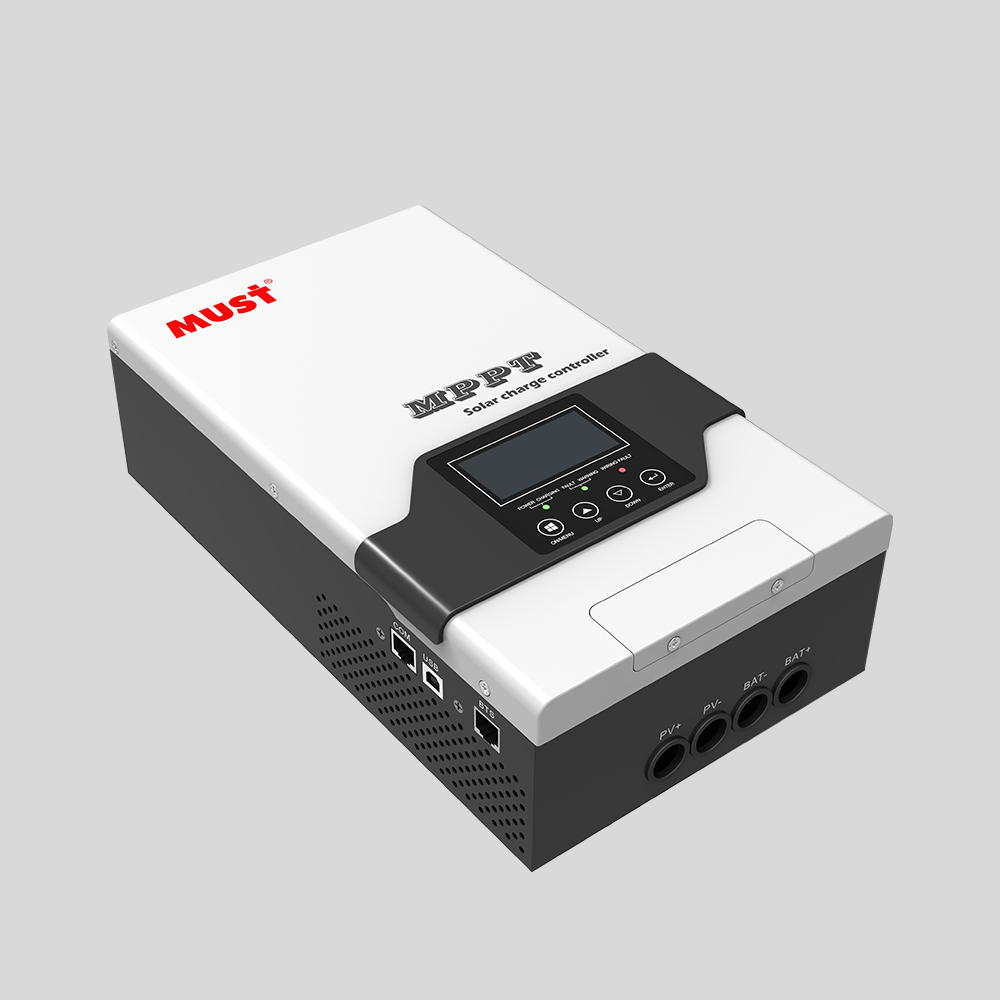
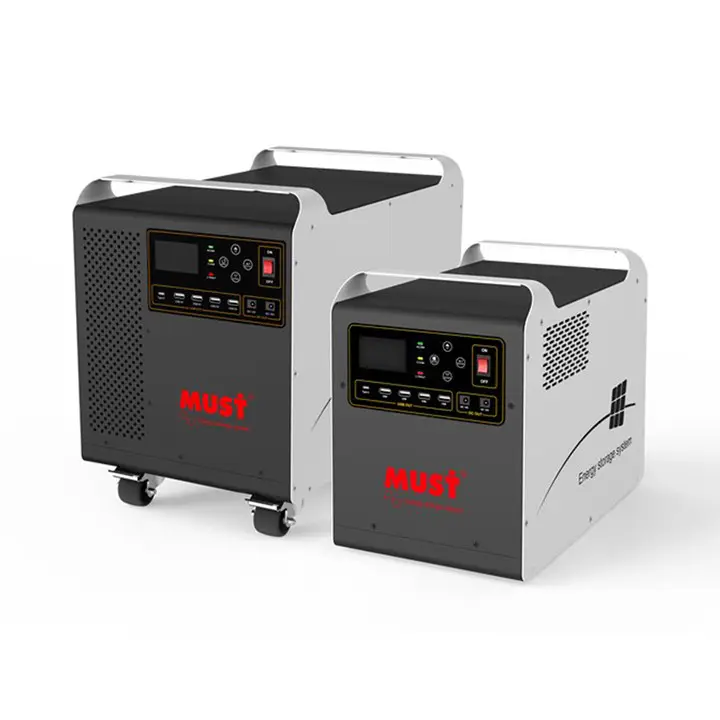
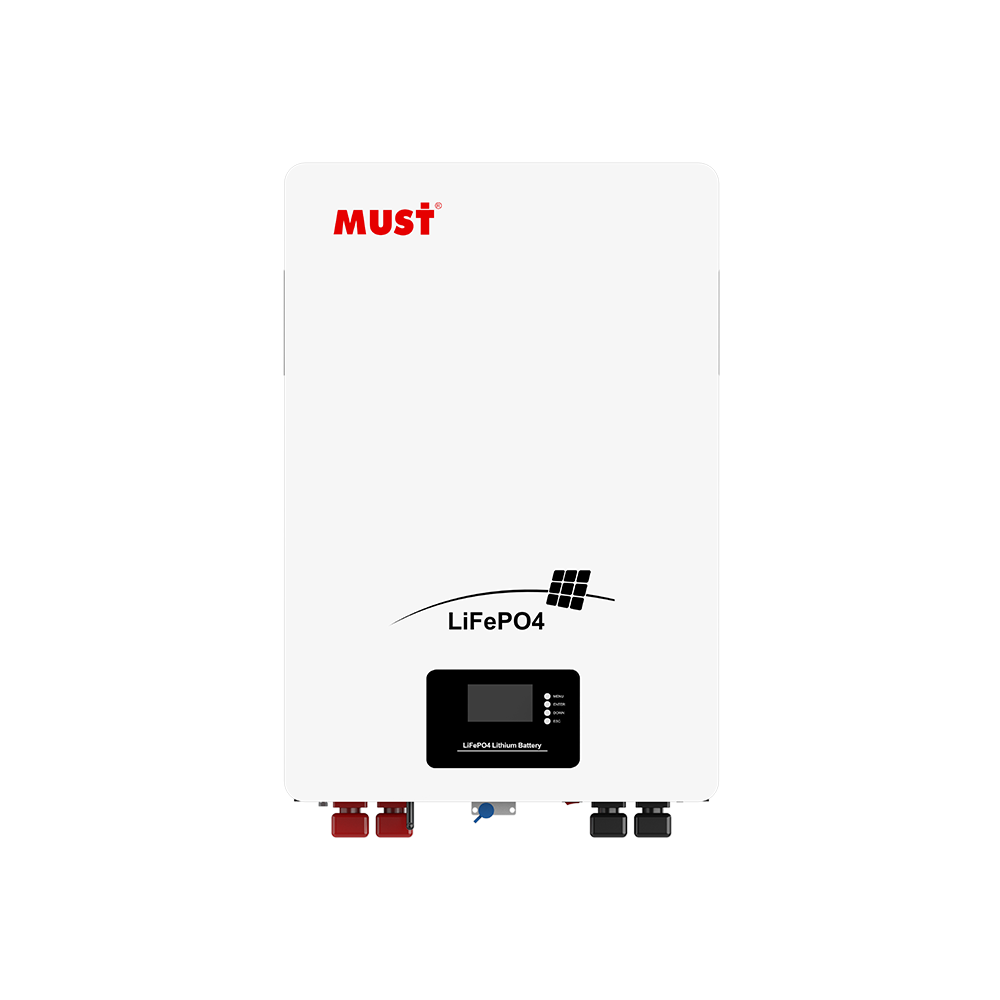
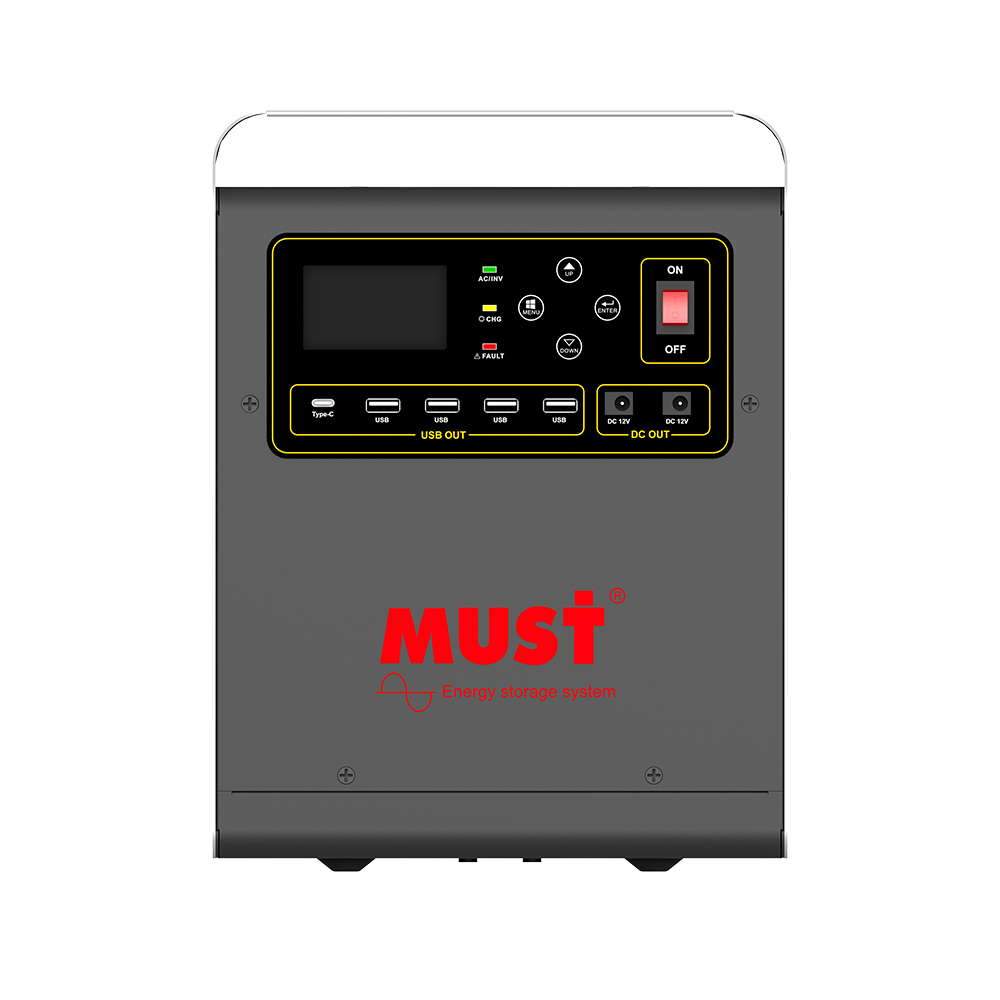
Factory-direct CE-compliant power systems engineered for industrial resilience, off-grid backup, and modular solar installations.
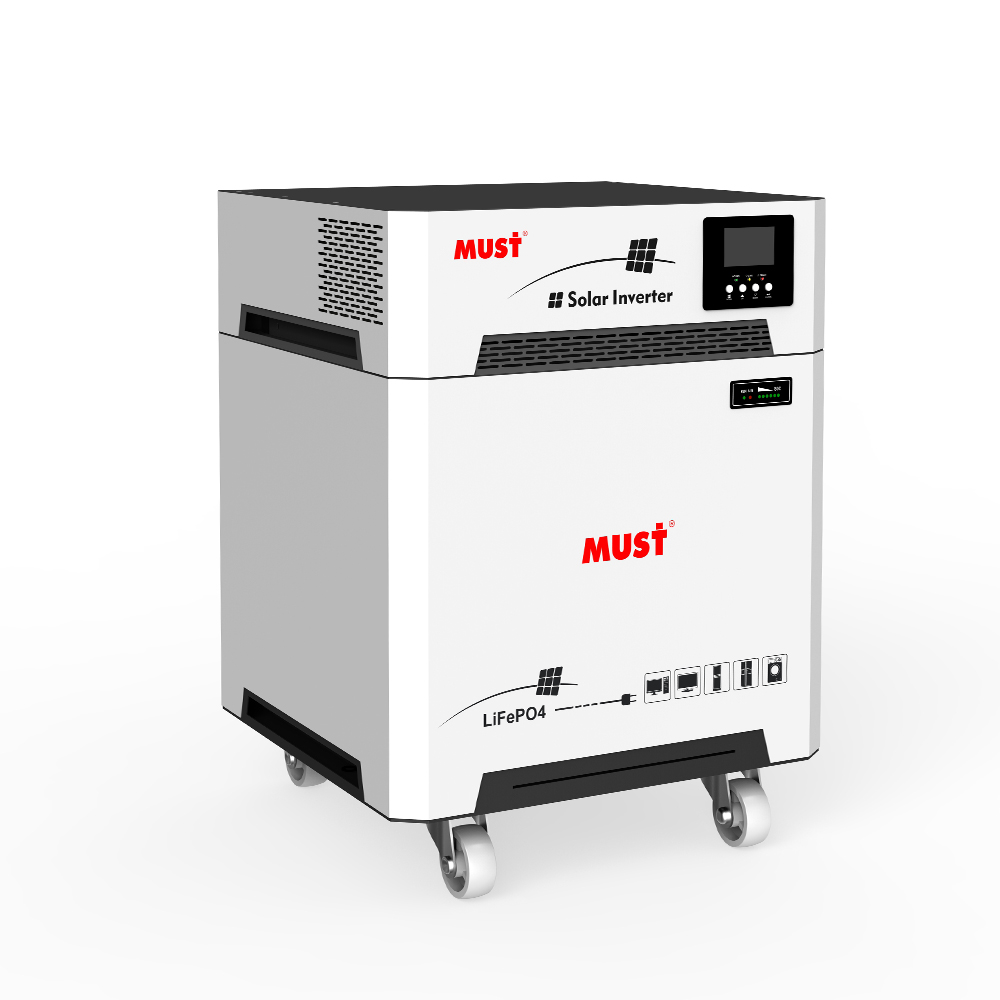
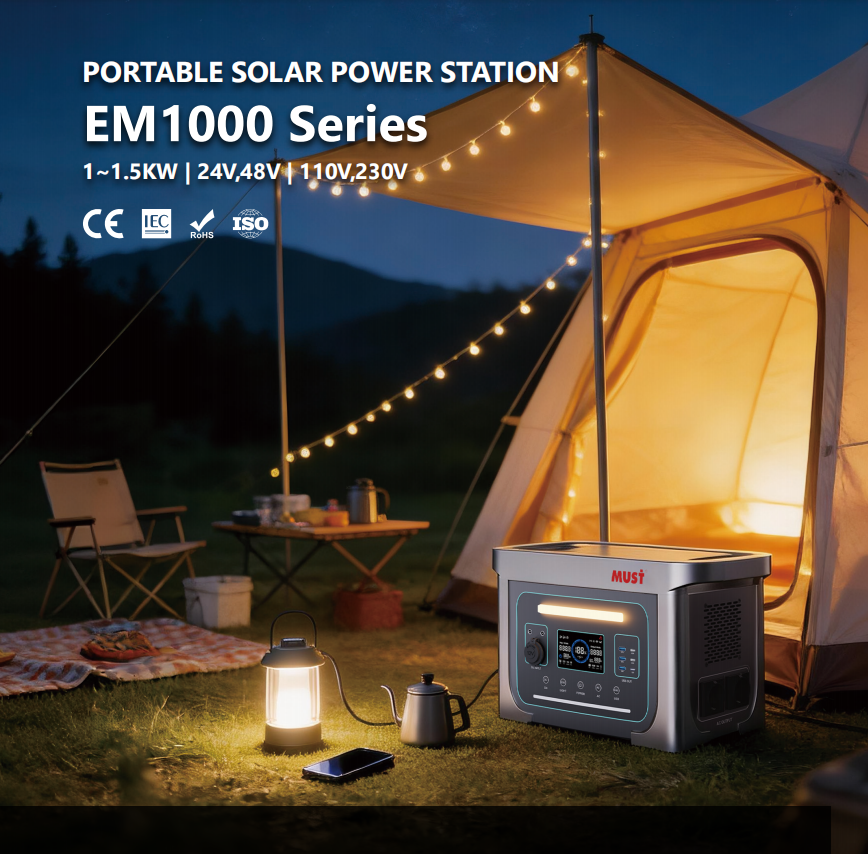

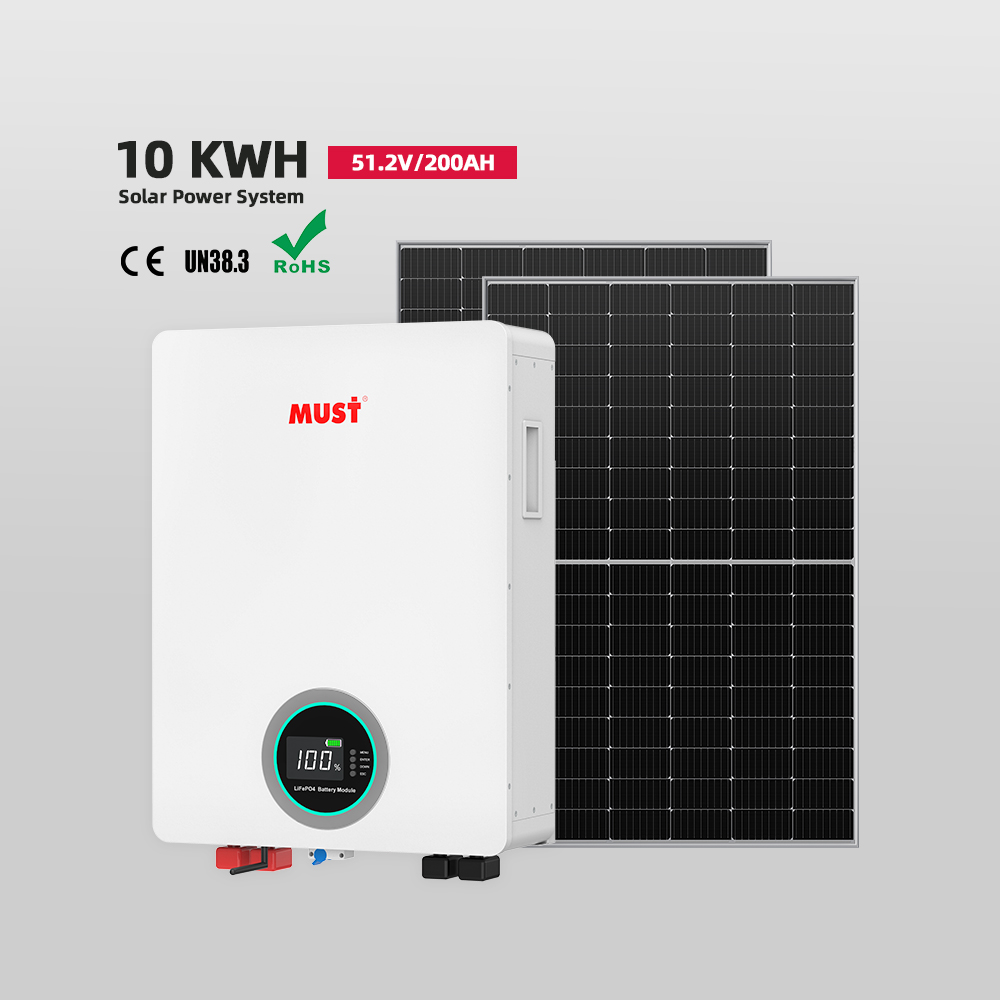
Technical White-Paper: CE Certified Modified Sine Wave Inverter Manufacturing
In global off-grid energy architecture, selecting the optimal inverter topology requires balancing thermal efficiency, harmonic distortion, bill-of-materials (BOM) cost, and application suitability. As premier CE certified modified sine wave inverter manufacturers and factories, CJH Energy provides this comprehensive technical paper to guide B2B procurement managers, original equipment manufacturers (OEMs), and system integrators through the engineering nuances of modified sine wave (MSW) technology versus pure sine wave (PSW) alternatives.
Understanding Modified Sine Wave Topology (Step-PWM)
A modified sine wave inverter does not synthesize a continuous smooth sinusoidal waveform. Instead, it utilizes high-speed MOSFET switching via Pulse Width Modulation (PWM) to output a 3-step stair-step AC waveform. The voltage toggles positive, pauses at zero volts, toggles negative, and pauses at zero again. The peak voltage is engineered to match standard grid peak voltage (e.g., approximately 310V peak for a 230V RMS output), ensuring that resistive loads receive equivalent power dissipation over time.
| Technical Parameter | Modified Sine Wave (MSW) | Pure Sine Wave (PSW) | Engineering Implication |
|---|---|---|---|
| Total Harmonic Distortion (THD) | 20% – 30% | < 3% | MSW creates higher harmonic heat in inductive loads. |
| Waveform Synthesis | 3-Step Square Wave PWM | Continuous High-Freq SPWM | MSW utilizes simplified gate control circuits. |
| Power Conversion Efficiency | 90% – 94% | 88% – 92% | MSW exhibits reduced switching loss in static state. |
| Production BOM Cost | Baseline (30-40% lower) | Premium (Higher component count) | MSW delivers superior cost-to-watt ratio for resistive loads. |
| Ideal Load Compatibility | Heaters, lights, simple electronics, power supplies | Compressors, medical equipment, variable frequency drives | MSW ideal for high-volume entry-level market penetration. |
CE Certification Benchmarks: LVD & EMC Directives
Compliance with European Union regulations is non-negotiable for importers. Standard off-the-shelf modified sine wave inverters often fail compliance due to high-frequency harmonic feedback into the DC line or unshielded electromagnetic radiation. CJH Energy ensures every unit meets rigorous CE mandates:
- Low Voltage Directive (LVD 2014/35/EU): Verified under EN 62109-1 standards for safety of power converters in photovoltaic systems. Double-insulated galvanic separation between DC input and AC output prevents high-voltage DC leakage to chassis earth.
- Electromagnetic Compatibility Directive (EMC 2014/30/EU): Tested under EN 61000-6-1 (Immunity) and EN 61000-6-3 (Emissions). Integrated multistage LC filters minimize conductive interference, allowing electronic appliances to run alongside the inverter without radio frequency (RF) buzzing or screen flickering.
Global B2B Sourcing & Market Trends (2025–2030)
Strategic insights for distributors and brand owners navigating evolving regulatory frameworks, raw material cost shifts, and technological convergence.
1. Hybrid Inverter-Storage Integration
Importers are increasingly moving away from standalone power inverters toward all-in-one systems featuring built-in MPPT solar charge controllers and LiFePO4 battery management protocols (CAN/RS485). Integrated units dramatically lower installation labor costs in developing markets.
2. IoT Telemetry & Smart Remote Monitoring
Next-generation buyers demand integrated Wi-Fi / GPRS connectivity. Modern modified sine wave and hybrid inverters now support mobile app monitoring, permitting real-time telemetry on battery state of charge (SOC), thermal levels, and fault logging over cloud servers.
3. Stricter Environmental & Compliance Norms
EU and North American customs authorities are tightening scrutiny over RoHS compliance, WEEE packaging compliance, and carbon footprint tracking. Sourcing from factories holding ISO 14001 environmental management certification shields brand owners from regulatory trade disruptions.
4. Demand for High Surge Multi-Load Capacity
Emerging economies in Africa, Southeast Asia, and Latin America require modified sine wave inverters capable of handling peak instantaneous surge loads up to 300% of nominal rating to start heavy motor-driven equipment without triggering overload shutdowns.
5. Compact Form-Factor via GaN MOSFETs
The introduction of Gallium Nitride (GaN) and Silicon Carbide (SiC) semiconductors allows inverter factories to increase switching frequencies, reducing heavy iron-core transformer size and creating lightweight, ultra-portable power solutions.
6. Localization of Technical Support
Global buyers prioritize manufacturers with localized technical hubs. CJH Energy's established branch offices in Poland, South Africa, Dubai, and Egypt provide rapid warranty fulfillment, local stock access, and on-site engineering consultations.
Future Product Development Directions for Modified Sine Wave Factories
As power electronics advance, modified sine wave inverter manufacturing is undergoing a technological renaissance. Rather than serving purely as budget energy convertors, modern modified sine wave systems are incorporating state-of-the-art microprocessors, intelligent thermal regulation, and dual-output switching mechanisms.
1. Microprocessor-Controlled Dynamic Step Duty Cycles
Legacy modified sine wave inverters used fixed-duty 3-step square waves regardless of battery voltage. When battery voltage dropped from 13.8V DC to 10.5V DC, the AC output voltage dipped significantly, causing connected devices to underperform. Next-generation factory designs utilize high-speed 32-bit ARM microcontrollers that dynamically adjust the pulse width of zero-crossing pauses in real time. This maintains a steady 230V ± 3% RMS output even across wide DC input fluctuations.
2. Advanced Thermal Dissipation & Silent Fan Profiles
Heat is the primary cause of MOSFET breakdown. Traditional factory cooling relied on noisy, continuously running fans. Modern engineering incorporates smart thermistors coupled with aluminum extrusion heat-sink blocks. Intelligent fan algorithms trigger cooling only when internal heat exceeds 45°C, extending fan lifespan by over 300% and offering whisper-quiet operation during light load states.
3. Dual-DC Voltage Universal Architecture
To reduce SKU inventory overhead for overseas importers, factory R&D teams are engineering dual-input auto-sensing mainboards capable of recognizing either 12V or 24V DC input configurations automatically. This allows brand owners to stock a single hardware unit that adapts seamlessly to diverse customer battery setups.
Enterprise Advantages: Why Partner with CJH Energy?
CJH Energy (guangdong) Tech Co., Ltd. stands as an industry-leading manufacturer of off-grid solar inverters, MPPT solar charge controllers, pure and modified sine wave power inverters, UPS systems, and LiFePO4 energy storage batteries. Backed by decades of continuous innovation, our enterprise offers unparalleled structural advantages to international buyers:
| Operational Pillar | CJH Energy Factory Standard | Strategic Benefit to B2B Buyers |
|---|---|---|
| Manufacturing Infrastructure | 31,056 m² modern facility with 1,109 staff | Scalable monthly production ensuring on-time container delivery. |
| Third-Party Verification | TÜV Rheinland audited on-site & ISO 9001/14001/45001 | Mitigated compliance risk for international tenders and customs clearance. |
| R&D Engineering Strength | 80+ senior power electronics & BMS engineers | Full OEM/ODM customization: firmware, protocol, housing, and packaging. |
| Production Capacity | 600,000 units annual output across 10 product lines | Stable volume pricing with minimal lead times during market peak seasons. |
| Global Support Network | Subsidiaries in Poland, South Africa, Dubai, and Egypt | Local after-sales support, spare parts distribution, and regional stock. |
End-to-End Quality Management System (QMS)
Every modified sine wave inverter off our assembly lines undergoes rigorous quality checkpoints: IQC (Incoming Quality Control of raw MOSFETs and transformers), IPQC (In-Process Quality Control during automated SMT placement), 100% full-load thermal burn-in testing for 4+ hours, and OQC (Outcoming Quality Control high-voltage isolation flash tests). Our strict defect tolerance is maintained below 0.2%, providing distributors peace of mind when marketing our products under their brand name.
Frequently Asked Questions for B2B Procurement
Clear technical and commercial answers to aid purchasing decisions for modified sine wave inverters and solar systems.
Q1: Is CJH Energy a direct factory or a trading company?
CJH Energy is a custom manufacturing enterprise with our own fully integrated production lines. Our facility spans 31,056 m² in Guangdong, employs 1,109 staff, and has been verified on-site by TÜV Rheinland. We handle R&D, SMT circuit placement, transformer winding, assembly, and aging tests in-house.
Q2: What is the main operational difference between modified sine wave and pure sine wave inverters?
Modified sine wave inverters output a stepped square wave AC current suitable for resistive loads (lights, electric heaters, simple power adapters). Pure sine wave inverters output a smooth sinusoidal current equivalent to grid power, necessary for sensitive inductive loads (refrigerators, air conditioners, pumps, and medical devices). Modified sine wave units provide a vastly superior cost-per-watt ratio for budget-conscious applications.
Q3: Which appliances CAN and CANNOT be run on a modified sine wave inverter?
Compatible Appliances: Incandescent bulbs, resistive heaters, toaster ovens, laptop chargers, mobile phone power blocks, simple power tools, and televisions.
Incompatible/Not Recommended: Refrigerators, washing machines with induction motors, microwave ovens, medical equipment (CPAP machines), laser printers, and variable-speed power tools.
Q4: How does CJH Energy ensure CE certification validity for custom OEM orders?
Every inverter series designed at CJH Energy undergoes formal laboratory testing to meet EU Directives 2014/35/EU (LVD) and 2014/30/EU (EMC). When clients request OEM branding, we provide test reports and Declaration of Conformity (DoC) documents to facilitate smooth registration with local market authorities.
Q5: What OEM and ODM customization options are available for wholesale buyers?
With 80+ engineers, we provide complete ODM/OEM customization including customized aluminum enclosure designs, logo silkscreening, retail box styling, AC outlet socket types (Universal, UK, EU, US, AU), DC terminal sizes, customized LCD screens, special input/output voltage settings, and customized thermal shutdown thresholds.
Q6: How do I select the right system voltage (12V, 24V, or 48V DC) for an inverter installation?
As a practical engineering rule: 12V DC systems are recommended for total loads under 1,000W; 24V DC systems suit continuous loads between 1,000W and 3,000W; and 48V DC systems are essential for loads exceeding 3,000W. Higher input voltages significantly reduce DC current draw, minimizing cable diameter requirements and thermal energy loss.
Q7: What is CJH Energy's annual production capacity and typical lead time for containers?
Our annual manufacturing capacity is approximately 600,000 units across all product lines. Standard lead times for 20ft/40ft container orders are typically 25 to 35 days from deposit confirmation and sample approval.
Q8: Does CJH Energy provide regional warranty support outside China?
Yes. To support our global distribution partners, CJH Energy operates subsidiary offices and technical service points in Poland (Warsaw), South Africa, Dubai, and Egypt. We provide spare mainboards, replacement components, and fast-track RMA services directly in these regions.
Partner with a CE Certified Inverter Factory Today
Elevate your market competitiveness with factory-direct pricing, certified quality, and dedicated engineering support. Contact our technical sales team for wholesale quotes and OEM specifications.
