Executive Summary: Engineering Integrity & CE Compliance Standards
In the rapidly maturing global energy transition landscape, selecting qualified CE Certified Inverter Battery Charger Suppliers & Wholesalers requires an exhaustive evaluation of electrical safety, electromagnetic compatibility (EMC), electrochemical stability, and thermal management architectures. Commercial buyers, EPC contractors, and regional wholesalers can no longer rely on unverified OEM specifications. The European Conformity (CE) mark represents a legal prerequisite that ensures power electronics comply with key directives including the Low Voltage Directive (LVD 2014/35/EU), Electromagnetic Compatibility Directive (EMC 2014/30/EU), and applicable battery safety standards like EN IEC 62109-1/-2 and EN 62040-1.
This technical whitepaper provides B2B sourcing executives with a granular analysis of bi-directional inverter chargers, high-frequency MPPT charge controllers, and integrated Lithium Iron Phosphate (LiFePO4) energy storage systems. Backed by state-of-the-art manufacturing infrastructure encompassing 31,056 m² of automated assembly, an annual output capacity of 600,000 units, and on-site auditing by TÜV Rheinland, CJH Energy (Guangdong) Tech Co., Ltd. delivers factory-direct engineering expertise to overcome grid instability, mitigate total cost of ownership (TCO), and safeguard project ROI.
Flagship CE-Certified Inverter & Battery Storage Portfolio
Explore factory-direct off-grid/hybrid inverters, MPPT solar regulators, and wall-mounted/rack-mounted LiFePO4 battery banks certified for global deployment.

10kWh 48V 200Ah Lithium Battery for Home & Solar Power 3-in-1 LiFePO4 Battery Wall Mounted Stacked Mounted Rack Mounted Storage
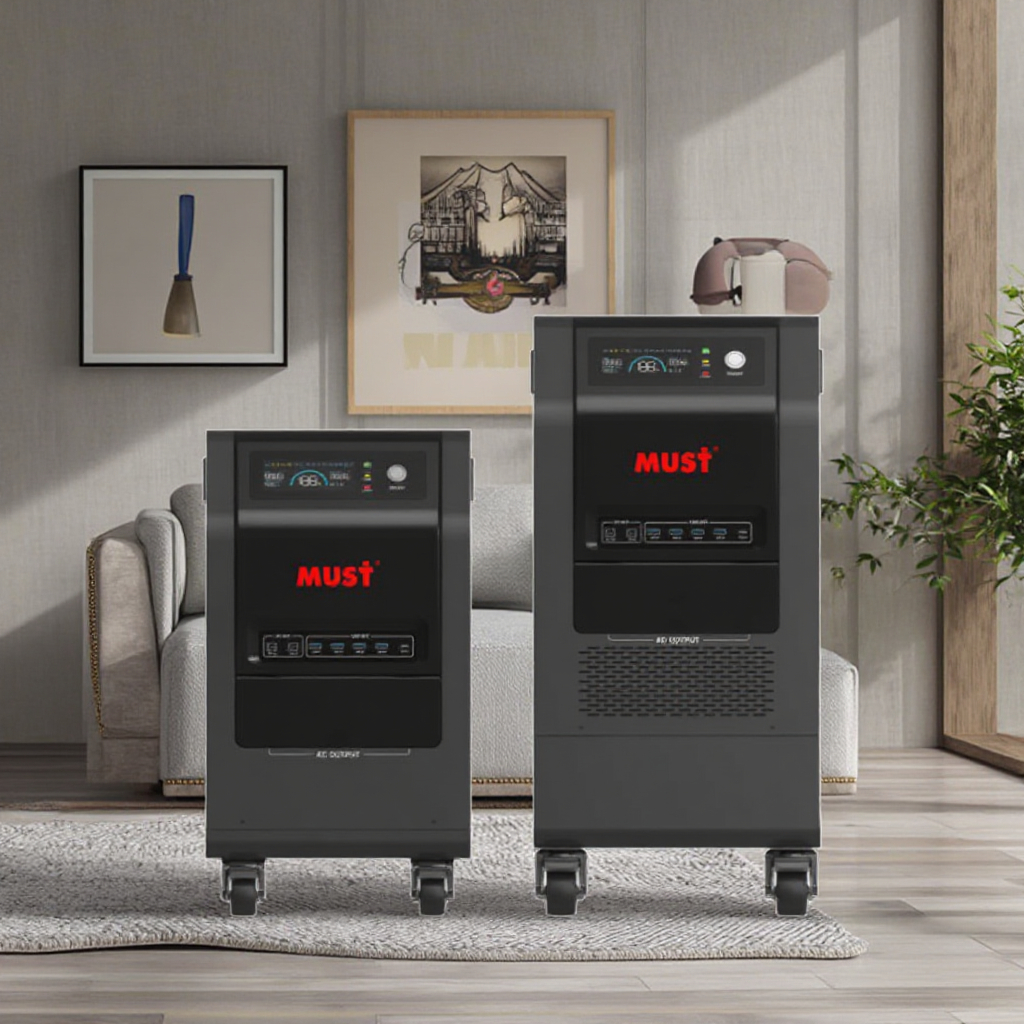
3000Wh 5000W HPortable Power Station Wholesale 220V Outdoor 5Wh Power Supply Solar Panel Generador Solar Portatil
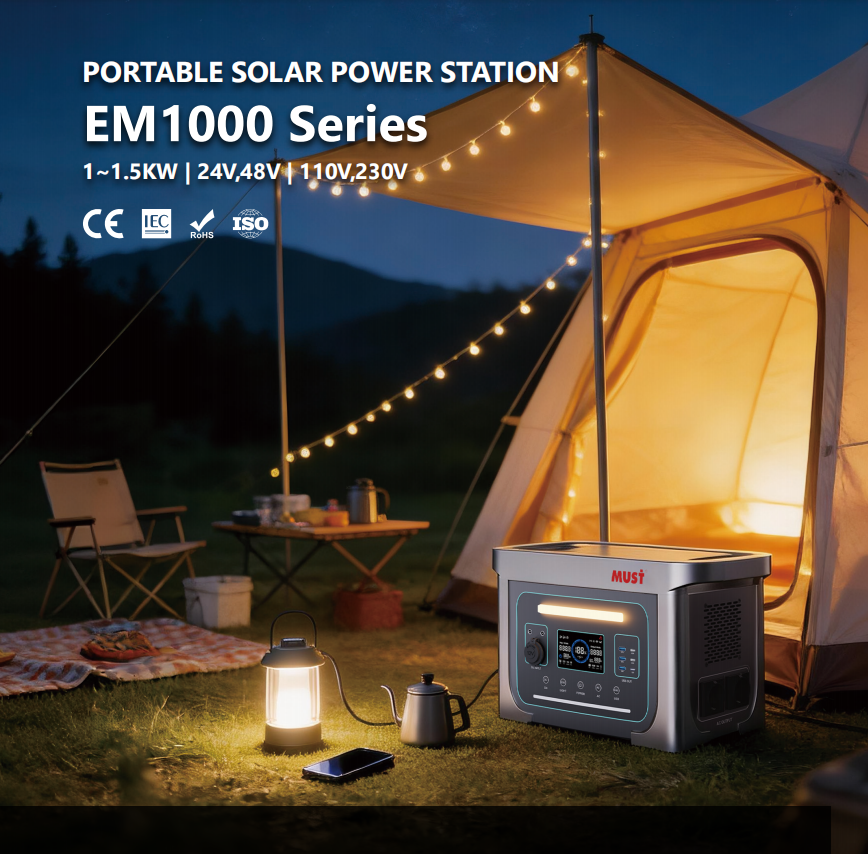
MUST Portable Power Station & All in One Product-EM1000S
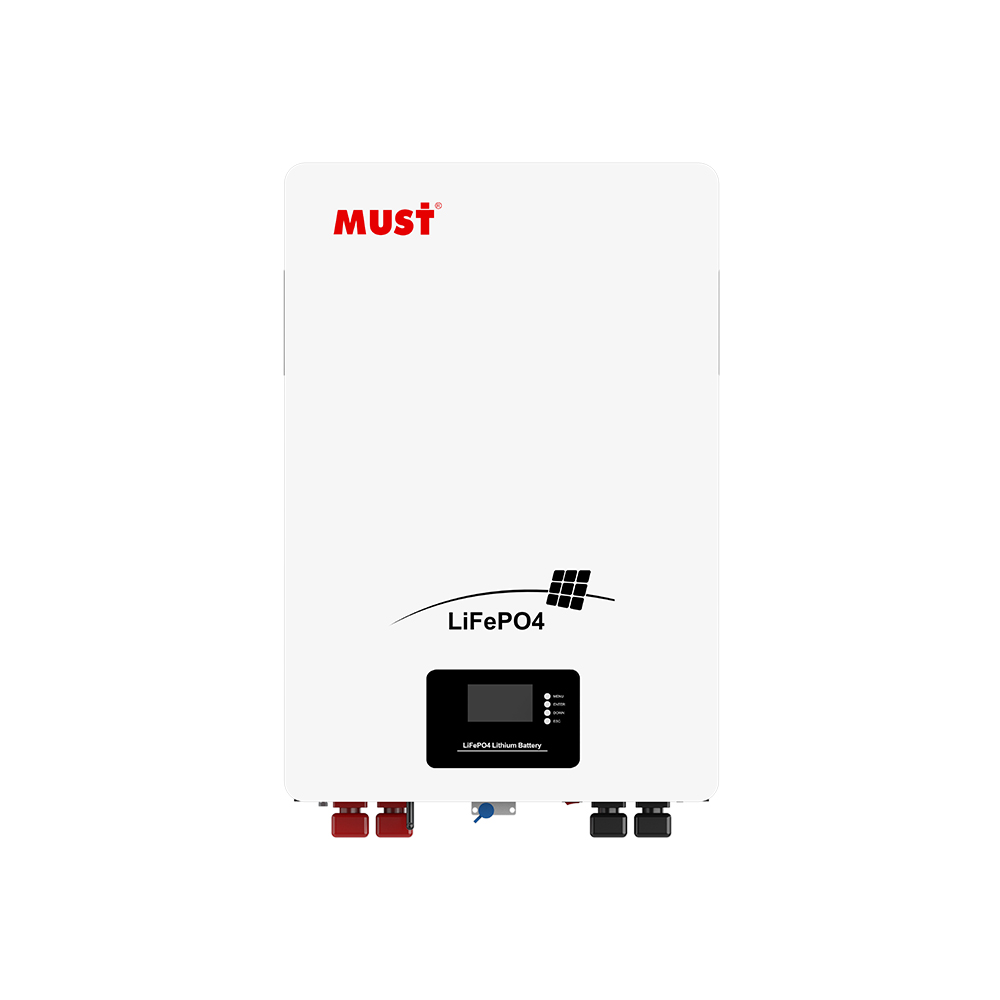
Poland Warehouse 10KWh LiFePO4 Energy Storage Battery CAN RS485 RS232 Communication Hybrid Inverters for LP16-48200 6000 Cycles
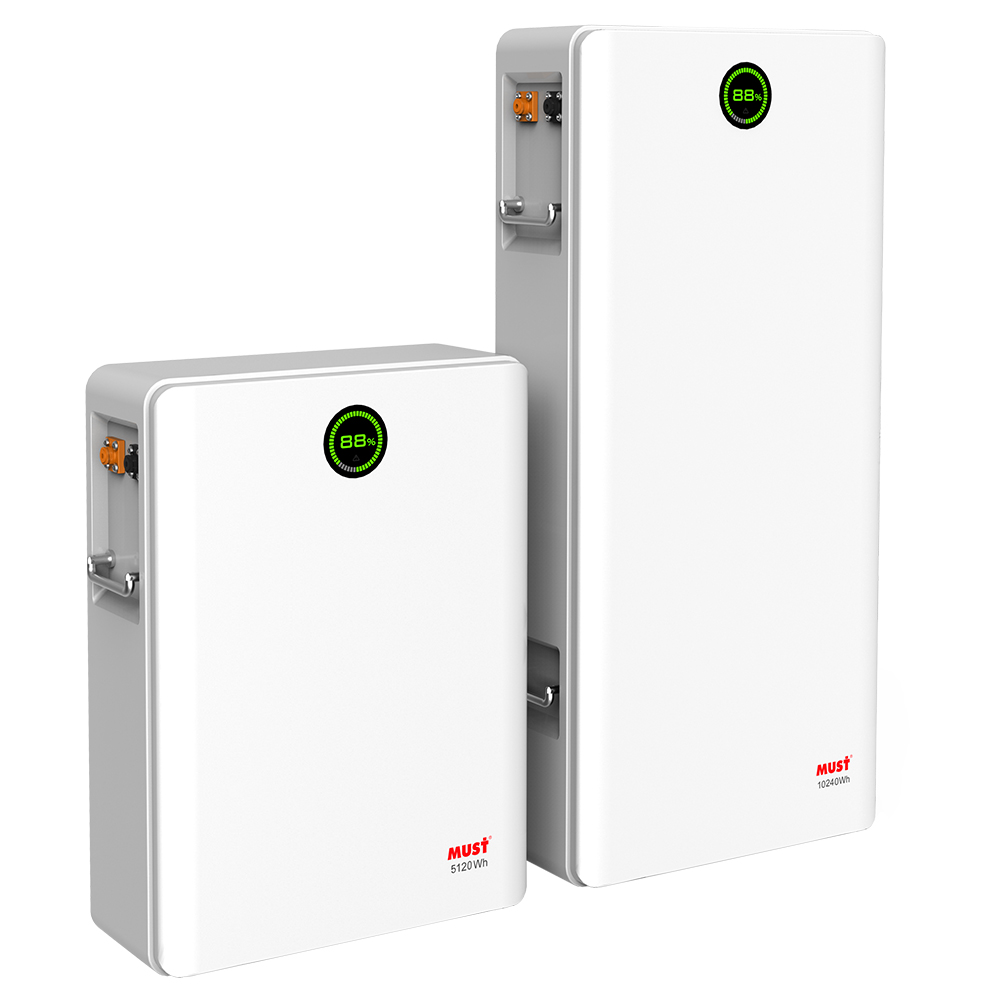
Poland LP28-48200 48V LiFePO4 Lithium Battery 5.12kWh Wall Mounted Home Energy Storage 153.6kWh Parallel Storage IP65 CAN
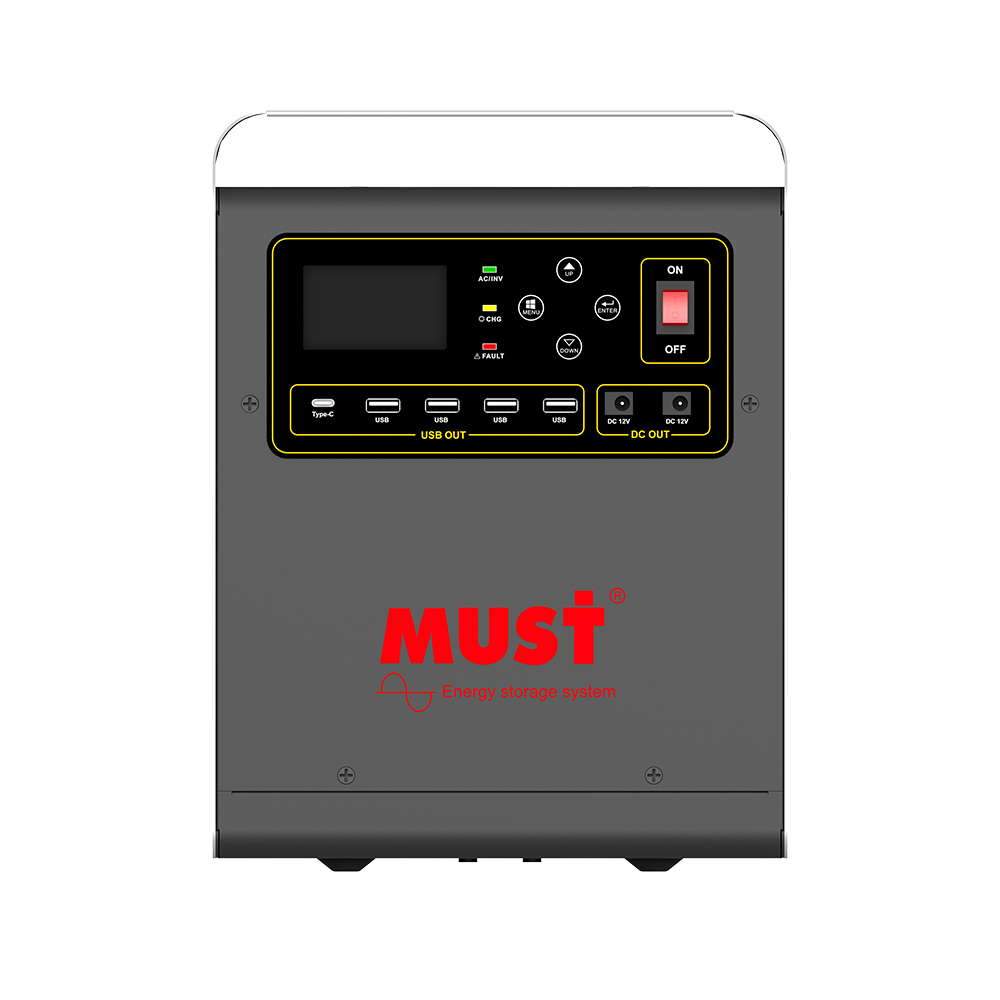
For MUST 1KW Portable Solar Power Station with 1KWH LifePO4 Battery Wireless Charging MPPT Controller for Ukraine

MUST Factory All in One HBP19 Series Wall Mounted Lifepo4 Battery Solar Energy Storage System Home 3.5kw 5.5kw 3.2kwh 5.1kwh
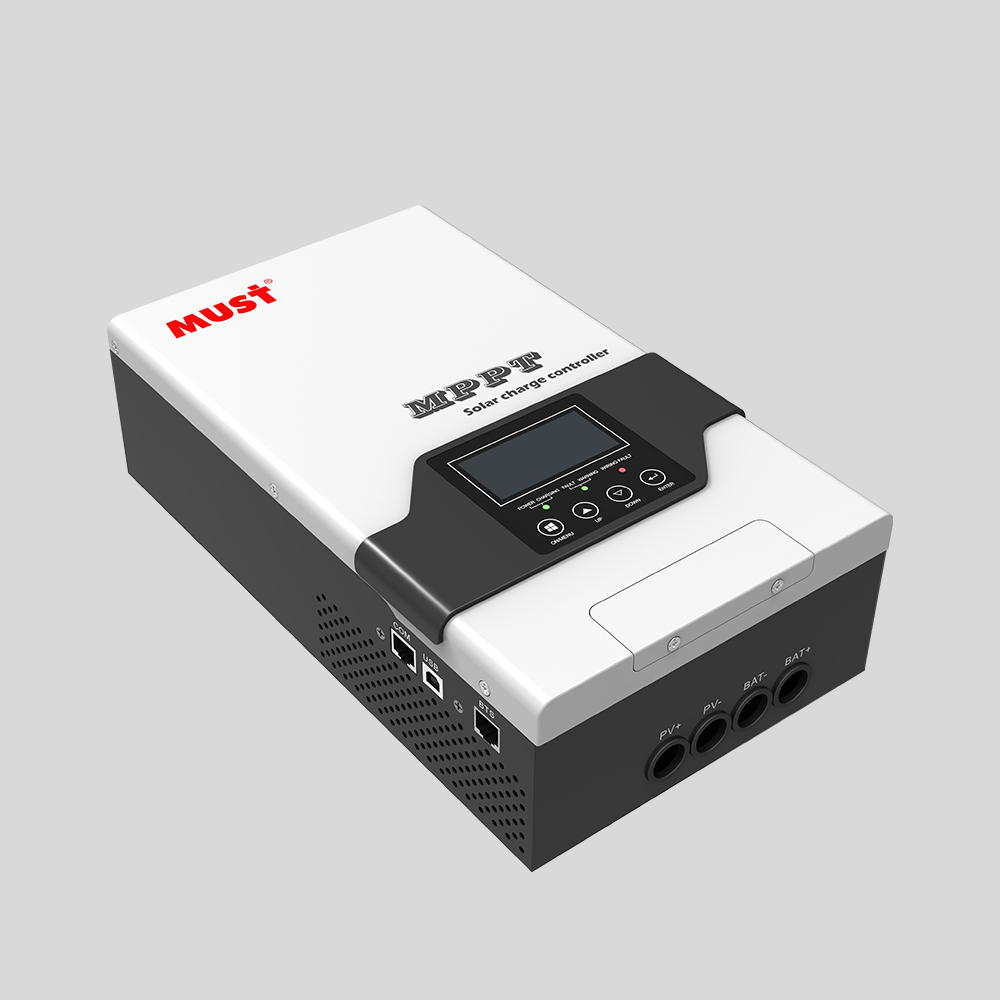
MUST PC1800F Series Fan Cooling 60A 80A 100A Mppt 12V 24V 48V Solar Charge Controller Solar Regulator
Product Development Trends in Inverter Charger Electronics
Key technical advancements transforming pure sine wave off-grid & hybrid inverter chargers, MPPT regulators, and electrochemical storage systems over the next decade.
1. Next-Gen Wide Bandgap (WBG) Semiconductor Integration (GaN & SiC)
Traditional inverter chargers historically relied on silicon Insulated-Gate Bipolar Transistors (IGBTs) operating at switching frequencies between 10 kHz and 20 kHz. The engineering trajectory across CE-compliant power electronics is shifting toward Silicon Carbide (SiC) MOSFETs and Gallium Nitride (GaN) high-electron-mobility transistors. Operating at switching speeds exceeding 100 kHz, WBG semiconductors dramatically decrease switching losses, reduce passive inductor and transformer sizing by up to 40%, and elevate peak inverter conversion efficiency from 93% to over 98.2%.
This thermal and volumetric efficiency allows wholesalers to stock lighter, more compact units—such as the 3.5kW and 5.5kW wall-mounted pure sine wave series—significantly reducing international freight tariffs per kilowatt-hour of delivered capacity.
2. Bi-Directional Topology & High-Voltage Architecture (400V HV vs 48V LV)
While low-voltage (48V DC nominal) systems remain the dominant choice for residential off-grid applications due to safety and modularity, commercial and multi-family residential setups are transitioning to High-Voltage (HV) battery architectures (200V–500V DC). Bi-directional topology enables unified single-stage DC-DC conversion, minimizing step-up thermal losses during battery discharge cycles.
Simultaneously, hybrid inverter chargers are incorporating micro-grid grid-code algorithms (such as frequency-watt derating, zero-export power limitation, and reactive power compensation) to ensure full compliance with updated European network requirements (EN 50549-1 and VDE-AR-N 4105).
3. Smart BMS Multi-Protocol Binding & AI Predictive Analytics
Modern battery chargers are no longer isolated voltage regulators; they function as intelligent communications nodes. Advanced Battery Management Systems (BMS) integrated into LiFePO4 packs now utilize active cell balancing (up to 2A balancing current) combined with adaptive State-of-Charge (SOC) and State-of-Health (SOH) calculation algorithms.
Suppliers are standardized on dual-bus CAN 2.0B and RS485 communication interfaces featuring multi-protocol auto-matching. This firmware-level intelligence allows seamless plug-and-play interoperability between MUST, LP28, LP16 battery modules and major third-party hybrid inverters, eliminating field commissioning errors for local installers.
| Architecture Feature | Legacy Inverter Charger (Pre-2020) | Modern CE Certified Standard (2024+) | Next-Gen Development (2026 Trend) |
|---|---|---|---|
| Power Semiconductor | Silicon IGBT / Standard MOSFET | Superjunction MOSFET / SiC Diode | Full SiC & GaN Power Modules |
| Max MPPT Efficiency | 95.0% – 96.5% | 98.0% – 99.1% | > 99.5% Dynamic Solar Tracking |
| Battery Chemistry Fit | Flooded Lead-Acid / Gel / AGM | LiFePO4 (LFP) with CAN/RS485 BMS | Solid-State & Sodium-Ion Compatible |
| Transfer Time (UPS Mode) | 15ms – 30ms | < 10ms (Zero-Perception) | < 4ms Microgrid Synchronization |
| Safety Directives | Basic CE LVD | CE LVD, EMC, EN 62109-1/-2, IP65 | IEC 62619, UL 1973, Cyber-Security ISO 27001 |
Future Procurement Trends & Wholesale Sourcing Analysis
Strategic insights for B2B buyers navigating supply chain shifts, localized inventory demands, and total lifecycle value optimization.
1. Regional Bonded Stocking & European Warehouse Distribution
The global energy storage market is moving away from pure factory-direct FOB ocean shipping models due to lead-time vulnerabilities and volatile container shipping rates. Leading wholesalers now prioritize suppliers maintaining strategically positioned regional logistics hubs. CJH Energy's established subsidiary infrastructure—including the Warsaw (Poland) warehouse hub alongside facilities in South Africa, Dubai, and Egypt—allows European distributors to access CE-certified LiFePO4 batteries (such as LP28-48200 and LP16-48200) with 48-hour localized dispatch.
This hybrid sourcing model balances bulk ocean-freight cost efficiencies with rapid local stock replenishment, minimizing working capital lockup for downstream installers.
2. Tailored White-Label OEM & Firmware Protocol Customization
Off-the-shelf branded products often result in price erosion and margin compression in competitive regional markets. A primary trend among tier-1 procurement managers is securing comprehensive OEM/ODM customization rights. Customization extends beyond silk-screened brand logos and custom chassis colorways; it demands firmware parameter pre-configuration.
Qualified suppliers must offer pre-programmed charging curves tailored for specific battery chemistries, customized LCD user interfaces supporting localized languages (Spanish, French, German, Arabic), and custom CAN-bus handshakes to bind proprietary energy management software.
3. Total Lifecycle Warranty & Traceable Testing Documentation
With CE regulatory bodies increasing market surveillance regarding EMC compliance and hazardous substance limits (RoHS/REACH), wholesalers face elevated liability risks. Sourcing protocols now mandate full traceability of power components and battery cells. High-grade suppliers provide batch-specific cell testing certificates (UN38.3, MSDS, IEC 62619) alongside 6,000+ deep-cycle life verification data (at 80% Depth of Discharge, 25°C).
Why Partner with CJH Energy (Guangdong) Tech Co., Ltd.?
CJH Energy represents the benchmark in power electronics manufacturing, combining 20+ years of technical leadership with a robust manufacturing base engineered for international export quality.
31,056 m² ISO Facility
State-of-the-art production facility equipped with automated SMT surface-mount lines, DIP soldering, and computerized aging test stations operating under ISO 9001, ISO 14001, and ISO 45001 standards.
1,109 Workforce & 80+ R&D
A highly skilled workforce supported by an in-house engineering team holding national invention patents, capable of completing complex OEM/ODM hardware and firmware adaptations within tight timelines.
TÜV Rheinland Audited
On-site verified manufacturing capabilities by TÜV Rheinland, offering global B2B buyers full transparency, zero-defect quality control, and verifiable CE compliance documentation.
Frequently Asked Questions (Procurement FAQ)
Technical and commercial answers addressing common engineering inquiries from wholesale buyers, importers, and EPC system integrators.
Q: What specific test standards define full CE compliance for inverter battery chargers in the EU?
To satisfy European regulatory enforcement, an inverter battery charger must demonstrate compliance with two primary directives: the Low Voltage Directive (LVD 2014/35/EU) evaluated under EN IEC 62109-1 (general safety for solar power converters) and EN IEC 62109-2 (particular requirements for MPPT/inverters), or EN 62040-1 for uninterruptible power supply (UPS) units. Furthermore, the EMC Directive (2014/30/EU) requires passing EN 61000-6-1/3 (residential emissions & immunity) or EN 61000-6-2/4 (industrial environments) to ensure the charger does not induce electromagnetic interference on local utility lines.
Q: How does low-frequency transformer-based topology compare to high-frequency transformerless design?
Low-frequency inverter chargers (such as the PV3000 VHM 5000W series) utilize a heavy copper toroidal transformer operating at the output line frequency (50Hz/60Hz). This provides galvanically isolated electrical immunity and exceptional surge capacities (up to 300% peak rating for 20 seconds), making them ideal for inductive motor loads like air conditioners, water pumps, and heavy machinery. Conversely, high-frequency transformerless inverters (like the PV1800 VHM series) rely on multi-stage high-frequency DC-DC switching. They offer higher power density, lighter weight, lower quiescent standby consumption, and lower manufacturing costs, making them superior for standard residential electronics and space-constrained wall installations.
Q: What parameters must be verified when matching a 48V LiFePO4 battery pack to a solar inverter charger?
Successful integration requires aligning three crucial boundaries:
1. Voltage Window: The inverter's programmable DC input cut-off, bulk, float, and equalization voltages must match the 16S LiFePO4 cell configuration (typically 44.8V low-voltage disconnect to 58.4V max absorption).
2. Communication Handshake: The inverter BMS port must communicate via CAN or RS485 using matching protocol definitions (e.g., Pylontech, MUST, or customized CAN IDs) to allow real-time dynamic charge current control.
3. Current Limits: Ensure the continuous charge rating of the battery BMS (e.g., 100A for a 5.12kWh pack) accommodates the maximum combined output of the inverter charger and MPPT regulator.
Q: Can CJH Energy support low minimum order quantities (MOQ) for OEM branding?
Yes. As a factory-direct custom manufacturer, CJH Energy offers flexible tier-based OEM/ODM programs. For standard chassis silk-screen branding and custom packaging, MOQs start as low as 50–100 units per model. For deeper engineering customizations—such as specialized sheet metal colors, custom LCD firmware branding, or proprietary BMS protocol integration—our 80+ member R&D team provides complete prototype development prior to mass production runs.
Q: What is the typical shipping lead time from your European regional warehouses versus factory FOB China?
For products stocked in our Warsaw (Poland) warehouse—such as the LP28-48200 5.12kWh wall-mounted LiFePO4 packs and standard 10kWh battery banks—dispatch occurs within 24 to 48 hours of order confirmation, with overland transit across continental Europe taking 2 to 5 business days. Direct factory container shipments (FOB Shenzhen/Guangzhou) carry a manufacturing production cycle of 15 to 25 days depending on OEM customization requirements, plus regional ocean freight transit times.
Request a Direct Wholesale Quote & Technical Datasheets
Connect with CJH Energy's senior application engineers to discuss wholesale pricing, custom OEM specs, and EU warehouse stock availability.
Get a Quote