Featured CE Certified Inverters & LiFePO4 Battery Systems
Explore our flagship series of off-grid solar inverters, hybrid power conversion systems, and modular LiFePO4 battery storage units engineered for residential microgrids, commercial backup, and weak-grid environments.
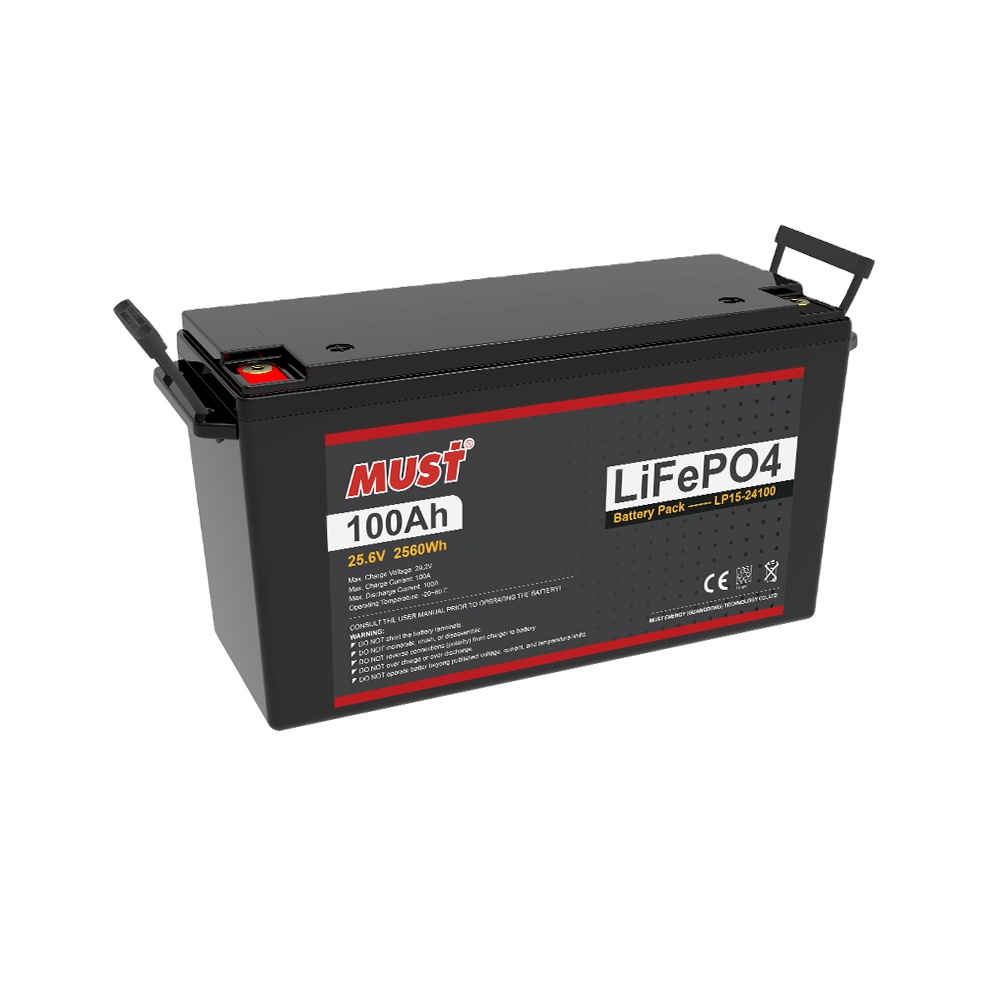
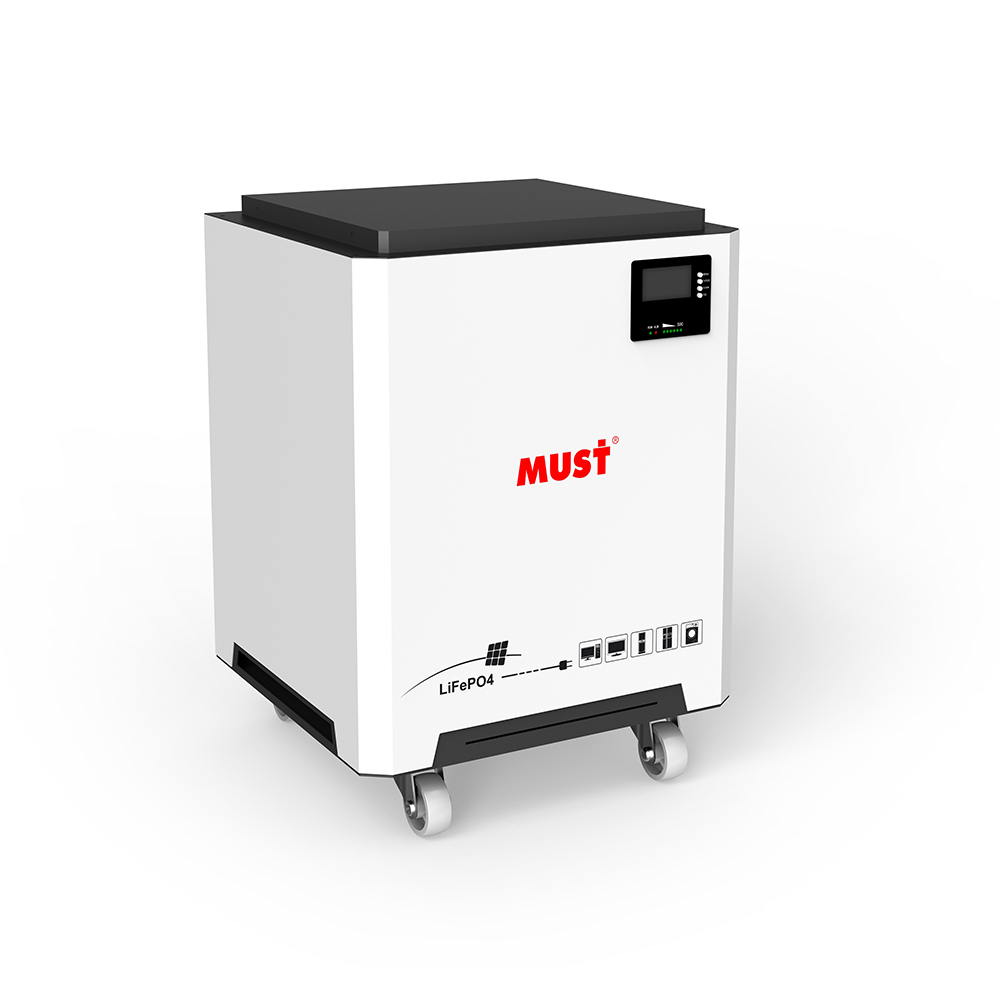
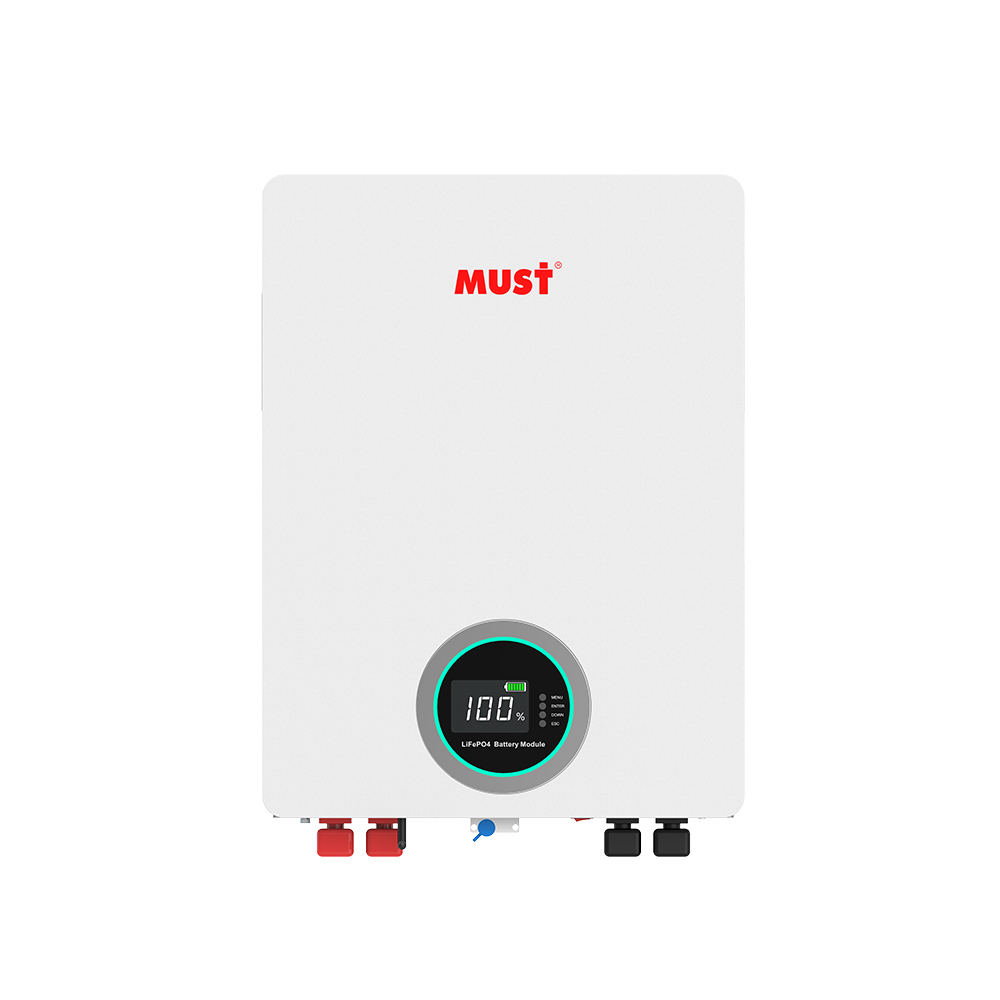

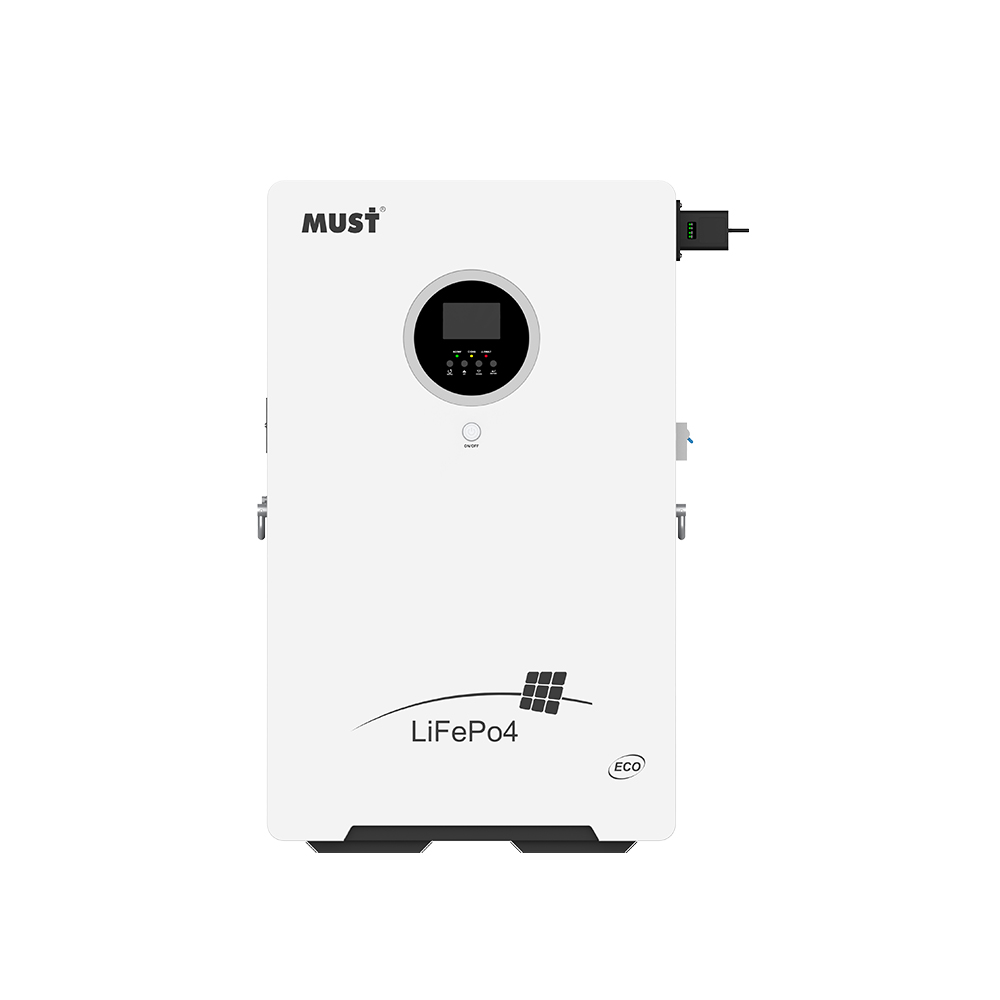
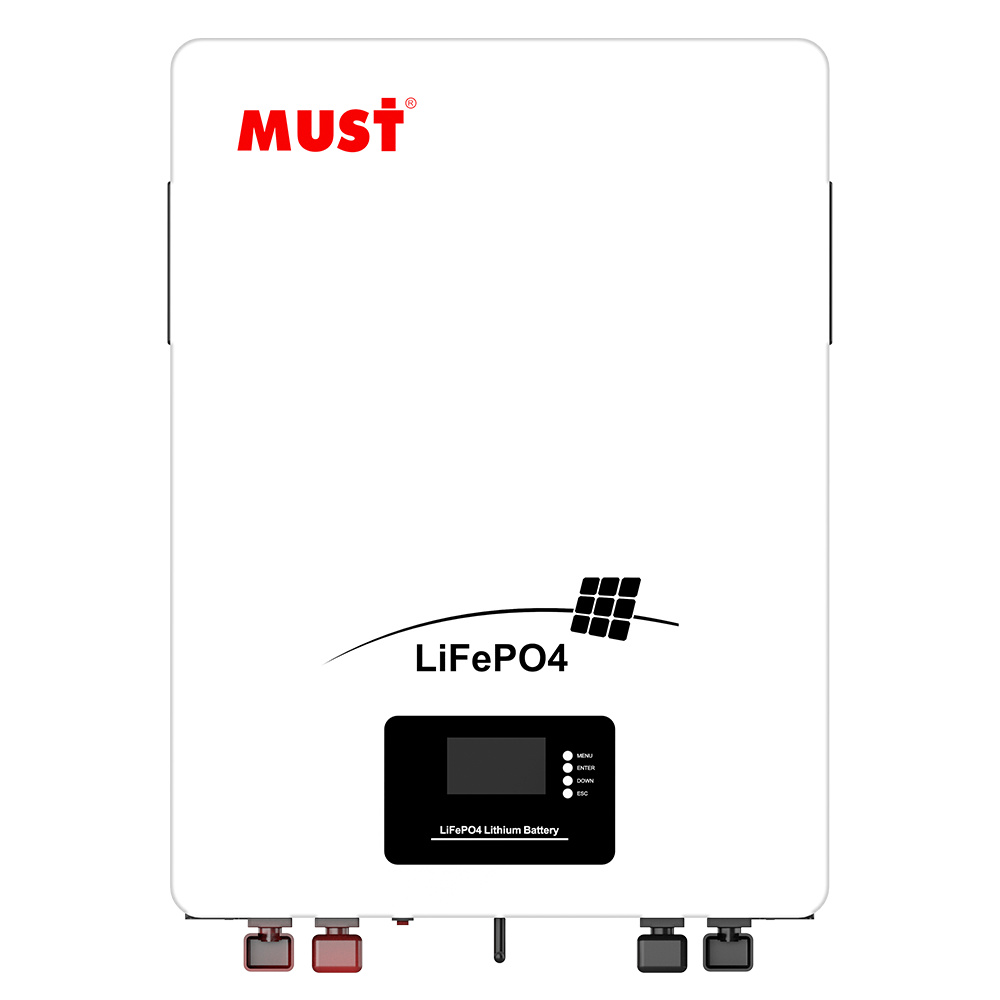
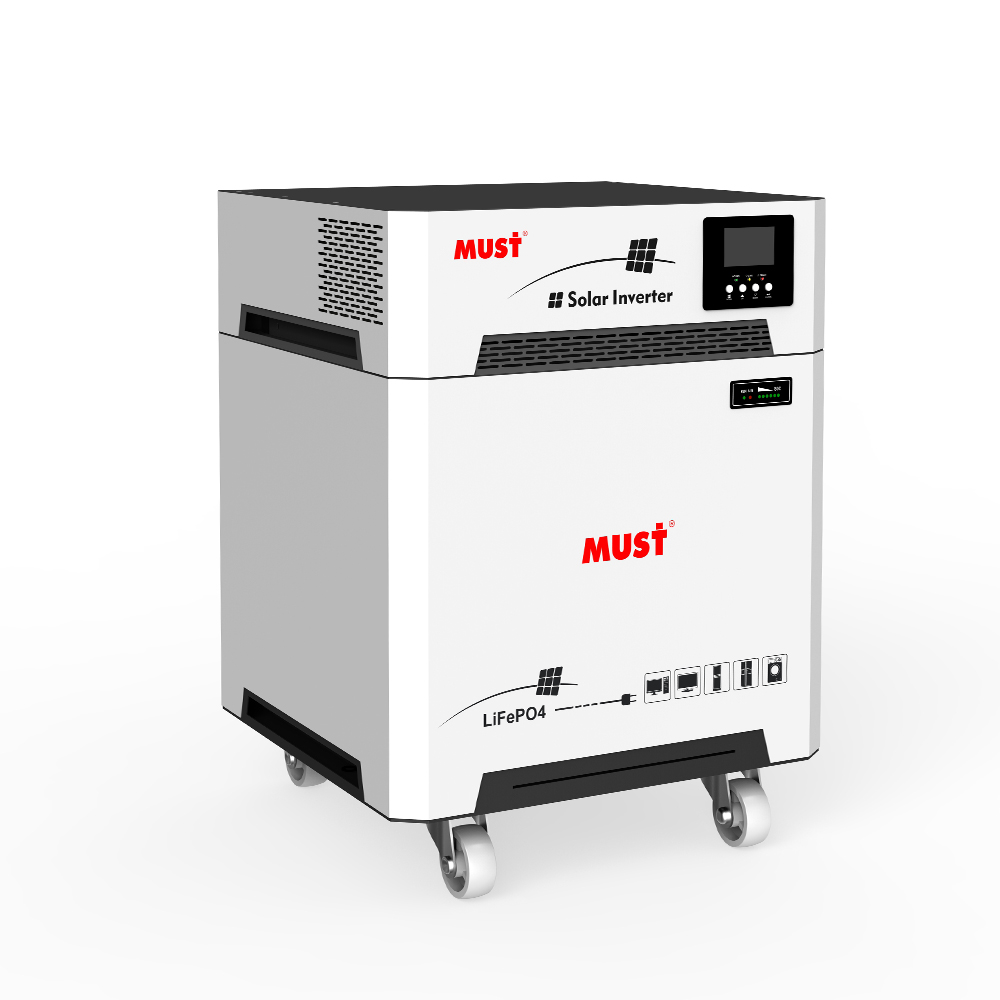

1. CE Compliance Architecture & Quality Engineering Standards
In the rapidly scaling international renewable market, procuring CE-certified battery storage inverters and integrated LiFePO4 systems is no longer a mere transactional requirement—it is a critical engineering safeguard. For commercial importers, engineering, procurement, and construction (EPC) contractors, and regional distributors, navigating the European Conformity (CE) directive framework demands a granular understanding of electrical safety, electromagnetic compatibility (EMC), and grid connectivity protocols.
CE marking on energy storage systems guarantees compliance with several imperative directives including the Low Voltage Directive (LVD 2014/35/EU), Electromagnetic Compatibility Directive (EMC 2014/30/EU), and the Radio Equipment Directive (RED 2014/53/EU) for IoT-enabled telemetry models. Tier-1 manufacturers adhere strictly to underlying standards such as EN 62109-1 and EN 62109-2 (safety of power converters for use in photovoltaic power systems), alongside IEC 62619 for industrial and residential lithium battery packs.
EN 62109-1 / EN 62109-2 Safety
Mandates galvanic isolation, creepage clearance, thermal dissipation modeling, and protection against high-voltage DC arcing during grid fault conditions.
EN 61000-6-2 / EN 61000-6-4 EMC
Ensures low high-frequency electromagnetic emissions and robust immunity against grid surges, electrostatic discharge, and transient voltage spikes.
IEC 62619 Battery Protection
Governs thermal runaway containment, cell-level overcharge/over-discharge prevention, and mechanical impact resilience for LiFePO4 chemistry.
Without rigorous compliance validation, imported energy storage equipment risks severe customs impoundment, localized grid rejection, and premature thermal or electrical degradation in the field. As a verified custom manufacturer certified on-site by TÜV Rheinland, CJH Energy integrates full-spectrum testing regimes across every phase of production—ensuring every batch delivers uncompromised safety, stable grid harmonization, and operational longevity exceeding 6,000+ deep discharge cycles.
2. Future Procurement Trends in Battery Storage & Inverter Systems
The global energy storage landscape is undergoing a structural paradigm shift driven by grid instability, rising electricity tariffs, dynamic time-of-use (ToU) billing structures, and national decarbonization mandates. B2B buyers must align their procurement strategies with four key technological and economic trends redefining power electronics over the next decade:
High-Voltage (HV) DC Bus Architectures
Transitioning from traditional 48V low-voltage battery banks to 200V–500V DC high-voltage architectures for residential and commercial scale-up. High voltage drastically reduces current density, allowing thinner copper cabling, minimal heat dissipation, and inverter conversion efficiencies topping 97.5%.
Multi-Protocol Smart BMS Integration
Modern buyers demand seamless plug-and-play synchronization between the inverter unit and the battery management system (BMS). Advanced setups require native RS485, CAN 2.0B, and Modbus-RTU handshakes compatible with leading battery brands (e.g., BYD, Pylontech, CATL) to dynamic adjust charge currents in real-time.
Ultra-Fast Uninterruptible Transfer (< 10ms)
With load-shedding and grid outages surging across Southern Africa, Latin America, and South Asia, inverters must operate with zero-perceptible latency. Modern hybrid units provide seamless UPS-level transition (< 10ms) to safeguard sensitive IT servers, medical equipment, and precision industrial loads.
Furthermore, procurement is rapidly shifting toward All-in-One (ESS) Modular Enclosures. Integrating the MPPT solar charge controller, pure sine wave power inverter, dynamic battery management, and IP65 outdoor protection into a unified cabinet drastically cuts field installation labor costs by up to 60%, reducing point-of-failure risks associated with external manual wiring.
3. Industrial & Technological Development Directions
To maintain a strong competitive edge in search rankings and buyer preference, global distributors must source equipment reflecting cutting-edge R&D advancements. The evolutionary trajectory of energy storage systems centers around four core engineering vectors:
- Prismatic LiFePO4 Cell Standardization: Legacy lead-acid and lithium-cobalt chemistries have been overwhelmingly superseded by LFP (Lithium Iron Phosphate). Prismatic LFP cells offer unparalleled thermal safety (no oxygen release up to 600°C), thermal stability, and extended degradation curves exceeding 6,000 to 7,000 cycles at 80% Depth of Discharge (DoD).
- Wide MPPT Voltage Input Range (up to 450V - 500V DC): High PV input voltages enable longer solar panel strings, effectively bypassing costly external PV combiner boxes while maximizing energy harvest during early morning and late afternoon low-irradiance conditions.
- Dual-Output & Smart Load Management: Next-generation off-grid and hybrid inverters incorporate secondary load outputs. During prolonged grid failure, the system automatically sheds heavy non-essential loads (e.g., HVAC, water heaters) while prioritizing essential circuits, extending battery runtime by up to 200%.
- Cloud IoT & Predictive Maintenance: Remote Wi-Fi/GPRS modules transmit second-by-second telemetry to centralized cloud dashboards. Factory engineers and regional distributors can diagnose firmware errors, update charge parameters remotely, and execute predictive maintenance before system downtime occurs.
Technical Matrix: Low-Frequency vs. High-Frequency Hybrid Architecture
| Architecture Type | Surge Multiplier | Conversion Efficiency | Best Application Fit | Isolation Transformer |
|---|---|---|---|---|
| Low-Frequency Transformer (LF) | 3x Nominal (300% Peak) | 88% - 92% | Inductive loads (Compressors, Heavy Motors, Pumps) | Integrated Heavy Copper Transformer |
| High-Frequency Transformerless (HF) | 2x Nominal (200% Peak) | 93% - 97.5% | Residential Homes, Office Electronics, Telecommunications | Electronic High-Frequency Switching |
| All-in-One High-Voltage Hybrid (HV) | 2x Nominal (200% Peak) | 96% - 98% | Microgrids, Industrial Peak-Shaving, Modern ESS | Solid-state Isolation with BMS Interlock |
4. Manufacturing Excellence & Enterprise Advantages
Sourcing from a verified primary manufacturer ensures direct control over component traceability, firmware integrity, and unit costs. Operating as a recognized global leader in renewable power electronics, CJH Energy (Guangdong) Tech Co., Ltd. provides robust enterprise capabilities built across two decades of manufacturing mastery:
Massive Scale & Output
Our expansive 31,056 m² automated production complex employs 1,109 specialized personnel, delivering over 600,000 units annually across 10 distinct product categories.
In-House R&D & Engineering
Supported by 80+ senior power electronics engineers holding national invention patents, we provide bespoke ODM modification including casing customization, UI design, and protocol matching.
Triple ISO & TÜV Certification
Fully compliant with ISO 9001 (Quality), ISO 14001 (Environment), and ISO 45001 (Occupational Health). Evaluated and verified on-site by TÜV Rheinland.
Localized Global Support
Overseas subsidiary offices and regional stocking facilities in Warsaw (Poland), South Africa, Dubai, and Egypt ensure rapid RMA turnaround, spare parts availability, and local field support.
Frequently Asked Questions for B2B Importers
Get immediate clarity on technical compliance, OEM capabilities, warranty enforcement, and systemic configuration options.
Partner With a Leading CE-Certified Solar Manufacturer
Whether you require factory-direct container shipments, specialized OEM branding, or technical consultation for regional microgrid tenders, our engineering team is ready to accelerate your business growth.
Send an Inquiry